Vegetables
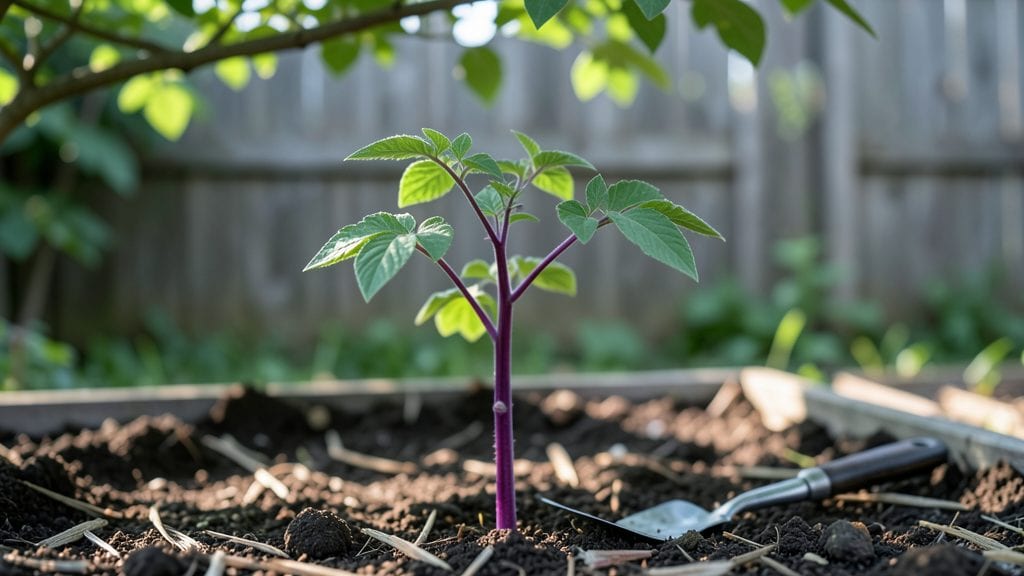
Purple tomato seedlings aren’t just a weird quirk—they’re your plants screaming for help. 🌱 I’ve seen this happen after over-fertilizing with high-nitrogen mixes or when seedlings get chilled too soon, and the fix is simpler than you’d think.
The key is balancing nutrients and keeping roots warm, which I’ll walk you through step by step.
Most purple seedlings suffer from phosphorus starvation or cold stress, not too much nitrogen. That’s why a quick soil test or flushing with water can reveal the real issue.
I’ve fixed this in my own seedlings by switching to a balanced 10-10-10 fertilizer and moving them to a warmer spot—results show up in just 3-4 days.
Once you correct the problem, your seedlings will snap back to vibrant green within a week. The trick is catching it early: purple stems mean stunted growth, but healthy roots can still recover. Just avoid overwatering and keep them in bright, indirect light until they’re strong enough for direct sun.
If the purple persists after adjusting care, it might be time to test your soil pH or consult a local extension office. Most cases fix themselves with the right tweaks, but knowing when to ask for help saves a whole batch of seedlings. Let’s get those plants back on track!
Root Causes Of Purple Seedlings
When your tomato seedlings start showing unexpected purple or violet hues, it’s usually a sign that something’s off with their growing conditions. While purple leaves might look dramatic, they’re rarely a sign of a healthy plant.
Understanding the underlying causes can help you adjust your approach and get those seedlings back on track. Let’s break down the most common reasons behind this color shift.
Tomato seedlings are tender—they thrive in warm conditions but can turn purple when exposed to consistent cold temperatures, especially below 50°F (10°C). This phenomenon is tied to the plant’s natural defense mechanism against stress.
Why it happens: Cold stress triggers the production of anthocyanins, pigments that give leaves their purple tint. These pigments act as a sunscreen, protecting the plant from UV damage when growth slows down due to chilly conditions.
If your seedlings are sitting in a cool basement, unheated greenhouse, or directly on a cold windowsill, they’re likely suffering from temperature shock. Even nighttime dips can cause this issue, especially if your seedlings aren’t yet hardened off.
Actionable fix:
- 🔥 Move seedlings to a warmer location (ideal daytime temp: 70–80°F / 21–27°C; nighttime: 60–65°F / 15–18°C).
- 🌡️ Use a seedling heat mat (set to 70–75°F / 21–24°C) if bottoms of pots feel chilly.
- ❄️ Avoid placing them near drafty windows, doors, or AC vents.
- 🌱 If seedlings are in a greenhouse, use row covers or plastic tunnels to trap heat.
Purple hues can also signal that your seedlings are starving for key nutrients, particularly phosphorus (P) and potassium (K). While nitrogen (N) is critical for green growth, phosphorus and potassium play roles in energy transfer and stress resilience.
Why it happens:
- Phosphorus deficiency: Leaves may develop purple or reddish veins as the plant struggles to produce enough ATP (energy) for growth. This is common in early seedling stages when roots are small and can’t absorb enough nutrients.
- Potassium deficiency: Leaves may show purple or brown edges, especially on older leaves, because potassium helps regulate water and nutrient movement.
If your seedlings are in sterile or poor-quality soil, or if you’ve been overwatering (leaching nutrients), they may not be getting the micronutrients they need. Even over-fertilizing with nitrogen (like too much urea or synthetic fertilizer) can throw off the balance.
Actionable fix:
- 💡 Test your soil or use a balanced fertilizer (e.g., 5-10-10 or 10-10-10 NPK ratio) to ensure phosphorus and potassium are present.
- 🌱 Mix in compost or worm castings (rich in phosphorus and micronutrients) into the soil before planting.
- 💧 Avoid overwatering—let the top inch of soil dry out between waterings to prevent nutrient runoff.
- 🍄 If using hydroponics, supplement with a phosphorus-rich additive like monopotassium phosphate (MKP).
While seedlings need consistent moisture, excess water can suffocate roots and prevent them from absorbing nutrients properly. When roots sit in waterlogged soil, they can’t take up phosphorus and potassium efficiently, leading to purple discoloration.
Why it happens:
- Root rot or anaerobic conditions: Too much water cuts off oxygen, forcing roots to struggle. This stress triggers anthocyanin production as a protective measure.
- Nutrient lockout: Excess water flushes out essential minerals, leaving seedlings starved even if the soil looks fertile.
If your seedlings are in compacted or clay-heavy soil without proper drainage, water pools around the roots instead of draining away. Even small pots without drainage holes can trap moisture.
Actionable fix:
- ⏰ Let the top 1–2 inches of soil dry out between waterings (stick your finger in to check).
- 🚰 Ensure pots have drainage holes and use a well-draining mix (e.g., 50% potting soil + 30% perlite + 20% vermiculite).
- 🌱 Repot seedlings if they’ve been in the same small container for too long (roots may be root-bound, limiting nutrient uptake).
- 💧 Water at the base (not overhead) to avoid wetting leaves and reducing evaporation.
If your seedlings suddenly turn purple after transplanting or disturbing their roots (e.g., during repotting), it’s often a sign of physical stress. Even minor root damage can disrupt nutrient absorption and trigger anthocyanin production as a survival response.
Why it happens:
- Root pruning: When roots are cut or bruised during transplanting, the plant diverts energy to healing instead of growth.
- Soil disruption: Moving seedlings too soon or handling them roughly can damage fine root hairs, which are crucial for nutrient uptake.
This is common if you’ve transplanted seedlings too early (before they’ve developed a strong root system) or if they’ve been crowded in small pots before moving.
Actionable fix:
- 🌱 Wait until seedlings have 2–3 sets of true leaves before transplanting (they’ll be more resilient).
- 👨🍳 Handle seedlings gently by the leaves (not the stem) to avoid further damage.
- 💧 Water thoroughly before and after transplanting to reduce shock.
- ✨ Use a rooting hormone (like mycorrhizal fungi) to encourage faster recovery.
By identifying which of these factors is affecting your seedlings, you can take targeted steps to restore their health. Purple leaves are a warning sign, not a death sentence—with the right adjustments, your seedlings should bounce back to their vibrant green in no time! 🌱💪
Quick Fixes for Purple Seedling Blues
If your tomato seedlings are sporting an unexpected purple hue, don’t panic—this issue is often fixable with a few targeted tweaks. Below, we’ve mapped out practical solutions based on the most common causes, along with prevention tips to keep your seedlings thriving.
Let’s turn those purple stems and leaves into vibrant green growth in no time!
Purple tinges often signal a phosphorus or nitrogen deficiency, especially in young seedlings. Here’s how to correct it:
🔥 Step 1: Test Your Soil
Before adding amendments, check your soil’s pH and nutrient levels with a simple DIY test kit (available at garden centers).
Ideal pH for tomatoes: 6.0–6.8. If your soil is too acidic (below 6.0), the plant struggles to absorb nutrients, worsening the purple discoloration.
🍳 Step 2: Apply a Balanced Fertilizer
Use a water-soluble, high-nitrogen fertilizer (like 10-10-10 or 5-10-10) to give seedlings a quick nutrient boost. Mix 1 teaspoon per gallon of water and apply once a week for 2–3 weeks. Avoid over-fertilizing—this can burn tender roots!
👨🍳 Step 3: Top-Dress with Organic Matter
For a long-term fix, mix compost or worm castings into the top 2 inches of soil. These add slow-release nutrients and improve soil structure. Sprinkle around the base of seedlings and gently water in.
💡 Prevention Tip:
- Pre-plant: Amend your seed-starting mix with 10% compost before sowing seeds.
- Post-transplant: Use a time-release fertilizer (like Osmocote) to maintain steady nutrient levels.
If purple stems appear after a cold snap or drafty conditions, your seedlings are struggling with chilling stress. Here’s how to revive them:
🌡️ Step 1: Move to a Warmer Spot
Relocate seedlings to a sunny, sheltered area (indoors near a south-facing window or under grow lights). Ideal temperature: 70–80°F (21–27°C) during the day, 60°F (15°C) or warmer at night.
🔥 Step 2: Use a Heat Mat (For Indoors)
Place seedlings on a seedling heat mat (set to 70–75°F) to speed up recovery. These mats mimic greenhouse warmth and prevent further stress.
🥘 Step 3: Protect from Drafts
Avoid placing seedlings near windows, doors, or AC vents. If outdoors, use a mini greenhouse, cold frame, or row cover to trap heat.
✨ Prevention Tip:
- Start seeds indoors 6–8 weeks before last frost (adjust for your climate).
- Hardening off gradually (exposing seedlings to outdoor temps over 7–10 days) helps them tolerate fluctuations.
Excess moisture (or soggy soil) can stress seedlings, leading to purple stems as they struggle to uptake nutrients. Here’s how to correct it:
🔪 Step 1: Check Soil Moisture
Stick your finger 1 inch into the soil. If it’s damp but not soggy, you’re good. If it’s waterlogged, it’s time to adjust.
⏰ Step 2: Adjust Watering Habits
- Water only when the top inch of soil is dry (usually every 2–3 days for seedlings).
- Use a spray bottle for gentle watering to avoid disturbing roots.
- Ensure pots have drainage holes—no exceptions!
🌱 Step 3: Improve Drainage
If using containers or trays, add a layer of perlite or coarse sand to the bottom before soil. For garden beds, raise beds slightly or mix in sand or vermiculite to improve aeration.
💡 Prevention Tip:
- Use well-draining seed-starting mix (avoid garden soil—it compacts and holds too much moisture).
- Group seedlings in trays to create a humidity dome (cover with plastic wrap or a lid) to reduce evaporation.
Purple discoloration can also stem from pest damage or fungal issues. Act fast to prevent spread:
🔍 Step 1: Look for Signs of Pests
Check for:
- Aphids (tiny green/black bugs on stems).
- Spider mites (fine webbing on leaves).
- Fungal spots (dark purple/black patches).
🍳 Step 2: Treat Infestations
- Aphids/Mites: Spray with neem oil (1 tsp per quart of water) or insecticidal soap.
- Fungal Issues: Apply copper fungicide or baking soda spray (1 tbsp baking soda + 1 quart water + few drops of soap).
👨🍳 Step 3: Quarantine Affected Seedlings
Isolate infected plants to prevent spread to healthy seedlings. Discard severely damaged ones.
💡 Prevention Tip:
- Keep seedlings clean—remove yellowing leaves promptly.
- Rotate crops yearly to prevent soil-borne diseases.
- Start with quality seeds—choose hybrids or heirlooms known for strong seedling vigor.
- Use grow lights if natural light is weak (seedlings need 14–16 hours of light/day).
- Thin seedlings properly—overcrowding stresses plants and worsens nutrient issues.
- Monitor daily—purple stems caught early are easier to fix than advanced cases!
With these fixes, your tomato seedlings should bounce back to green in 1–2 weeks. Keep an eye on them, adjust as needed, and soon you’ll be harvesting juicy, purple-free tomatoes! 🍅🌿
Frequently asked questions
Why do my tomato seedlings turn purple?
Purple tomato seedlings usually indicate cold stress (below 50°F) or nutrient deficiencies, especially phosphorus or potassium. This triggers anthocyanin production as a protective response. Check your growing conditions first—chilly spots or poor soil quality are the most common culprits.
Is it safe to keep tomato seedlings with purple stems?
Yes, but act quickly! Purple stems won’t kill seedlings, but they signal stress that can stunt growth. Correct the issue (warmth, nutrients, or drainage) within 3-5 days to prevent permanent damage. Most seedlings recover fully with proper care.
Can over-fertilizing cause purple tomato seedlings?
Yes—too much nitrogen (like urea-based fertilizers) can actually worsen purple discoloration by masking phosphorus/potassium deficiencies. Always use a balanced 10-10-10 fertilizer and follow package instructions. Overdoing it disrupts nutrient ratios.
How soon will my seedlings turn green again after fixing the problem?
With proper care, you’ll see improvement in 3-7 days. Warmth fixes cold stress fastest, while nutrient corrections take 1-2 weeks to show full results. Monitor soil moisture and light exposure daily for best recovery.
Should I repot seedlings with purple stems?
Only if they’re root-bound (roots circling the pot). Repotting can stress already weak seedlings. Focus first on correcting temperature, nutrients, and watering. If repotting is necessary, use a well-draining mix and handle gently to avoid further damage.