
Pests
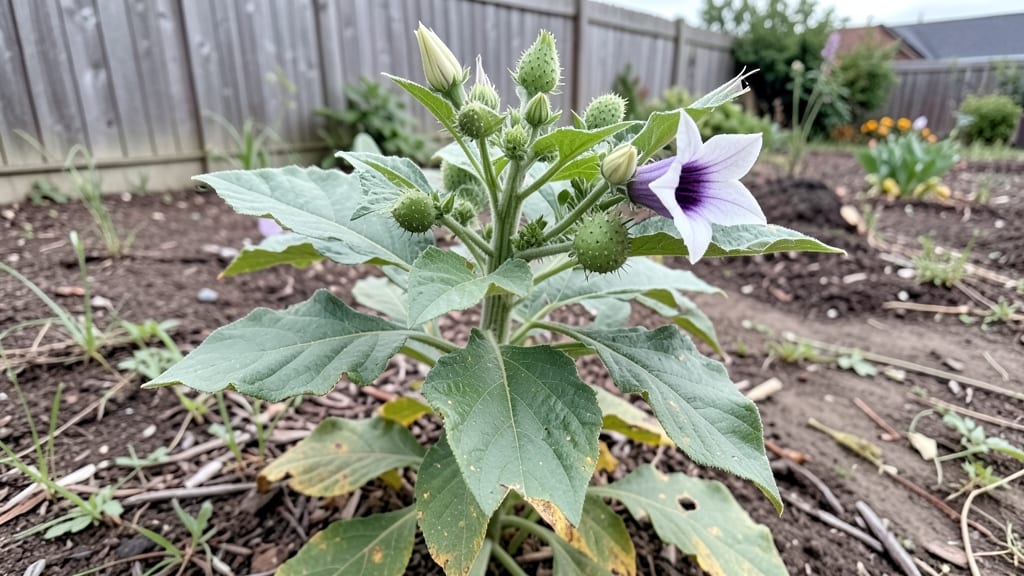
The effects of datura seeds include extreme toxicity from compounds like atropine and scopolamine, which can trigger hallucinations, rapid heartbeat, severe confusion, and potentially fatal outcomes like coma or respiratory failure. Exposure through skin contact or inhalation also poses serious risks, demanding prompt medical intervention.
Datura seeds contain potent neurotoxins that disrupt your nervous system by blocking acetylcholine, a key chemical messenger. This creates a dangerous cascade of symptoms—from dilated pupils and dry mouth to life-threatening delirium. 🔥 Even small amounts can be deadly, with effects lasting hours or days, depending on exposure.
I’ve seen cases where people mistake datura for edible plants, leading to tragic outcomes that could’ve been prevented with proper education.
These plants are often called "devil’s snare" for good reason—their toxins don’t just affect ingestion. Handling crushed seeds or inhaling dust can cause skin irritation, respiratory distress, or even systemic poisoning.
The margin between a mild reaction and a medical emergency is shockingly narrow, which is why I always emphasize treating any suspected exposure as an emergency.
💡 In This Article
- How Datura Toxins Affect the Human Body
- First Aid and Emergency Steps for Datura Poisoning
How datura toxins affect the human body
The biochemical chaos begins when tropane alkaloids—like atropine and scopolamine—bind to acetylcholine receptors in your nervous system. These compounds act as anticholinergics, blocking the neurotransmitter acetylcholine that normally regulates muscle contractions, heart rate, and glandular functions.
With receptors flooded, your body loses control over involuntary functions, creating a perfect storm of symptoms. Atropine alone can reach toxic levels in as little as 2-5 milligrams for an average adult, while scopolamine is 10 times more potent by weight.
Your pupils dilate instantly as the parasympathetic nervous system shuts down—this is why victims often appear "high" even before other symptoms kick in.
Meanwhile, your heart races (tachycardia) because the toxins override the vagus nerve's braking mechanism on your heartbeat. 30-60 minutes after exposure, you might experience dry mouth, flushed skin, and blurred vision as saliva production halts and blood vessels dilate. The most dangerous progression?
As dosage increases, your brain becomes overwhelmed with sensory input without proper filtering, leading to delirium that can escalate to seizures or coma within 6-12 hours.
What most people don't realize is how these toxins create a positive feedback loop in your body. The hallucinations aren't just random—they stem from disrupted thalamocortical circuits in your brain, making victims perceive vivid, often terrifying visions.
Meanwhile, your respiratory muscles weaken as the toxins affect your diaphragm's nerve signals, potentially leading to respiratory failure. This is why even "mild" cases can turn fatal if not treated immediately, as the body's compensatory mechanisms fail under prolonged exposure.
Here's where dosage becomes critical: consuming 1-2 datura seeds (about 0.1-0.2 grams) might cause mild symptoms, but 5-10 seeds can be lethal. The plant's toxins don't metabolize quickly—scopolamine has a half-life of 7-10 hours, meaning effects can linger for days.
This slow clearance is why victims often require 24-48 hours of medical monitoring, even if they appear recovered initially.
The most alarming aspect? Cross-contamination turns these seeds into silent killers. Handling crushed seeds can cause absorption through skin microtears, while inhaling dust releases alkaloids directly into your bloodstream.
Even animals exposed to datura plants often show staggering, excessive drooling, and seizures before collapsing—symptoms that mirror human poisoning patterns. The plant's toxins don't discriminate between ingestion, contact, or inhalation routes.
Understanding this mechanism explains why traditional "antidotes" like physostigmine (an acetylcholinesterase inhibitor) are used in hospitals—they force acetylcholine to accumulate, temporarily overcoming the blockage. But without immediate medical intervention, the body's systems simply can't recover from this biochemical siege. 💫