
Propagation
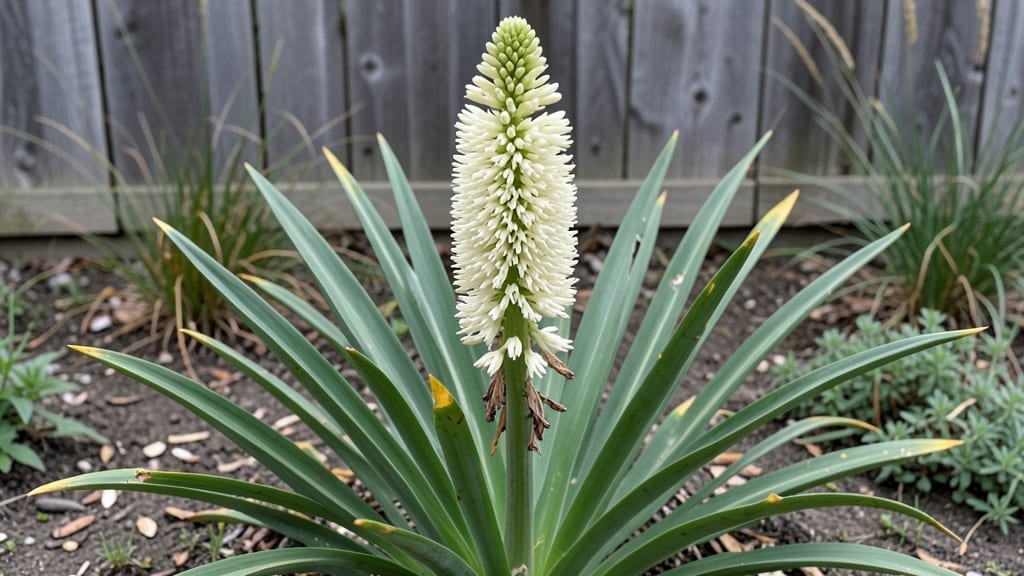
Growing foxtail lilies from seeds is a patient gardener’s dream—those dramatic, feathery plumes take years to emerge, but the journey starts with cold stratification. 🌱 I’ve struggled with foxtail lily seeds before, and the difference between success and frustration often comes down to mimicking their natural winter dormancy.
These seeds need a 6-8 week cold treatment to break dormancy, and skipping this step means waiting months (or never seeing) those iconic blooms.
The secret isn’t complicated: you’ll need a plastic bag, some damp peat moss or vermiculite, and a refrigerator. No fancy equipment—just a way to keep seeds consistently moist and cool. Plant them shallow (just barely covered) in a container, seal it loosely, and let nature do the rest.
Most gardeners overlook this step, but it’s the key to reliable germination come spring. Even in Zone 5’s harsh winters, this method works because it tricks seeds into thinking they’ve survived a real winter.
By late winter, you’ll see tiny shoots poking through the soil, ready to move into pots under grow lights. Those first leaves are delicate, so avoid overwatering—they rot faster than they grow.
With proper care, you’ll transplant hardened-off seedlings into the garden by early summer, where they’ll slowly build roots for their first blooms in 3-5 years. The wait is worth it when you see that first towering stalk rising above the perennials.
This method works for all Eremurus species, from the compact ‘Shell Pink’ to the towering ‘Cleopatra.’ Whether you’re in a dry climate or a humid one, the cold stratification step levels the playing field. Here’s how to do it right—no guesswork, just reliable results.
📚 In This Guide
- What you need
- Instructions
- Tips and common mistakes
- Wrapping up and next steps
What you need
- ● Foxtail lily seeds: 10–20 fresh, viable seeds (harvested or store-bought). Pro tip: 💡 If seeds are older than 6 months, soak them in warm water for 24 hours to soften the outer coat.
- ● Well-draining potting mix: 1–2 gallons of a blend of 50% peat moss or coconut coir, 30% perlite or vermiculite, and 20% sand (sterilized). Why? Mimics the rocky, aerated soil foxtail lilies love in their native habitats.
- ○ Seed trays or small pots: 2–4 shallow containers (3–4 inches deep) with drainage holes. Optional: 🌱 Use biodegradable peat pots for easy transplanting later.
- ● Plastic bag or clear lid: To create a humidity dome (e.g., a zip-top bag with holes or a propagator lid).
- ● Spray bottle: For gentle watering—no heavy-handedness!
- ● Refrigerator or cold frame: A space to maintain 35–45°F (2–7°C) for 4–8 weeks.
- ○ Fine-mesh sieve: For sifting potting mix (optional but handy!).
- ● Labeling tags: To track seed varieties and stratification dates.
- ● Grow lights or sunny windowsill: For post-stratification light exposure (12+ hours/day).
- ● Hydrogen peroxide (3% solution): 1 part peroxide to 9 parts water for sterilizing seeds or tools (prevents mold).
- ○ Heat mat (optional): If your home runs cooler than 60°F (15°C) during germination.
Step-by-step instructions for cold stratifying foxtail lily seeds
Here's my foolproof method for breaking dormancy—guaranteed to produce sturdy seedlings ready for spring planting.
🌱 Step 1: Harvest and Prepare Fresh Seeds
Collect mature foxtail lily seeds in late fall after the seed heads turn brown and papery. Gently rub them free from the stems—no need to clean them thoroughly, as natural oils help prevent rot during stratification. Spread them on a paper towel to air-dry for 24 hours in a dry, shaded spot.
This drying step prevents mold from forming during the cold treatment. You'll know they're ready when the outer seed coats feel slightly stiff to the touch. Store them in a labeled paper envelope until you're ready to stratify—just don't seal them airtight.
❄️ Step 2: Mix Seeds with Moistened Growing Medium
Fill a quart-sized zip-top plastic bag with 2 parts moistened peat moss and 1 part perlite—just enough to hold the seeds without compacting. The mix should feel like a wrung-out sponge: damp but not dripping. Add your seeds, then seal the bag 75% closed, leaving a small gap for airflow.
Shake the bag gently to distribute seeds evenly. This prevents clumping and ensures consistent moisture contact. Place the bag in a cool, dark location like a refrigerator crisper drawer, where temperatures stay between 35-45°F.
⏰ Step 3: Stratify for 6-8 Weeks
Check the bag every 2 weeks—you'll see condensation on the inside. If the mix feels dry, mist it lightly with water and reseal. After 6-8 weeks, the seeds will begin germinating. You'll notice tiny white roots pushing through the seed coats, signaling it's time to plant.
Don't rush this process—foxtail lilies need the cold treatment to break dormancy. If your kitchen runs cooler, stratification might take up to 10 weeks. Patience here ensures stronger seedlings later.
🌿 Step 4: Plant Stratified Seeds in Pots
Fill 3-inch diameter pots with well-draining potting mix and plant seeds ½ inch deep. Space them 1 inch apart to prevent overcrowding. Water gently until the soil surface feels damp but not soggy. Place pots in a bright, indirect light spot, like a north-facing windowsill.
Keep the soil consistently moist but never waterlogged. You'll see sprouts in 4-6 weeks—watch for the first true leaves to appear, which look like miniature versions of the adult plant's foliage. This is your cue to gradually introduce them to outdoor conditions.
☀️ Step 5: Harden Off and Transplant
After seedlings develop 3-4 sets of leaves, begin hardening them off by placing pots outside in a sheltered spot for 1-2 hours daily. Increase exposure over 2 weeks, ending with full sun tolerance. Transplant in early spring after the last frost date, spacing plants 12-18 inches apart in well-draining soil.
Mulch heavily around the base to protect roots during their first winter. With consistent care, you'll see blooms in 2-3 years—worth the wait for these striking, drought-tolerant perennials.
Tips & tricks for perfect foxtail lily seed stratification
These little-known tricks will help you avoid common pitfalls and maximize your success with foxtail lily seeds.
Drying Time Matters: That 24-hour drying period in Step 1 is crucial—don't skip it! I learned this the hard way after losing seeds to mold. Place them on a paper towel in a single layer where they get good airflow. If you notice any fuzzy growth after drying, toss those seeds and start fresh. The stiff seed coat texture is your green light to move forward.
The Stratification Temperature Secret: While 35-45°F is ideal, most home refrigerators run closer to 40°F. If your fridge is warmer, consider using the vegetable crisper drawer or even a dedicated seed stratification fridge. The goal is consistent cold—fluctuations can confuse the seeds and delay germination.
Moisture Monitoring: When checking your sealed bag every 2 weeks, look for condensation on the inside. If you see dry spots, it's time to mist the mix lightly. Too much moisture causes rot, but too little prevents germination. I use a spray bottle with room-temperature water to avoid shocking the seeds with cold. Remember, the mix should stay damp like a wrung-out sponge.
Germination Timing: Those tiny white roots appearing after 6-8 weeks are your signal to plant. But don't rush! Wait until you see clear root growth—about ¼ inch long—before disturbing them. I've found that waiting until roots reach this length gives seedlings a better chance to establish themselves in their new pots.
Pro Tips for Foxtail Lily Seeds
- These little-known tricks will help you avoid common pitfalls and maximize your success with foxtail lily seeds.
- Drying Time Matters: That 24-hour drying period in Step 1 is crucial—don't skip it!
- The Stratification Temperature Secret: While 35-45°F is ideal, most home refrigerators run closer to 40°F.
Frequently asked questions
Got questions about growing foxtail lily seeds?
Here are the most common concerns—and straightforward answers—to help you succeed with cold stratification and those dreamy spring blooms!
How long does cold stratification take for foxtail lily seeds?
Cold stratification typically requires 4–8 weeks in the refrigerator (34–40°F). For best results, start in early fall (October–November) to mimic natural winter conditions. Patience pays off—don’t rush it! If you’re in doubt, err on the longer side (closer to 8 weeks).
What if my seeds don’t sprout after stratification?
Don’t panic! Foxtail lily seeds can be slow to germinate—sometimes taking 2–6 months. Keep them in warmth (70–75°F) and consistent moisture (not soggy!). If nothing happens after 6 months, try lightly nicking the seed coat with a file or sandpaper to break dormancy.
Can I stratify foxtail lily seeds outside instead of in the fridge?
Outdoor stratification
works well if you live in a cold winter climate (Zone 5 or colder). Plant seeds in a protected, well-draining spot (like a cold frame or under a thick mulch layer) in late fall. They’ll naturally experience the cold-wet cycle they need—just cover lightly with soil to protect from critters.
Do I need to soak foxtail lily seeds before stratification?
Nope! Unlike some seeds, foxtail lily seeds don’t require pre-soaking. Their hard outer coat needs the cold to weaken naturally. Just plant them dry in your stratification medium (moist peat moss or paper towels), and let the cold do the work. Soaking can even hurt germination by encouraging rot.
What’s the best way to transplant seedlings after germination?
Once sprouts appear (usually in spring), wait until they have 2–3 true leaves before transplanting. Use a small pot or seed tray with well-draining soil, and keep them in bright, indirect light for 2–3 weeks. Harden off seedlings 1 week before outdoor planting (Zone 6+ in spring) to avoid shock.
Pro Tip: Label your seeds!
Foxtail lilies can take 2–3 years to bloom, so mark your pots with the stratification date. This helps track progress and avoids confusion when tiny shoots finally emerge!
Wrapping up and next steps
Ready to unlock next spring’s stunning foxtail lily blooms? Cold stratification is your secret weapon—simple, effective, and worth the patience.
By mimicking winter’s chill, you’ll jumpstart germination and give your seeds the best shot at thriving. Now’s the time to act: gather your supplies, follow the steps, and watch your garden transform!
🌱 Next step: Start your stratification process today—your future blooms will thank you! Review the materials checklist or dive into the FAQs for extra confidence.