Propagation
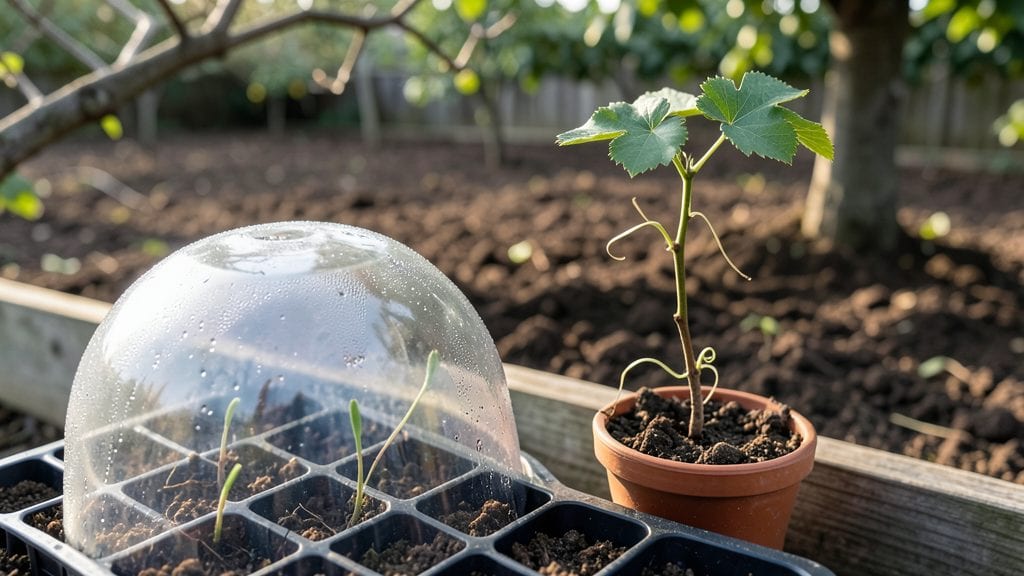
Germinating grape seeds might sound like a gamble, but with the right soak, chill, and warmth trick, you'll see those first green shoots in just 2-4 weeks. 🌱 I’ve turned store-bought grape seeds into sturdy vines by mimicking nature’s timing—breaking dormancy first, then coaxing them awake.
The key isn’t luck; it’s understanding what grape seeds actually need to trust the process.
You’ll need a few simple supplies: a jar for soaking, damp paper towels or peat moss for stratification, and a warm spot (or even a refrigerator) to play Mother Nature. No fancy equipment—just patience and the right balance of moisture and temperature.
Most seeds need 30-60 days of cold treatment before they’ll even think about sprouting, but once they do, the progress is shockingly fast.
Watch as tiny roots break through the soil, then those first pale leaves unfurl toward the light—proof you’ve cracked the code. These seedlings won’t fruit for years, but the thrill of growing something from a single seed?
That’s the real reward. With proper care, you’ll have healthy, vigorous vines ready for transplanting by spring.
Works just as well indoors near a sunny window or outdoors in a protected microclimate. The same principles apply whether you’re starting a collection or just experimenting. Here’s how to make every seed count—no wasted effort, just reliable growth.
📚 In This Guide
- What you need
- Instructions
- Tips and common mistakes
- Wrapping up and next steps
What you need
- ● Grape seeds: Fresh, organic seeds from ripe grapes (aim for 10–20 seeds for best results). (Pro tip: 💡 Save seeds from heirloom or wine grapes—they’re often more viable!)
- ● Water: Room-temperature, filtered or distilled water (2–3 cups for soaking). Avoid tap water if it’s heavily chlorinated.
- ● Containers: Small glass jars (8 oz, with lids) or plastic cups (for soaking).
- ● Seed-starting trays or small pots (3–4 inches deep) with drainage holes.
- ● Growing medium: Seed-starting mix (sterile, peat-free if possible) or a blend of 50% perlite + 50% coconut coir.
- ● Plastic wrap or humidity dome: To retain moisture during germination.
- ○ Spray bottle: For gentle watering (optional but helpful for maintaining humidity).
- ● Fine-mesh strainer or paper towels: To rinse seeds during soaking.
- ○ Heat mat (optional): Keeps soil warm (70–80°F) to speed up germination.
- ● Grow lights or sunny windowsill: Bright, indirect light for seedlings (12–16 hours/day).
- ● Fertilizer: Balanced liquid fertilizer (5-5-5) (diluted to half-strength) once sprouts emerge.
- ● Labels & markers: To track seed varieties and planting dates!
- ● Patience: Germination can take 2–6 weeks—stay consistent!
- ● Warmth: Ideal germination temp is 70–85°F (use a sunny spot or heat source).
- ● Space: Seedlings need at least 6 inches of vertical space to grow before transplanting.
Step-by-Step instructions for germinating grape seeds
Here’s how to break dormancy and coax those stubborn grape seeds into vigorous vines.
🌱 Step 1: Extract and Soak Seeds for 24 Hours
Start by carefully removing seeds from fresh grapes—avoid fermented or overripe fruit, as it can introduce mold. Place the seeds in a small bowl and cover them with lukewarm water for 24 hours. This softens the hard outer shell, which is critical for moisture penetration. I like to use a mesh bag or cheesecloth to keep seeds contained while soaking.
After soaking, drain the water and gently rub the seeds between your fingers to remove any remaining pulp. This step ensures clean seeds that won’t rot during stratification. If you see any seeds floating, discard them—they’re likely hollow or damaged.
💧 Step 2: Stratify Seeds in Moist Sand or Vermiculite
Fill a small container with a mix of equal parts moist sand and perlite (or use vermiculite alone if you prefer). Plant the soaked seeds about 1 inch deep and cover them lightly with the same mix. The goal is to mimic winter’s natural chilling process, which grape seeds require to break dormancy.
Place the container in a plastic bag and seal it loosely to retain humidity. Store it in your refrigerator’s crisper drawer, where temperatures hover around 35-40°F. Check the mix every 7-10 days—it should stay damp but not soggy. If it dries out, mist lightly with water. This stratification period lasts 6-8 weeks.
☀️ Step 3: Transition to Warmth and Light for Germination
After stratification, remove the container from the fridge and place it in a warm, bright spot—ideally near a south-facing window or under a grow light set to 14-16 hours of light daily. Keep the sand or vermiculite mix consistently moist by misting it every 2-3 days. Germination typically begins in 1-3 weeks, but some seeds may take longer.
When sprouts emerge, they’ll push through the soil with a tiny white root followed by a curled shoot. This is your cue to transplant them individually into 2-inch pots filled with seed-starting mix. Handle them gently—grape seedlings are delicate and prone to damage.
🌿 Step 4: Nurture Seedlings for Strong Growth
Once seedlings have 2-3 true leaves, move them to slightly larger pots (3-4 inches wide) with a mix of 50% potting soil and 50% perlite to prevent root rot. Place them under bright, indirect light for the first week to avoid shock. After that, gradually introduce 4-6 hours of direct sunlight daily to harden them.
Water the seedlings when the top inch of soil feels dry, but avoid overwatering—grape vines despise soggy roots. Fertilize lightly with a balanced, water-soluble fertilizer (10-10-10) diluted to half-strength every 4 weeks. You’ll know they’re thriving when new leaves appear regularly and stems thicken.
⏰ Step 5: Prepare for Outdoors After 8-10 Weeks
By 8-10 weeks, your seedlings should be 6-12 inches tall with a sturdy stem. Before transplanting outside, harden them off by placing them in a sheltered spot for 1 hour the first day, gradually increasing exposure over 10-14 days. Choose a location with full sun (6+ hours daily) and well-draining soil.
Plant seedlings 12-18 inches apart in a trench, burying the stem up to the first set of leaves to encourage root development. Mulch with 2-3 inches of organic matter to retain moisture and suppress weeds. Patience is key—grape vines grow slowly at first, but with consistent care, they’ll reward you with healthy, productive plants in 3-5 years.
Tips & tricks for perfect grape seed germination
A few strategic moves will help you bypass the most common pitfalls and maximize your success rate with grape seed germination.
The Soaking Secret: After the 24-hour soak in Step 1, don't be tempted to rush the process. The critical 24 hours softens the seed coat just enough to allow moisture penetration without over-saturating the seed. I've found that using lukewarm water (around 90°F) creates a more hospitable environment than cold water, which can shock the seeds. If you notice any seeds floating during this process, they're likely non-viable—discard them immediately to prevent potential mold contamination in your stratification mix.
Stratification Strategy: The 6-8 week stratification period at 35-40°F is non-negotiable for grape seeds. I recommend placing your container in a plastic bag with a few small holes for airflow—this creates a humid microclimate that mimics natural winter conditions. Check the moisture level every 7-10 days by pressing your finger into the mix; it should feel like a damp sponge, not a dripping wet rag. Overwatering at this stage is the #1 reason for seed rot during stratification.
Light Transition Tip: When moving your seeds from the fridge to warmth in Step 3, don't rush the 14-16 hour light exposure. Grape seedlings are particularly sensitive to light shock, so I recommend gradually increasing light exposure over 3-4 days. Start with 2-3 hours of indirect light on day one, then increase by 2 hours daily until reaching the full 14-16 hours. This gradual transition prevents the seedlings from developing weak, leggy stems that can't support themselves.
Seedling Care: Once you see those first true leaves in Step 4, resist the urge to fertilize immediately. The seedlings need to establish their root systems first—wait until you see consistent new leaf growth before introducing that diluted 10-10-10 fertilizer. I've had the best success using a spray bottle for watering at this stage; it delivers moisture precisely where the seedlings need it without disturbing the delicate root systems.
Pro Tips for Germinate Grape Seeds
- A few strategic moves will help you bypass the most common pitfalls and maximize your success rate with grape seed germination.
- The Soaking Secret: After the 24-hour soak in Step 1, don't be tempted to rush the process.
- Stratification Strategy: The 6-8 week stratification period at 35-40°F is non-negotiable for grape seeds.
Frequently asked questions
Got questions about germinating grape seeds?
You’re not alone! Here are answers to the most common queries—so you can grow confidently and avoid pitfalls along the way.
How long does it take for grape seeds to germinate?
Most grape seeds sprout within 2 to 4 weeks under ideal conditions (warmth, moisture, and darkness). Patience is key—some stubborn seeds may take up to 6 weeks. If you’ve waited 8 weeks with no sprouts, the seeds may not be viable. Try a fresh batch!
Do I need to soak grape seeds before planting?
Yes! Soaking seeds for 24 to 48 hours in water softens the hard outer shell, speeding up germination. For faster results, use lukewarm water and change it daily. Skip soaking only if your seeds are already soft or pre-sprouted.
What’s the best temperature for germinating grape seeds?
Grape seeds thrive in 70–85°F (21–29°C). Use a seedling heat mat if your home runs cooler. Avoid extremes—below 60°F (15°C) slows growth, while above 90°F (32°C) can kill sprouts. A sunny windowsill or grow light works well!
Can I grow grape seeds indoors, or do they need outdoor soil?
Start indoors in potting mix or a damp paper towel for sprouting. Once seedlings have 2–3 leaves, transplant them to outdoor pots or garden beds (after the last frost). Grape vines need full sun (6+ hours/day), so plan ahead for their eventual outdoor move!
Why aren’t my grape seeds sprouting? Troubleshooting tips.
Hard seeds?
Try sanding the shell lightly with fine-grit paper or soaking in hydrogen peroxide (3%) for 12 hours to break dormancy.
Moldy or rotten?
Overwatering or poor drainage causes this. Let seeds dry slightly between waterings.
No sprouts after 6 weeks?
Test viability by cutting open a seed—if it’s hollow or discolored, replace with fresh seeds.
Leggy or weak sprouts?
Provide bright, indirect light (not direct sun) until transplanting.
Bonus Tip: How to speed up germination?
Combine these tricks for faster results:
- Soak seeds in warm water with a pinch of honey or cinnamon (natural fungicides).
- Use a seedling heat mat (75–80°F) to mimic spring warmth.
- Plant seeds shallowly (½ inch deep) in moist, sterile soil.
- Cover the tray with plastic wrap to retain humidity (remove once sprouts appear).
Wrapping up and next steps
Germinating grape seeds is a rewarding journey that connects you to nature’s cycle—turning tiny seeds into thriving vines with patience and care! 🌱 By mastering the soak, chill, and sprout steps, you’ve unlocked the potential to grow your own grape plants, whether for ornamental beauty or future harvests.
The key? Consistency in moisture, temperature, and light—your green thumbs will thank you later.
Ready to watch those sprouts stretch toward the sun? Start small: Try a few seeds in a controlled environment before scaling up. And if you hit a snag? Revisit our FAQs or experiment—every gardener learns by doing! 🌟 Happy growing!