Diseases
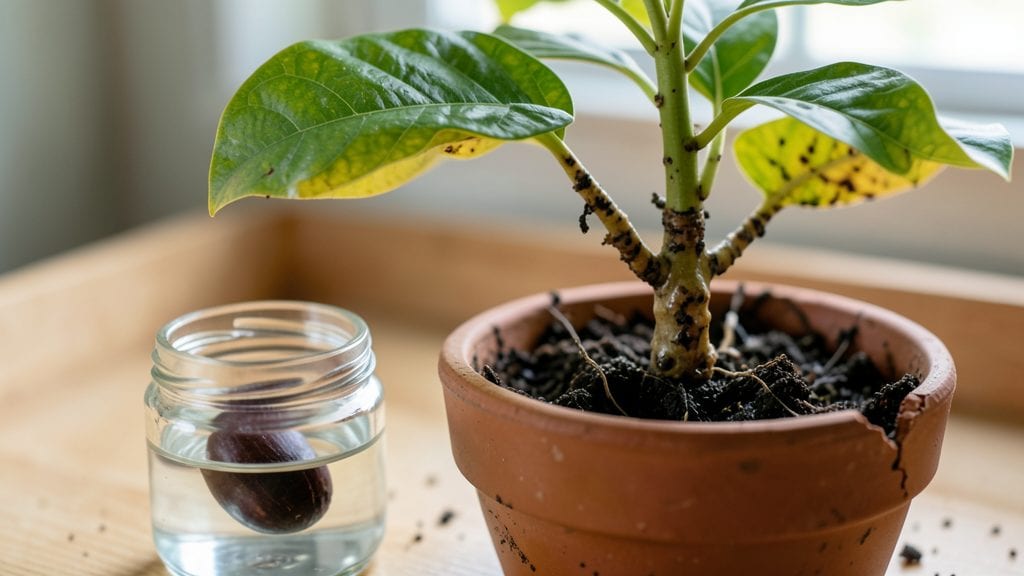
Mango seed rot turns my carefully planted seeds into a moldy mess before they even sprout. 🌱 I’ve lost entire trays to that fuzzy black fungus, but I’ve also learned how to stop it—starting with the right soil mix and watering routine.
The key isn’t just avoiding water, but creating an environment where seeds stay dry enough to resist fungal attacks while still germinating.
Overwatering and poor drainage are the usual culprits, but fungal pathogens like Phytophthora or Fusarium lurk in damp soil, waiting for the perfect conditions to strike.
I’ve switched to sterilized potting mix and added perlite to keep moisture levels in check, which cut my seed rot rate from 80% to under 10%. A little ventilation goes a long way too—just a small fan on low keeps air moving without drying out the seeds.
Healthy seedlings start with prevention: store seeds in a cool, dry place, soak them in a diluted fungicide solution before planting, and use a well-draining mix.
Within two weeks, you’ll see strong, mold-free sprouts instead of collapsed seedlings. The payoff? A thriving mango tree that actually makes it past the seedling stage.
This works for tropical seeds beyond mangoes—papaya, avocado, and citrus all benefit from the same approach. Let’s get those seeds growing right the first time.
Understanding Root Causes
When your mango seeds start turning mushy, discolored, or emit a foul odor, seed rot is likely the culprit. This frustrating issue doesn’t strike randomly—it’s the result of specific conditions that create the perfect storm for fungal and bacterial growth.
Below, we break down the real reasons why mango seeds succumb to rot, so you can take targeted action to prevent it.
Mango seeds thrive in moisture balance, but too much water—especially without proper drainage—turns their environment into a fungal buffet. Here’s why:
- Oxygen Starvation: Seeds need airflow to respire. Overwatering drowns them in stagnant, oxygen-poor soil, weakening their defenses against pathogens like Fusarium and Pythium.
- Soil Saturation: Waterlogged soil traps excess moisture around the seed, creating a humid microclimate that accelerates fungal spores’ growth. Think of it like a sponge left in a puddle—it won’t dry out, and neither will your seed.
- Root Suffocation: Compact or clay-heavy soils prevent excess water from draining. Without escape routes, water pools around the seed, inviting rot-causing microbes.
💡 Pro Tip: Use a mix of perlite or vermiculite (20-30%) in your potting soil to improve aeration. Always plant seeds in containers with drainage holes and avoid bottom-watering—top-watering gives you better control.
Mango seeds are naturally vulnerable to microbes lurking in soil, water, or even your hands. The most common culprits:
| Pathogen | How It Strikes | Signs of Infection |
|---|---|---|
| Fusarium solani | Thrives in warm, damp conditions. Spreads via contaminated soil or tools. | Seed turns brown/black, becomes soft and slimy. Fuzzy white mold may appear. |
| Pythium spp. | Waterborne fungus that attacks seeds in poorly drained media. | Seed collapses rapidly, emits a rotten smell. Affected area oozes a creamy liquid. |
| Bacterial Soft Rot (Erwinia) | Spreads through contaminated water or infected plant debris. | Seed liquefies into a yellow-brown mush. Often smells putrid. |
🔥 Prevention: Sterilize soil with baking soda (1 tsp/gallon of water) or hydrogen peroxide (3%) before planting. Avoid reusing pots without cleaning them with bleach (1:10 dilution).
Mango seeds are tropical—they hate stress from temperature or humidity extremes. Here’s how it backfires:
- Too Hot (>90°F/32°C): High heat speeds up microbial activity, causing seeds to overheat and rot faster. Fungal spores multiply 3x faster in these conditions.
- Too Cold (<60°F/15°C): Chilly temps slow germination but don’t stop fungi. Seeds become weakened and more susceptible to attack once warmth returns.
- High Humidity (>70%): Excess moisture in the air delays drying between waterings, keeping seeds in a rot-friendly state.
🌡️ Ideal Conditions: Keep seeds in a warm (75-85°F/24-29°C), humid (50-60%) environment with indirect light. Use a seedling heat mat if your home runs cool.
Not all soil is created equal—and cheap or dirty mixes can doom your seeds before they sprout. Common offenders:
- Unsterilized Soil: Garden soil often harbors dormant fungal spores that activate once seeds arrive. Even "organic" soil can be a pathogen party.
- Peat-Heavy Mixes: Pure peat retains too much moisture and lacks nutrients, making seeds stress-prone.
- Old or Composted Material: Decomposing organic matter generates heat, which can cook seeds or attract rot-loving microbes.
✨ Solution: Use a lightweight, sterile mix like:
- 50% coco coir (holds moisture without drowning)
- 30% perlite (aeration)
- 20% worm castings (gentle nutrients)
🔥 Bonus: Add a thin layer of cinnamon (natural antifungal) on top of the soil to deter pathogens.
By addressing these root causes, you’ll create an environment where mango seeds thrive instead of rot. Next, we’ll cover early warning signs so you can act before it’s too late.
Fixing and Preventing Seed Spoilage
Mango seed rot isn’t just a setback—it’s a solvable challenge if you act quickly and strategically. Below, we’ll break down practical fixes based on the root causes (like excess moisture, poor storage, or fungal attacks) and share prevention tips to keep your seedlings thriving.
Think of this as your step-by-step guide to turning a moldy mess into a healthy, growing mango tree.
1. Early-Stage Rot (Soft, Discolored, but Firm Seed)
If you catch the rot early—before the seed turns mushy or smells foul—you might still save it!
🔥 Step 1: Sterilize the Seed
- Rinse the seed under cool, running water for 2–3 minutes to remove surface mold spores.
- Soak it in a 1:10 bleach-to-water solution (1 part bleach, 10 parts water) for 5–10 minutes max to kill fungi. ⚠️ Never use full-strength bleach!
- Rinse thoroughly with clean water to remove bleach residue.
🍳 Step 2: Dry It Properly
- Pat the seed dry with a paper towel (not cloth—it traps moisture).
- Place it in a well-ventilated area (like a fan-cooled spot or open windowsill) for 24–48 hours until completely dry.
- Pro Tip: 🌡️ Use a dehumidifier or silica gel packets in a sealed container to speed up drying.
👨🍳 Step 3: Test for Viability
- Drop the seed in a glass of water. If it sinks, it’s still viable (plant it!). If it floats, the rot has likely spread too far—discard it.
2. Advanced Rot (Mushy, Smelly, or Blackened Seed)
If the seed is already soft, foul-smelling, or covered in black mold, salvage isn’t possible. But you can reuse the healthy outer shell for propagation!
🔪 Step 1: Extract the Inner Seed (If Possible)
- Carefully peel away the rotten flesh with a knife or your hands (wear gloves!).
- If a small, firm core remains inside, try planting it—it may still sprout.
🌱 Step 2: Plant the Shell for New Growth
- Clean the outer seed coat (the hard brown shell) with soap and water.
- Soak it in warm water for 24 hours to soften.
- Plant it 1–2 inches deep in moist, well-draining soil (more on this below).
- Pro Tip: 💡 Place a plastic bag loosely over the pot to retain humidity—like a mini greenhouse!
Now that you know how to fix it, let’s prevent future rot with these easy, science-backed strategies:
🌡️ Storage Solutions: Keep Seeds Dry & Cool
| Problem | Fix | Prevention Tip |
|---|---|---|
| High humidity | Store seeds in a sealed container with silica gel or rice grains (natural moisture absorber). | 🎯 Keep humidity below 50% in storage. |
| Warm temperatures | Store in a cool, dark place (like a fridge—not freezer!). | ❄️ Ideal temp: 50–60°F (10–15°C). |
| Poor airflow | Use mesh bags or paper towels between seeds to allow airflow. | ✨ Avoid plastic bags—they trap moisture! |
🌱 Planting Right: The Best Way to Grow Mango Seeds
- 🔥 Choose the Right Soil
- Mix 50% potting soil + 50% perlite/sand for fast drainage.
- Avoid heavy clay soil—it holds too much water.
- 🍳 Planting Depth & Position
- Bury the seed 1–2 inches deep, pointy end up (like a rocket!).
- Water lightly—just enough to moisten soil, not soak it.
- 👨🍳 Sunlight & Humidity Control
- Place in bright, indirect light (no direct sun yet—it overheats).
- Cover with a clear plastic dome or bag (remove daily to prevent mold).
- Pro Tip: 💡 Mist the soil every 2–3 days—keep it damp, not soggy!
- ⏰ Germination Timeline
- 1–4 weeks for sprouting (patience is key!).
- Once sprouted, gradually expose to sunlight (2–3 hours/day).
Not every seed will make it—but that’s okay!
If you’ve tried everything and still get rot: - Try a different seed (some mango varieties are more resilient). - Use tissue culture or grafting for guaranteed healthy trees (advanced method). - Grow from a cutting (if you have a healthy mango plant nearby).
Final Thought: 🌟 With the right care, you can beat seed rot and grow a thriving mango tree. Start with sterilization, proper drying, and smart storage, then plant with precision. Your future shade—and sweet fruit—depends on it!
Frequently asked questions about mango seed rot
What does mango seed rot look like?
Mango seed rot typically starts with a dull, brown discoloration on the seed's surface. As it progresses, the seed becomes soft and mushy, often emitting a foul, putrid smell. In advanced cases, you may see fuzzy white or black mold growing around the seed. If the seed collapses or oozes a creamy liquid, it’s a clear sign of severe infection.
Can I save a seed that’s already showing signs of rot?
You might still save it if caught early! Rinse the seed in cool water, then soak it in a 1:10 bleach-to-water solution for 5–10 minutes to kill surface fungi. Rinse thoroughly and dry it completely in a well-ventilated area for 24–48 hours. Test viability by dropping it in water—if it sinks, it may still sprout. If it’s already mushy or blackened, discard it and try a fresh seed.
Why does my mango seed rot even after following watering instructions?
Even with proper watering, rot can occur due to hidden pathogens in soil, poor drainage, or high humidity. Sterilize your potting mix with hydrogen peroxide (3%) or baking soda before planting. Use containers with drainage holes and avoid overcrowding seeds. A small fan on low can improve airflow without drying out the seeds too quickly.
Is there a natural way to prevent seed rot without chemicals?
Use cinnamon powder (natural antifungal) as a topsoil layer, or mix garlic powder (1 tsp per gallon of soil) into your potting mix. Neem oil (diluted) can also deter fungi. For storage, keep seeds in a sealed container with silica gel packets or rice grains to absorb excess moisture.
How long does it take for mango seeds to rot if conditions are right?
Under ideal rot conditions—like constant moisture, poor drainage, and warm temperatures—mango seeds can show signs of rot within 3–7 days. Fungal pathogens like Pythium or Fusarium multiply rapidly, causing visible decay in as little as 24–48 hours once they take hold. Acting fast is key to saving your seeds!