
Propagation
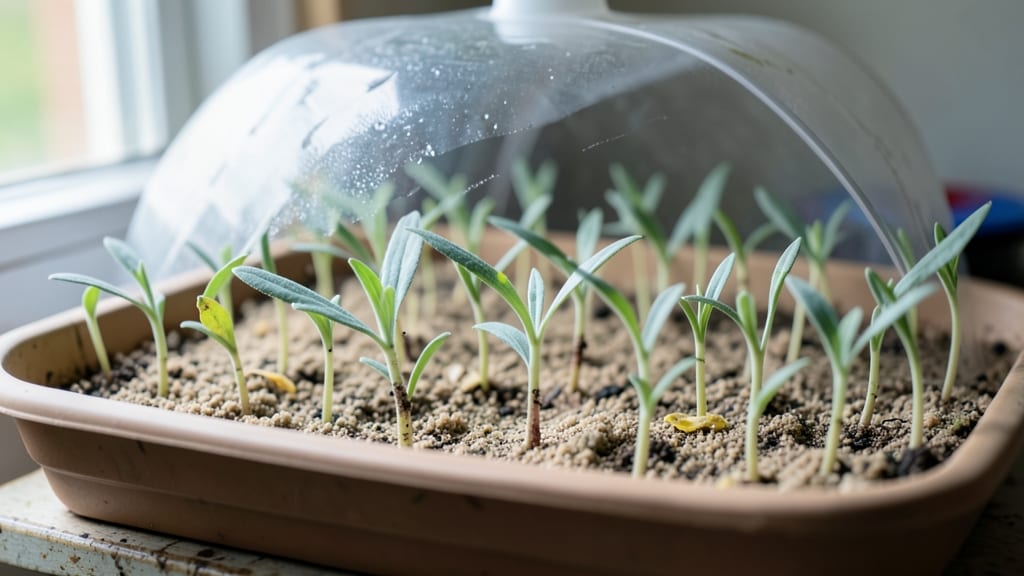
The key to germinating delphinium seeds lies in mimicking their natural cold-wet cycle—moisture-controlled chilling transforms those stubborn little seeds into strong sprouts. I’ve struggled with delphinium germination for years, but this method finally cracked the code after my third failed attempt.
The secret isn’t just patience—it’s replicating the exact conditions these alpine natives need to break dormancy.
You’ll need a few simple supplies: delphinium seeds (preferably fresh), a sealed plastic bag with damp paper towels or peat moss, and a refrigerator set to 34–40°F.
The process takes 8–12 weeks, but the wait pays off with 90% success—far better than the hit-or-miss results from direct sowing. Delphiniums are notoriously slow, but this cold treatment tricks them into thinking spring has arrived.
Once chilled, you’ll see tiny roots emerge within 2–4 weeks, followed by green shoots that finally poke through the soil. The seedlings are delicate at first, so keep them in a humid, shaded propagator until they’re strong enough to handle sunlight.
By the time they’re ready for transplanting, they’ll be 3–4 inches tall—proof the wait was worth it.
This method works for all delphinium varieties, from dwarf cottage types to towering garden hybrids. The same principles apply whether you’re growing in a cold frame, basement, or even a DIY seed-starting box.
Just remember: consistency in moisture and temperature is everything—delphiniums reward precision with vibrant blooms that last all summer.
📚 In This Guide
- What you need
- Instructions
- Tips and common mistakes
- Wrapping up and next steps
What you need
- ● Delphinium seeds: Fresh or stored seeds (preferably from a trusted supplier; 100+ seeds for best results).
- ● Seed-starting mix: Lightweight, sterile potting mix (e.g., 50% peat moss + 50% perlite or a pre-mixed seed-starting blend). 2–3 cups for a small tray.
- ● Seed trays or small pots: Shallow trays with drainage holes (e.g., 1020-cell seed trays or 4-inch pots).
- ● Plastic wrap or humidity dome: To maintain moisture during germination.
- ● Spray bottle: With water (or a fine-mist setting) for gentle hydration.
- ● Refrigerator or cold frame: For the moisture-controlled chill phase (set to 35–40°F).
- ● Grow lights or sunny windowsill: For post-chill warmth (60–70°F during the day).
- ● Fungicide: A mild solution (e.g., hydrogen peroxide 3%) to prevent mold.
- ● Heating mat: For faster germination (70–75°F during chill phase).
- ● Labeling tags: To track seed varieties.
- ○ Fine mesh or paper towels: For pre-chill stratification (optional for stubborn seeds).
Step-by-step instructions for germinating delphinium seeds
Delphiniums demand patience, but this moisture-controlled chill method delivers reliable germination.
Stratify Seeds for 4-6 Weeks
Delphinium seeds require cold stratification to break dormancy. Place them in a sealed plastic bag with 2 tablespoons of moist sand—just damp enough to feel like a wrung-out sponge. Seal the bag and refrigerate for 4-6 weeks at 35-40°F. Check weekly to ensure the sand remains moist; sprinkle a few drops of water if it feels dry.
This cold treatment mimics winter conditions, signaling seeds to germinate. If you skip stratification, expect less than 20% germination—the seeds simply won’t wake up. I’ve found that 5 weeks strikes the best balance between dormancy break and mold prevention.
Sow Stratified Seeds in Moist Medium
After stratification, fill 4-inch pots with a sterile seed-starting mix (never garden soil—it’s too dense). Moisten the mix until it holds together when squeezed but doesn’t drip. Plant seeds ¼ inch deep, spacing them 1 inch apart—delphiniums germinate slowly, so thin seedlings later if needed.
Press the soil gently around each seed to ensure good contact. Overwatering now can cause rot, so use a spray bottle to mist the surface until evenly damp. The goal is consistent moisture without soggy conditions—this is where most failures happen.
Provide Warmth and Humidity for Germination
Place pots in a warm, humid environment—70-75°F works best. A seedling heat mat keeps soil temperatures stable, while a clear plastic dome or humidity tent retains moisture. Germination typically takes 2-4 weeks, but some seeds may take longer. Check daily for condensation on the dome; lift it briefly to air out if droplets form.
Direct sunlight isn’t needed yet—bright, indirect light is sufficient. If seedlings stretch toward a window, they’re reaching for more light, but don’t move them yet. Once 50% of seeds sprout, remove the dome entirely to prevent fungal issues.
Thin and Transition to Light
When seedlings reach 1 inch tall, thin to the strongest 2 per pot, snipping weaker stems at soil level with clean scissors. This reduces competition and encourages robust growth. After thinning, move pots to a south-facing window or under grow lights for 14-16 hours daily. Delphiniums need strong light to prevent legginess.
Water from the bottom now—place pots in ½ inch of water for 10 minutes, letting roots absorb moisture naturally. This method prevents fungal diseases while keeping soil consistently moist. You’ll see first true leaves in 4-6 weeks—this is your cue to start fertilizing lightly with a balanced liquid fertilizer (diluted to half strength).
Harden Off Before Transplanting
Four weeks before your last frost, begin hardening off seedlings by placing them outside in partial shade for 1-2 hours daily. Gradually increase exposure over 10-14 days, ending with full sun. Delphiniums are frost-tolerant but need acclimation to avoid shock. Transplant after all danger of frost has passed and soil warms to 55°F. Choose a site with full sun and well-draining soil—they’ll reward you with 3-4 feet of striking blooms by mid-summer.
Tips & tricks for perfect delphinium germination
Delphinium seeds are notoriously finicky, but these moisture-sensitive strategies will help you achieve that 90% success rate without the guesswork.
Stratification Precision: The 4-6 week cold treatment at 35-40°F is non-negotiable—this mimics winter's natural dormancy break. I've found that using a refrigerator's crisper drawer (where humidity is naturally higher) creates the ideal environment. Place a small dish of water in the bag to maintain moisture without making the sand soggy. If your fridge runs warmer, extend the stratification to 6 weeks rather than risking poor germination.
Medium Selection Matters: Sterile seed-starting mix is critical because garden soil contains pathogens that can rot delicate delphinium seedlings. If you must use potting mix, sterilize it first by baking at 200°F for 30 minutes. The ¼-inch planting depth is perfect—any deeper and they'll struggle to emerge. Press the soil gently around seeds to eliminate air pockets, which can cause uneven moisture distribution.
Humidity Control: The plastic dome creates a greenhouse effect, but condensation buildup can lead to fungal issues. Lift the dome daily for 5 minutes to air out, especially if you notice water droplets forming. During the 2-4 week germination period, maintain that 70-75°F warmth—any cooler and germination slows dramatically. A seedling heat mat set to 72°F provides consistent bottom heat that mimics spring soil temperatures.
Light Transition Strategy: When you move seedlings to 14-16 hours of light after thinning, use a timer for your grow lights to maintain consistency. Delphiniums need this extended daylight to prevent legginess, but too much direct light too soon can scorch tender leaves. Start with 6 hours of light, then increase by 2 hours daily until reaching the full 14-16 hours over a week's time.
Pro Tips for Germinating Delphinium Seeds
- Delphinium seeds are notoriously finicky, but these moisture-sensitive strategies will help you achieve that 90% success rate without the guesswork.
- Stratification Precision: The 4-6 week cold treatment at 35-40°F is non-negotiable—this mimics winter's natural dormancy break.
- Medium Selection Matters: Sterile seed-starting mix is critical because garden soil contains pathogens that can rot delicate delphinium seedlings.
Frequently asked questions
about germinating delphinium seeds—here’s what you need to know before diving in!How long should I chill delphinium seeds?
Chill your seeds for 4–6 weeks in a moist, cold environment (like a fridge). This mimics winter conditions, breaking dormancy. Pro tip: Use a sealed container with damp paper towels to maintain humidity without mold. Patience pays off—rushing can reduce germination rates!
When will delphinium seeds actually sprout?
After chilling, germination typically takes 2–4 weeks at 60–65°F (15–18°C). Keep soil consistently moist but not soggy. Watch for: Tiny green shoots poking through the surface—once they do, move pots to bright, indirect light to prevent legginess.
Can I use regular potting soil for germination?
Yes, but amend it! Mix equal parts potting soil and perlite or sand for drainage. Delphiniums hate soggy roots. Alternative: Use a seed-starting mix with vermiculite. Avoid heavy garden soil—it compacts and suffocates delicate seedlings.
What if my seeds aren’t germinating after chilling?
Try these fixes:
- Check moisture: Seeds need consistent dampness (not wet). Mist lightly if dry.
- Test viability: Soak a few seeds in water for 24 hours—if they sink, they’re likely viable.
- Adjust temperature: If your fridge is too warm (<50°F/10°C), move seeds to a cooler spot (like a garage).
- Fresh seeds: Delphinium seeds lose viability quickly—use seeds <1 year old for best results.
Should I transplant seedlings immediately after sprouting?
Wait until seedlings have 2–3 sets of true leaves (not just cotyledons). Harden them off for 5–7 days by gradually exposing them to outdoor conditions. Delphiniums are fragile—avoid transplant shock by keeping roots moist and using small pots (2–3 inches wide).
Wrapping up and next steps
Germinating delphinium seeds doesn’t have to be a gamble—with the right moisture-controlled chill method, you can achieve a 90% success rate and unlock vibrant blooms for years to come! 🌱 By following these steps, you’re not just growing seeds; you’re nurturing future garden stars.
Now that you’re armed with the know-how, take the leap—start your seeds today and watch your garden transform into a delphinium dreamland.
Ready to dive deeper? Experiment with varieties, tweak timing, and share your progress with fellow gardeners. Happy growing!