Vegetables
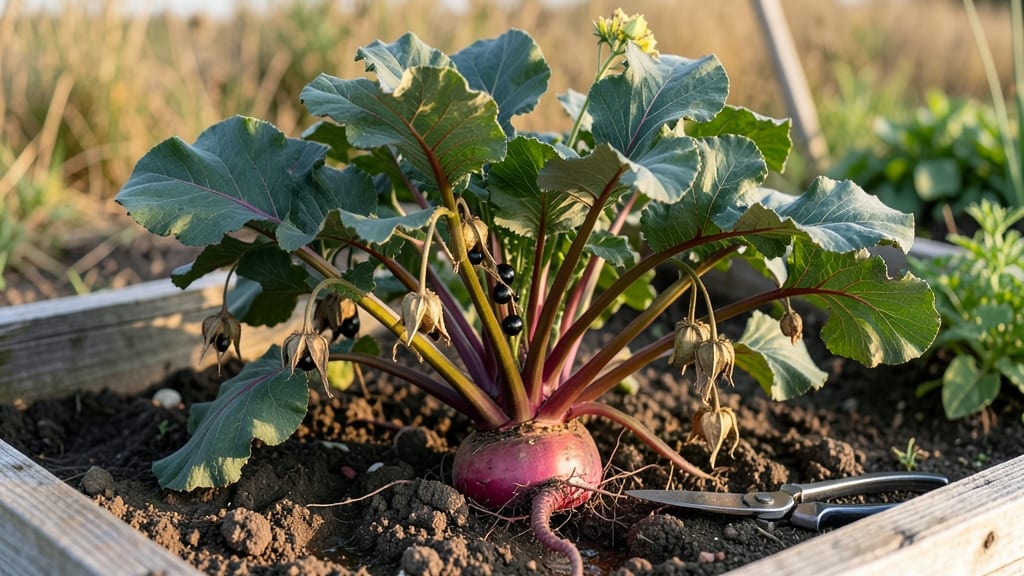
Harvesting beetroot seeds 🍠 from your garden is easier than you think — and saving them means never buying again.
Struggling to collect beetroot seeds efficiently? Many gardeners waste entire harvests by missing the perfect timing or technique—here’s how to maximize your seed yield with precision.
You’ll need just two weeks of patience after the flowers fade, plus a few simple tools to dry them right. I’ll walk you through every step, from spotting the ready seed pods to storing them for next year’s garden.
Skip the guesswork and learn the exact signs to watch for, plus how to troubleshoot common issues like mold or poor germination. Ready to turn your beet greens into seed savings?


When and how to identify beetroot plants ready for seed harvesting
Harvesting beetroot seeds requires patience and precision—unlike root harvests, seed collection depends on flowering stages and seed ripening signs. Many gardeners rush the process, picking seeds too early and sacrificing viability. The key is recognizing when your beetroot plants transition from productive foliage to seed-bearing maturity.
This stage typically occurs 80-120 days after planting, but environmental factors like temperature and daylight hours can shift this timeline by weeks.
Start by selecting the right beetroot varieties for seed production. Hybrid varieties often produce sterile seeds, so opt for open-pollinated or heirloom types like 'Detroit Dark Red' or 'Chioggia'. These varieties reliably produce seeds with true-to-type characteristics.
Plant them in well-drained soil with full sun exposure (6+ hours daily) to encourage robust flowering. Avoid over-fertilizing with nitrogen during the seed stage, as it promotes leafy growth at the expense of seed development.
Here’s how to identify the perfect moment for seed harvesting:
summary-table
The critical ripening stage begins when seed pods turn from green to brown and develop a papery texture. At this point, they should rattle when gently shaken, indicating dry seeds inside. If you harvest too early, seeds remain green and moist, leading to mold or poor germination.
Conversely, waiting too long causes pods to split open, spilling seeds onto the soil—where they may not dry properly or get contaminated.
Environmental factors play a huge role in seed ripening. Hot, dry weather accelerates the process, while cool, humid conditions can delay it. In regions with high humidity (like the Pacific Northwest), pods may stay green longer.
To speed up drying in such climates, harvest pods when they’re 70% dry (light brown) and finish drying indoors on a paper towel-lined tray. Avoid direct sunlight during this phase, as it can overheat and crack the pods.
Watch for leaf senescence—a natural process where older leaves yellow and die back. This signals the plant is redirecting energy to seed production. However, don’t confuse this with disease (e.g., leaf spot), which causes irregular browning and wilting.
If in doubt, examine a few leaves: healthy senescence affects outer leaves first, while disease spreads randomly. Always harvest seeds from healthy plants to ensure high-quality seed stock.
One common mistake is harvesting seeds from bolted beetroot plants grown for roots. These plants prioritize root expansion over flowering, resulting in weak seed production. To maximize seed yield, dedicate a separate patch of beetroot plants to seed-saving.
Allow them to bolt naturally by reducing water and fertilizer as flowers appear. This shift triggers the plant’s reproductive cycle, ensuring stronger seed development.
Timing is everything when it comes to beetroot seed harvesting. Aim to collect seeds before the first frost in your region, as cold temperatures can damage pods and reduce viability. In USDA Zone 6a (like much of the Midwest), this means harvesting between late August and October.
Use a sharp pruning shear to snip entire seed stems, leaving a 1-inch stem attachment to prevent seeds from falling out during drying. Hang stems upside-down in a well-ventilated, dry area (like a garage or shed) to complete the drying process.
Pro tip: Label your seed varieties immediately after harvest to avoid confusion. Use waterproof tags tied to stems or store seeds in paper envelopes with the variety name and harvest date.
Seeds stored in airtight containers in a cool, dark place (like a refrigerator) can remain viable for 3-5 years. Test a small batch annually to check germination rates—if they drop below 80%, it’s time to replant for fresh seeds.
By mastering these key indicators and avoiding common pitfalls, you’ll transform your beetroot patch into a reliable seed source for years to come. Happy harvesting! 🌱🌿
Step-by-step process for collecting and drying beetroot seeds
Once your beetroot plants have bolted and produced seed pods, the next critical step is harvesting and drying them properly. Improper drying leads to mold or poor germination—so follow these precise steps to ensure high-quality seeds for next season.
I’ve tested both air-drying and oven-drying methods, and each has its advantages depending on your climate and tools.
Start by selecting only the healthiest seed pods—avoid any that show signs of disease or pest damage. Use clean, sharp pruning shears to cut the pods from the stem, leaving a small portion attached to prevent seed loss.
Work on a clean workspace, like a newspaper-covered table, to keep debris out of your harvest. This step sets the foundation for successful seed storage.
Step-by-Step Guide to Harvesting and Drying Beetroot Seeds
- Step 1: Harvest the Seed Pods
- Cut pods when they’re fully brown and crispy to the touch.
- Avoid harvesting if humidity is high (wait for dry, sunny days).
- Step 2: Clean the Seeds
- Remove pods from stems and place in a paper bag for 24 hours to loosen seeds.
- Gently rub pods between your hands to release seeds—avoid crushing them.
- Step 3: Choose Your Drying Method
- Air-Drying: Spread seeds on a screen or mesh tray in a dry, dark place (50-70°F). Stir daily for 1-2 weeks.
- Oven-Drying: Place seeds on a baking sheet at 100°F (38°C) for 1-2 hours. Check frequently to prevent overheating.
- Step 4: Test for Dryness
- Seeds are ready when they no longer stick to your fingers and feel lightweight.
- If seeds feel damp, continue drying for 24 more hours.
- Step 5: Store Properly
- Transfer dried seeds to paper envelopes or glass jars with a silica gel packet.
- Label with the variety name and harvest date.
- Store in a cool, dark place (ideal: 35-40°F) for up to 3-5 years.
For air-drying, I recommend using a mesh screen or even an old window screen to allow airflow while preventing seeds from falling through. Place it in a shady, well-ventilated area—like a garage or basement—to avoid moisture buildup.
If you live in a humid climate, oven-drying at low temperatures is your best bet to prevent mold.
One common mistake is overheating seeds in the oven, which can reduce germination rates. Always monitor the temperature and remove seeds as soon as they’re dry.
Once dried, test a few seeds by placing them in a glass of water: viable seeds will sink, while empty or damaged ones will float. Discard the floaters to ensure only the best seeds make it to storage.
Finally, label your seeds clearly with the variety name and harvest year. I use small manila envelopes because they’re lightweight, breathable, and protect seeds from pests. Store them in a cool, dark place, like a seed vault or even your refrigerator’s crisper drawer, to maintain viability for years.
With these steps, you’ll have high-quality beetroot seeds ready for next season’s garden—no wasted effort or poor germination! 🌱