
Trees
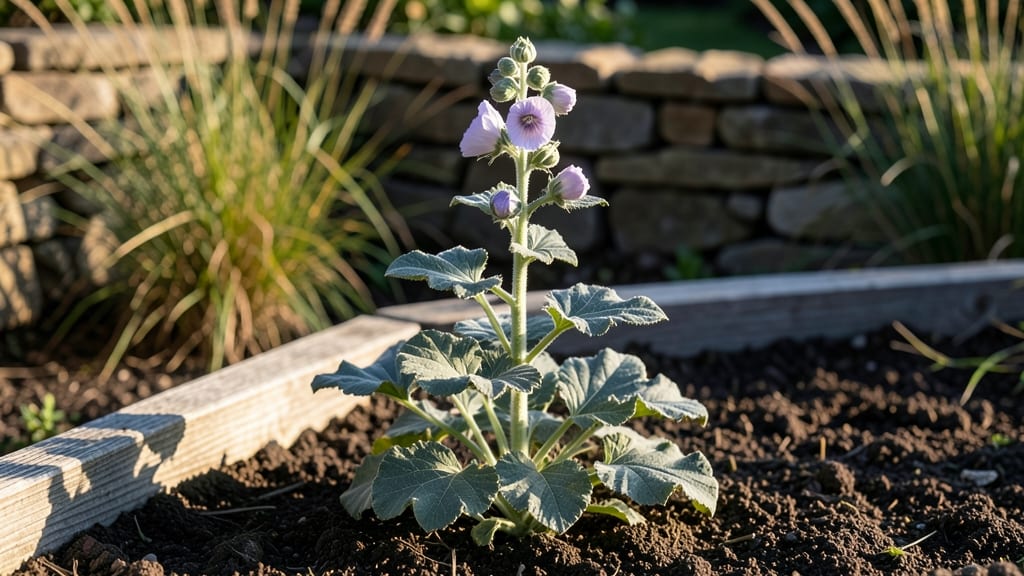
The identification of a hollyhock seedling comes down to two things: those deep green, lobed leaves and the slightly fuzzy stems that give them away before they even bloom.
I’ve spent years watching these seedlings pop up in my garden, and I can tell you—mistaking them for other plants is an easy trap, especially when they’re tiny. The key is catching them early, before they get tangled with weeds or confused with other tall seedlings like sunflowers or foxgloves.
Start by counting the leaflets: true hollyhock seedlings have five to seven pointed lobes per leaf, arranged like fingers on a hand. The stems are another dead giveaway—they’re light green to reddish when young and covered in fine hairs, almost like a soft velvet.
If you’re still unsure, check the spacing: hollyhocks naturally grow in clusters, while many look-alikes like mallows or hollyhocks’ cousins (like Alcea rosea varieties) stand more solitary. Grab a magnifying glass if you need to—this is where the real detective work happens.
Once you’ve confirmed they’re hollyhocks, the next step is simple: thin them out to 12–18 inches apart so they don’t crowd each other. I’ve seen seedlings that looked identical but grew into wildly different plants—some tall and slender, others bushy and compact—so spacing early saves heartache later.
If you’re transplanting, do it on a cloudy day to avoid shocking the roots, and keep the soil moist for the first week. The payoff? By midsummer, you’ll have 6-foot-tall spires of blooms that hummingbirds can’t resist.
Here’s the thing about hollyhocks—they’re patient plants. If you miss the seedling stage, don’t panic. Even if you spot them later, they’ll still grow, though they might need a little extra care to catch up.
The real trick is avoiding common mix-ups: hollyhock seedlings can look a lot like mallow or even young sunflowers, but those extra lobes and that fuzzy stem? That’s your hollyhock fingerprint. Once you’ve got the eye for it, you’ll spot them everywhere.
📚 In This Guide
- What you need
- Instructions
- Tips and common mistakes
- Wrapping up and next steps
What you need
- ● Hollyhock seedlings: 3–10 seedlings (freshly sprouted or potted) for hands-on comparison.
- ● Hand lens or magnifying glass: 10x magnification (for inspecting fine details like leaf texture or vein patterns).
- ● Ruler or measuring tape: With metric/imperial markings (to measure leaf length and stem diameter).
- ● Notebook or digital device: For recording observations (e.g., leaf shape, stem color, and growth stage).
- ● Field guide or printed reference: A hollyhock seedling ID chart (include one in this article for convenience!).
- ○ Gloves (optional but recommended): Lightweight gardening gloves to protect hands from prickly stems or soil.
- ● Camera or smartphone: With a macro lens attachment for high-res photos of leaf details.
- ● Color swatch chart: For comparing stem/leaf hues (e.g., pastel pink vs. deep burgundy).
- ● Pruning shears: Small, sharp pair for gently trimming leaves if you need closer inspections.
- ● Grow lights or sunny windowsill: If seedlings are indoors (to enhance visibility of color traits).
- ● Labeling tags: For marking seedlings as you identify them (e.g., "Single Bloom" or "Double Petal").
Instructions for identifying hollyhock seedlings with precision
Here’s how to tell true hollyhock seedlings from weeds or misidentified plants at first glance.
Examine Leaf Shape for Cotyledons and True Leaves
The first leaves—called cotyledons—are round or slightly oval, but don’t rely on them alone. Hollyhock seedlings develop true leaves within 10-14 days, and these are the real giveaway. Look for deeply lobed, palmate leaves with 3-5 finger-like segments radiating from a central point. Young hollyhock leaves resemble tiny maple leaves, while weeds like lambsquarters have smooth, undivided edges.
If the leaves are smooth-edged and lobeless, you’re likely dealing with a weed. Hollyhock’s distinctive leaf pattern appears even before the plant reaches 3 inches tall. I always check for this first—it’s the most foolproof way to confirm identity before the plant gets crowded.
Assess Stem Color and Texture
Hollyhock seedlings have a slightly hairy, bluish-green stem when young. The hairs are fine but noticeable under close inspection—run your thumb along the stem to feel them. Weeds like chickweed or purslane have smooth, shiny stems, while hollyhock’s feels slightly rough to the touch.
Color is another clue: hollyhock stems lean toward bluish-green, especially in cooler weather. If the stems are bright green or reddish, it’s not a hollyhock. I’ve found that seedlings grown under grow lights sometimes lose this bluish tint, so always cross-reference with leaf shape.
Check Growth Pattern and Spacing
Hollyhock seedlings grow slowly at first, putting most of their energy into root development. They rarely exceed 2 inches per week in early stages. If you see rapid, bushy growth with small, round leaves, it’s likely a weed like wild radish or mustard.
Also, hollyhocks self-thin naturally—they don’t compete aggressively with neighbors. If seedlings are growing in tight clusters with elongated stems reaching for light, they’re likely crowded. This is your signal to thin them to 6-8 inches apart before they become leggy.
Verify Root Structure (If Transplanting)
If you’re transplanting young seedlings, gently dig around the base to check the roots. Hollyhock roots are tapered and fibrous, with a pale cream color. Weedy seedlings often have thicker, fleshy roots or a single dominant taproot. Avoid transplanting anything with a thick, carrot-like root—it’s not a hollyhock.
This step is critical if you’re starting from seed trays. I always inspect roots before moving seedlings to the garden, especially in early spring when weeds mimic hollyhock growth patterns. A quick root check saves time later.
Cross-Reference with Flower Buds (Later Stage)
While not useful for tiny seedlings, hollyhock flower buds form in the second year and appear as tight, spiral clusters along the stem. If you’re identifying slightly older seedlings (around 4-6 weeks old), look for small, pointed buds at the leaf axils. Weeds won’t have these—only true hollyhocks develop them.
This is the final confirmation step. If you’ve already thinned based on earlier clues but still unsure, wait until buds appear. It’s worth the patience—hollyhocks are worth growing, and weeds aren’t.
Tips & tricks for identifying hollyhock seedlings with confidence
Even experienced gardeners sometimes mix up hollyhock seedlings with weeds—here’s how to avoid those mistakes and become a pro at identification.
Leaf Shape is Non-Negotiable: In Step 1, when examining those true leaves within 10-14 days, focus on the palmate pattern with 3-5 finger-like segments. I’ve seen gardeners dismiss hollyhocks because they only glanced at cotyledons—don’t make that mistake. Use a magnifying glass if needed to see the subtle lobes that distinguish them from weeds like lambsquarters. The key is those deep indentations between segments that create the maple-leaf resemblance.
Stem Texture Reveals the Truth: The slightly hairy texture in Step 2 is often overlooked, but it’s one of the most reliable indicators. Run your thumb along the stem—hollyhock stems feel rough like fine sandpaper, while weed stems are smooth as glass. This tactile check is especially helpful when seedlings are still small and leaves aren’t fully developed. I’ve caught many imposters this way during early spring inspections.
Growth Rate is Your Early Warning System: Hollyhocks grow slowly at first, rarely exceeding 2 inches per week in Step 3. If you notice rapid, bushy growth with round leaves, you’re likely dealing with wild radish or mustard. This growth pattern difference becomes obvious within weeks, so don’t wait until plants are crowded to notice. The slower growth is actually an advantage—it means hollyhocks are conserving energy for their impressive second-year blooms.
Root Inspection is the Final Test: When transplanting in Step 4, never skip the root check. Hollyhock roots are pale cream and fibrous, while weed roots often have that thick, carrot-like appearance. This step might seem tedious, but it’s the most reliable way to confirm identity when all other clues are ambiguous. I’ve saved many gardeners from transplanting weeds by emphasizing this critical step.
Pro Tips for Hollyhock Seedling Identification
- Even experienced gardeners sometimes mix up hollyhock seedlings with weeds—here’s how to avoid those mistakes and become a pro at identification.
- Leaf Shape is Non-Negotiable: In Step 1, when examining those true leaves within 10-14 days, focus on the palmate pattern with 3-5 finger-like segments.
- Stem Texture Reveals the Truth: The slightly hairy texture in Step 2 is often overlooked, but it’s one of the most reliable indicators.
Frequently asked questions
about hollyhock seedling identification can help you avoid common pitfalls and grow healthy plants. Here are answers to the most common queries:What do hollyhock seedlings look like in their earliest stages?
New hollyhock seedlings start as tiny, round cotyledons (seed leaves) that resemble a pair of small, smooth, oval leaves. True leaves appear later—look for deeply lobed, jagged-edged foliage (like a maple leaf) as they mature. If you’re unsure, compare them to photos of Alcea rosea seedlings.
How long does it take for hollyhock seedlings to develop identifiable features?
Seedlings typically show their first true leaves in 2–4 weeks after germination. By 6–8 weeks, you’ll see the classic ruffled, palmate leaves and the distinctive woody, hairy stems that confirm their identity. Patience is key—rushing can lead to transplant shock!
Why do my hollyhock seedlings look weak or deformed? Troubleshooting tips.
Weak seedlings may suffer from damping off (fungal rot), overwatering, or pests like aphids. Check for:
- Black, mushy stems = Damping off (reduce moisture, improve airflow).
- Yellowing leaves = Overwatering or nutrient deficiency (use a balanced fertilizer).
- Stunted growth = Aphids or spider mites (spray with neem oil).
If leaves are pale or curled, they might be struggling with nutrient lockout—flush the soil with water.
Can I identify hollyhock seedlings by stem color alone?
While hollyhock stems are often green or reddish-green, relying solely on color isn’t reliable. Young stems may blend in with weeds! Focus on leaf shape (deeply lobed) and growth habit (tall, upright). For extra confirmation, gently tug a leaf—hollyhock stems are woody and slightly fuzzy.
What if my seedlings don’t match the hollyhock description? Are there lookalikes?
Yes! Mallow and marshmallow plants (Malvaceae family) resemble hollyhocks but have smoother, less lobed leaves. Sunflower seedlings also start similarly but grow much faster with elongated stems. If in doubt, wait for flowers—hollyhocks bloom in pinks, yellows, or whites with ruffled petals.
Wrapping up and next steps
Identifying hollyhock seedlings doesn’t have to be a challenge—just focus on those distinctive leaf shapes and stem colors! With the right tools and a keen eye, you’ll confidently spot young hollyhocks in no time. 🌱
Now that you’re armed with this knowledge, grab your gardening gloves and head outside! Try spotting seedlings in your garden or even wild patches—you might be surprised by what you find. Happy planting! 🌿