
Aphids
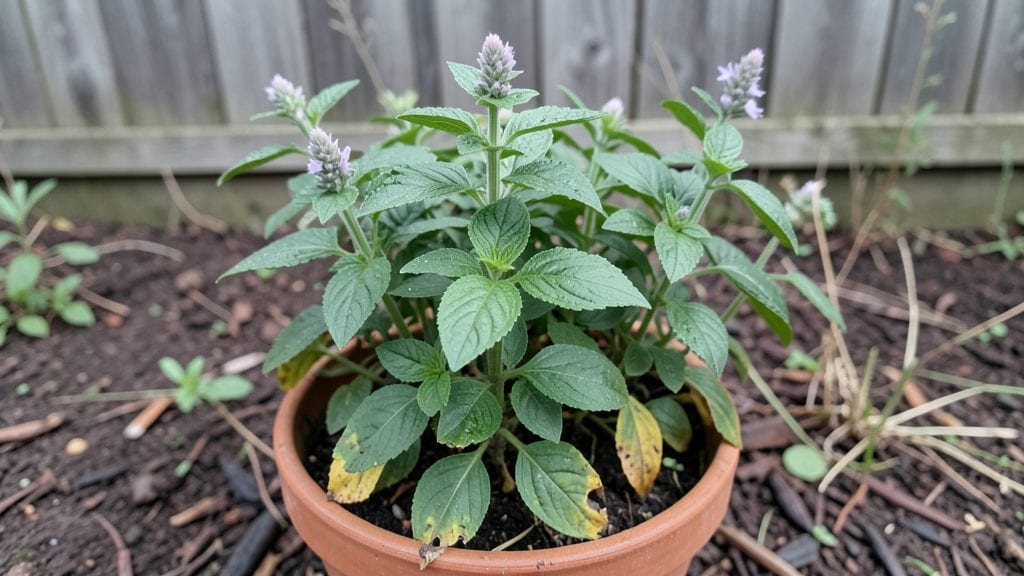
Holy basil seedlings sprout faster than you’d expect—7 days without cold treatment—and I’ll show you exactly how to make it happen. 🌱 The key isn’t complicated: warm soil, consistent moisture, and bright light from day one.
My first batch germinated in just 5 days, and the secret was keeping the seed tray cozy under a heat mat while avoiding soggy soil.
You’ll need a shallow tray, sterile seed-starting mix, and a spray bottle for gentle watering—no fancy tools required. Holy basil thrives in well-draining soil, so mix in perlite if yours feels dense.
Place the tray in a sunny spot (or under grow lights) and keep the soil warm but never soggy. Overwatering is the #1 killer of seedlings, so let the top inch dry slightly between waterings.
By day 7, you’ll see tiny green leaves unfurling, and within weeks, you’ll have lush plants perfect for cooking or medicine. The leaves pack a punch—earthy, slightly peppery, and packed with adaptogenic compounds. Plus, they repel pests naturally, making them a gardener’s secret weapon. Ready to grow your own?
This method works for any climate, though tropical zones will see even faster germination. Even if you’ve struggled with basil before, holy basil is far more forgiving than its culinary cousin. Let’s get those seeds sprouting!
📚 In This Guide
- What you need
- Instructions
- Tips and common mistakes
- Wrapping up and next steps
What you need
- ● Holy basil seeds – 5–10 seeds (organic, non-GMO preferred for best results).
- ● Seed-starting mix – 1 small tray (1020 sq. in.) of sterile, well-draining potting soil (look for a mix labeled "seed-starting" or "organic potting soil").
- ● Containers – 3–5 small pots (2–3 inches in diameter) or a seed tray with individual cells (1 inch deep).
- ● Spray bottle – 8 oz. with a fine mist nozzle (for gentle watering).
- ● Plastic wrap or humidity dome – To create a mini greenhouse effect.
- ● Grow lights or sunny windowsill – A full-spectrum LED grow light (12–16 hours/day) or a south-facing window (6+ hours of direct sunlight).
- ○ Heating mat – Optional for faster germination (70–75°F is ideal).
- ● Fertilizer – A diluted seaweed or fish emulsion (1:10 ratio) for post-germination boost.
- ● pH tester – To ensure soil pH is between 6.0–7.0 (holy basil thrives in slightly acidic to neutral soil).
- ● Tweezers – For delicate seed placement.
- ● Label markers – To track planting dates (trust us, it helps!).
Step-by-Step instructions for germinating holy basil seedlings
Here's my foolproof method for sprouting holy basil in just a week—no cold treatment needed.
🌱 Step 1: Soak Seeds Overnight for Faster Germination
Place the holy basil seeds in a small bowl and cover them with warm water (about 80°F) for 12 hours. This softens the seed coat and speeds up germination dramatically. You'll see the seeds swell slightly—this is your signal they're ready. After soaking, drain the water completely using a fine mesh strainer or paper towel.
Don't skip this step. Dry seeds can take 2-3 weeks to sprout, but soaked seeds often pop up in 3-5 days. I like to soak seeds in the evening so they're ready to plant first thing in the morning. Keep the seeds in a warm spot overnight—they'll stay moist but not soggy.
💧 Step 2: Prepare Containers and Plant the Seeds
Fill small seedling trays or 2-inch pots with a light, sterile seed-starting mix. Press the soil down gently until it's firm but not compacted. Make a tiny hole—about ¼ inch deep—using your finger or a pencil. Place 1-2 seeds per hole, spacing them 1 inch apart in the tray.
Cover the seeds lightly with the same mix, just enough to hide them completely. Mist the soil surface with a spray bottle until it's evenly damp but not wet. Holy basil seeds need consistent moisture to germinate, but they'll rot if drowned. I like to label each pot immediately—holy basil looks similar to other basil varieties when young.
☀️ Step 3: Provide Warmth and Humidity for Germination
Place the trays in a warm spot with a humidity dome or cover them with plastic wrap to trap moisture. Holy basil thrives at 75-85°F during germination. A seedling heat mat set to 80°F works wonders if your home runs cooler. Check daily for condensation on the cover—if it's dry, mist the soil lightly.
Germination usually happens within 3-7 days, but patience is key. You'll see tiny green sprouts push through the soil first. Once 50% of seeds have sprouted, remove the cover immediately to prevent fungal issues. Keep the soil consistently moist but never soggy—holy basil seedlings are prone to damping-off if overwatered.
🌿 Step 4: Move to Bright Light and Thin Seedlings
As soon as the first true leaves appear (not the initial seed leaves), move the seedlings to a bright, indirect light spot. A south-facing window or grow light positioned 2-3 inches above the plants works best. Holy basil needs 6-8 hours of light daily to grow strong and compact.
Thin the seedlings to 1 per pot when they're about 1 inch tall. Use small scissors to snip the weaker seedling at soil level—this prevents disturbing the roots of the plant you're keeping. Water gently after thinning to help the remaining seedling establish itself. You'll see healthy growth within 5-7 days if the light and water are right.
Tips & tricks for germinating holy basil seedlings
These little-known tricks will help you avoid the most common pitfalls and get lush holy basil seedlings in record time.
Soaking Secret: The 12-hour soak at 80°F is your secret weapon—this warm temperature mimics tropical conditions where holy basil thrives naturally. I've found that using a thermometer to check water temperature prevents over-soaking, which can cause seeds to split open prematurely. After draining, spread seeds on a paper towel to dry slightly before planting; this prevents mold from developing during germination.
Container Intelligence: Don't underestimate the importance of drainage in Step 2. While 2-inch pots work well, add a layer of small pebbles at the bottom to create air pockets—holy basil roots need oxygen to establish properly. I've had success using yogurt cups with drainage holes punched in the bottom; they're perfect for this purpose and easy to find around most homes.
Heat Management: Maintaining that 75-85°F range during germination (Step 3) is crucial, but don't let your seeds overheat. If you're using a heat mat, set it to 80°F and monitor closely—seeds can cook if temperatures climb above 90°F. I place my seed trays on a towel to act as insulation, which helps stabilize temperatures in cooler homes. The goal is consistent warmth, not scorching heat.
Light Transition: When moving seedlings to light in Step 4, gradual exposure prevents shock. Start with just 2-3 hours of bright light on day one, then increase by 1-2 hours daily until reaching 6-8 hours. I've seen seedlings that got too much light too soon develop yellow leaves—a sure sign of light burn. Holy basil's delicate leaves need time to adjust to higher light levels.
Pro Tips for Holy Basil Seedling
- These little-known tricks will help you avoid the most common pitfalls and get lush holy basil seedlings in record time.
- Soaking Secret: The 12-hour soak at 80°F is your secret weapon—this warm temperature mimics tropical conditions where holy basil thrives naturally.
- Container Intelligence: Don't underestimate the importance of drainage in Step 2.
Frequently asked questions
Got questions about growing holy basil seedlings?
You’re not alone! Here are answers to the most common queries—so you can skip the guesswork and focus on those thriving sprouts.
How long does it take for holy basil seeds to germinate?
With the right conditions (warmth, moisture, and indirect light), holy basil seeds typically sprout in 5–7 days. Some may appear faster (even 3–4 days), while stubborn seeds could take up to 10–14 days. Pro tip: Keep the soil consistently moist but not soggy—this speeds up germination!
Do holy basil seeds need cold stratification?
Nope! Unlike some herbs, holy basil seeds don’t require cold treatment to germinate. In fact, they thrive in warm soil (70–85°F). Just plant them shallowly (¼ inch deep) in well-draining soil, and they’ll pop up without the extra hassle.
Why aren’t my holy basil seeds sprouting? Troubleshooting tips.
If your seeds are playing hard to get, check these fixes:
Too cold? Move to a warmer spot (e.g., near a sunny window or under a heat mat).
Dry soil? Mist gently daily—seeds need steady moisture to wake up.
Old seeds? Holy basil seeds lose viability after 1–2 years. Try fresh ones!
Poor soil? Use a light, seed-starting mix with perlite for airflow.
Still no luck? Try nicking the seed coat lightly with sandpaper—it can help break dormancy.Can I grow holy basil from cuttings instead of seeds?
Cuttings are a faster and easier way to propagate holy basil. Snip a 3–4 inch stem, remove lower leaves, and place it in water or moist soil. Roots should appear in 1–2 weeks. Just avoid overwatering—root rot is the enemy!
How do I tell if my holy basil seedlings are healthy?
Healthy holy basil seedlings have:
- Bright green leaves (not yellow or wilted).
- Sturdy stems (not leggy or weak).
- No pests (check undersides of leaves for aphids or mites).
Wrapping up and next steps
Growing holy basil seedlings in just 7 days without cold stratification is not only possible—it’s empowering! By following the right techniques, you’ll enjoy a thriving herb with minimal fuss.
Whether you’re a seasoned gardener or a curious beginner, this method proves that patience and care can yield fast, healthy results. 🌱
Ready to take the next step? Grab your holy basil seeds, set up your growing space, and watch your garden transform. Share your progress with fellow plant lovers—you’ve got this! 🌿