
Size
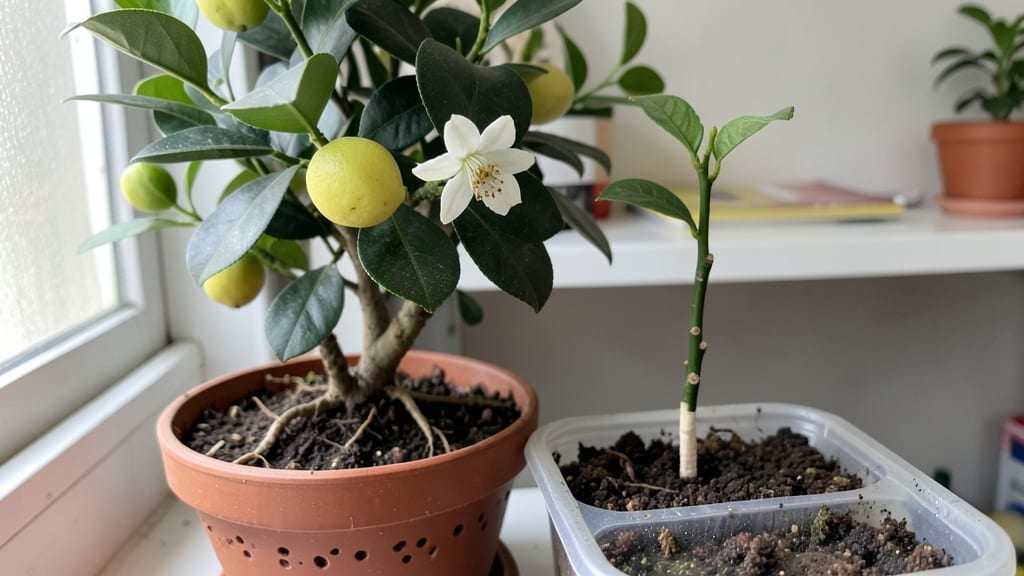
Growing lemon seeds indoors lets you enjoy real citrus year-round with just a sunny windowsill and a little patience. 🌱 I’ve grown three lemon trees from seed—two survived past the first year—and the first tart little fruit is worth every bit of waiting.
The secret isn’t fancy equipment but matching the plant’s tropical needs to your indoor space.
Start with fresh seeds from an organic lemon (store-bought ones often won’t sprout). You’ll need a small pot with drainage holes, well-draining soil mix, and a spray bottle for gentle watering.
Place the pot in bright, indirect light—south- or west-facing windows work best, but I’ve kept mine alive under grow lights when winter dims the sun.
Within weeks, you’ll see tiny leaves unfurl, and by six months, your seedling could be 12 inches tall. With proper care, it might even bloom tiny white flowers by year two. The real magic? Watching roots tangle through the pot and knowing you grew it from a single seed.
This method works for other citrus too—limes, oranges, even grapefruit. Just be patient; indoor lemon trees take years to fruit, but the journey is half the reward. Here’s how to keep yours thriving through every stage.
📚 In This Guide
- What you need
- Instructions
- Tips and common mistakes
- Wrapping up and next steps
What you need
- ● Lemon seeds: 3–5 fresh, plump seeds (harvested from organic lemons for best results). Pro tip: 💡 Rinse seeds gently to remove pulp before planting.
- ○ Small pots (3–4 inches in diameter): 1–2 pots with drainage holes (terracotta or plastic). Optional: Use biodegradable peat pots for transplanting later.
- ● Well-draining potting mix: 1 bag of cactus/succulent mix (or add perlite/vermiculite to regular soil for aeration).
- ● Spray bottle: For misting seeds without over-saturating.
- ● Plastic wrap or humidity dome: To create a mini greenhouse effect.
- ● Grow lights or sunny windowsill: A full-spectrum LED grow light (12–16 hrs/day) or a south-facing window (6+ hours of sunlight).
- ○ Fertilizer (optional but helpful): A balanced liquid fertilizer (5-5-5 or 10-10-10) diluted to half-strength for seedlings.
- ● Tweezers or toothpick: For gently placing seeds into soil.
- ● Small hand trowel: To avoid disturbing seeds while planting.
- ○ Moisture meter (optional): To check soil dampness—aim for 60–70% humidity for germination.
- ● Support stake (later stage): A 3–4 ft bamboo stake for when your seedling grows taller.
Step-by-Step instructions for growing lemon seeds indoors
Here's how I turn grocery-store seeds into thriving houseplants—no green thumb required.
🌱 Step 1: Extract and Prepare the Seeds
Save 4-6 seeds from a fresh lemon (the fresher, the better). Rinse them thoroughly under warm water to remove any pulp residue—this prevents mold. I like to soak them in a bowl of water for 24 hours to soften the outer coating; this speeds up germination by 3-5 days.
After soaking, gently rub the seeds between your fingers to remove any remaining membrane. You'll see a tiny white nub—this is where the root will emerge. Planting too many seeds in one pot leads to crowded, weak seedlings, so I stick to 2-3 seeds per container. Here's the thing—don't rush germination. Patience now means stronger plants later.
🪴 Step 2: Plant in Moist Potting Mix
Fill a small pot (at least 4 inches deep) with moistened potting mix—just damp, not soggy. I press the soil down lightly with my fingers to create a firm base, then make two small holes about ½ inch deep and 1 inch apart. Place one seed in each hole, covering it with soil just enough to hide it completely.
Water gently until the soil looks evenly moist but not wet. I use a spray bottle for this step because a heavy watering can dislodge the seeds. Place the pot in a warm spot (around 70-75°F)—a sunny windowsill or on top of a refrigerator works well. Cover the pot loosely with plastic wrap to retain humidity, but leave a tiny gap for airflow.
☀️ Step 3: Provide Warmth and Light for Germination
Germination takes 2-4 weeks, depending on temperature. You'll know it's working when you see a tiny white root poking through the soil first, followed by a sprout within a few days. Keep the soil consistently moist—never let it dry out completely, but avoid waterlogging, which causes rot.
Once the sprouts reach 2 inches tall, remove the plastic wrap and move them to a bright, indirect light spot. South-facing windows are ideal, but east or west works too. If your space lacks natural light, supplement with a grow light for 12-14 hours daily. Leggy seedlings mean your light is too weak—adjust within 6 inches of the plants.
🌿 Step 4: Transplant and Train for Strong Growth
When seedlings have 3-4 true leaves (not the initial seed leaves), transplant the strongest one into its own 6-inch pot with fresh potting mix. Handle the seedling by its leaves, not the stem, to avoid damage. Bury it just slightly deeper than it was in the starter pot—this encourages a sturdy base.
Pinch off any yellow leaves immediately—they drain energy. I also start training the main stem early by gently bending it toward the light source. This prevents the plant from growing too tall and top-heavy. Water when the top inch of soil feels dry, and fertilize lightly with a diluted citrus fertilizer every 4-6 weeks once established.
⏰ Step 5: Maintain Year-Round Citrus Health
Lemon trees thrive in 60-80°F temperatures and need 4-6 hours of direct sunlight daily. If you notice leaves curling or dropping, it's usually a sign of too much direct sun or underwatering. I rotate the pot a quarter turn weekly so the plant grows evenly toward the light.
Prune leggy growth in early spring to encourage bushier growth. You'll see new branches forming within 2-3 weeks of pruning. With patience, your indoor lemon tree can produce flowers—and even fruit—in 3-5 years. Real talk: It won't be as sweet as grocery store lemons, but the process is incredibly rewarding.
Tips & tricks for growing lemon seeds indoors
These simple tricks will help you grow a thriving indoor lemon tree from grocery store seeds—without any gardening experience.
The Soak Secret: That 24-hour soak in Step 1 is your best friend for faster germination. Use room-temperature water and change it halfway through if it gets cloudy. I've found that seeds soaked in filtered or distilled water germinate even faster than tap water, likely because of fewer impurities. The goal is to soften that tough outer coating so roots can emerge more quickly.
Planting Precision: In Step 2, those ½-inch deep holes are perfect for lemon seeds—any deeper and they might not get enough air, any shallower and they could dry out. I like to use a pencil to make the holes first, then place the seeds gently with tweezers to avoid damaging them. The 1-inch spacing between seeds gives them room to grow without competing for nutrients.
Lighting Strategy: When your seedlings reach 2 inches tall in Step 3, don't rush to move them to direct sunlight. Start with bright, indirect light for a week to help them acclimate. I've seen seedlings get sunburned when moved too quickly to full sun—look for yellow patches on leaves as the first sign. For grow lights, keep them 6 inches away at first, then adjust as your plant grows taller.
Transplant Timing: Waiting for 3-4 true leaves in Step 4 ensures your seedling is strong enough to handle the transplant shock. I've made the mistake of moving seedlings too early, and they often wilt dramatically. When transplanting, press the soil gently around the base to eliminate air pockets—this helps the plant establish roots more quickly in its new home.
Pro Tips for Grow Lemon Seeds Indoors
- These simple tricks will help you grow a thriving indoor lemon tree from grocery store seeds—without any gardening experience.
- The Soak Secret: That 24-hour soak in Step 1 is your best friend for faster germination.
- Planting Precision: In Step 2, those ½-inch deep holes are perfect for lemon seeds—any deeper and they might not get enough air, any shallower and they could dry out.
Frequently asked questions
Got questions about growing lemon seeds indoors? You’re not alone! Here are answers to the most common queries—so you can troubleshoot, plan ahead, and enjoy your citrus journey with confidence.
How long does it take for lemon seeds to sprout indoors?
With the right conditions (warmth, moisture, and patience!), lemon seeds typically sprout within 2–4 weeks. Keep the soil consistently damp and place the pot in a warm spot (like near a sunny window or under a grow light). If nothing happens after 4 weeks, gently check for mold or rot—adjust your watering habits if needed.
Can I grow a lemon tree indoors that will actually produce fruit?
While it’s possible, don’t expect lemons overnight! Indoor lemon trees (Citrus limon) grown from seed may take 5–10 years to bear fruit—and even then, the quality and quantity might be limited. For faster results, consider grafting a dwarf citrus variety or buying a young tree. Patience (and a grow light!) are key.
Why are my lemon seedling leaves turning yellow?
Yellow leaves usually signal overwatering, underwatering, or nutrient deficiency. Check the soil: if it’s soggy, reduce watering; if dry, increase it slightly. Also, ensure your seedling gets 4–6 hours of sunlight daily (or a grow light). For extra care, fertilize lightly with a diluted citrus fertilizer every 2–3 months once leaves appear.
What’s the best alternative if my lemon seeds don’t sprout?
No sprouts? No problem! Try these backups:
- Buy a dwarf lemon tree (e.g., ‘Meyer’ lemon) from a nursery—these are grafted for faster, fruitier growth.
- Graft a lemon scion onto a compatible rootstock (like a hardy citrus tree) for guaranteed fruit production.
- Grow other citrus seeds like orange or lime, which are slightly easier to sprout indoors.
How much sunlight does an indoor lemon seedling really need?
A sunny windowsill (south- or west-facing) gives 4–6 hours of direct light, but most homes lack enough natural sunlight. Supplement with a full-spectrum LED grow light (12–16 hours/day) to mimic outdoor conditions. Without enough light, your seedling will grow leggy or weak—so invest in a light if your space is dim!
Can I use store-bought lemon seeds, or do I need organic?
Store-bought seeds work fine! Just avoid chemically treated lemons (like those sprayed with fungicides). Rinse seeds gently with water to remove residue, then plant them as usual. Organic lemons aren’t required, but they’re a safer bet if you’re extra cautious. Pro tip: Save seeds from organic, seed-bearing lemons (like ‘Meyer’ lemons) for the best germination rates.
Wrapping up and next steps
Growing lemon seeds indoors is a rewarding journey that brings fresh citrus to your table year-round—no backyard required! 🌱 With the right sunlight hacks, patience, and care, you’ll nurture a thriving plant from a tiny seed.
Whether you’re a beginner or a green thumb, this process is simpler than you think, and the sweet (or tangy!) rewards make it worth every effort.
Now that you’re armed with tips and tricks, why not take the next step? Start with a seed today, and in just a few months, you could be sipping fresh lemonade from your very own indoor tree. Happy growing! 🍋✨