How To
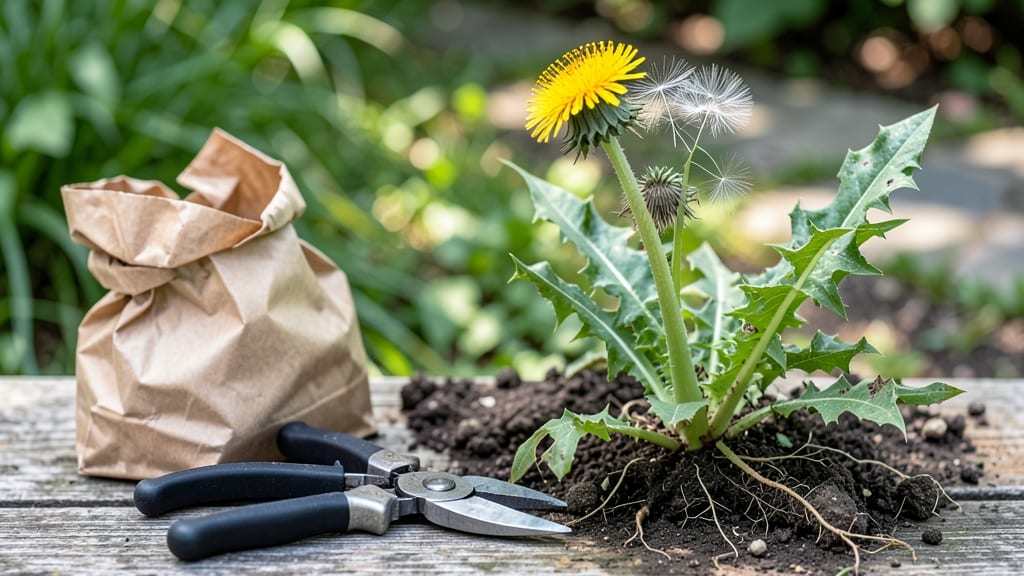
Harvesting dandelion seeds is all about timing—wait until the 🌼 puffballs turn golden-brown and fluffy, just before they scatter on the wind.
Dandelions aren’t just pesky weeds—they’re a goldmine of edible seeds packed with nutrients, and harvesting them at the right time can mean the difference between a handful of fluff and a bountiful harvest. Miss the window, and you’ll be left with nothing but empty stems.
Whether you’re saving seeds for next year’s garden, crafting natural dyes, or brewing soothing tea, knowing when and how to collect them makes all the difference. Below, I’ll walk you through the exact steps to maximize your yield without losing a single seed to the breeze.
You’ll discover the best tools to use, how to dry and store your harvest, and even a few clever ways to repurpose those seeds beyond the garden. Let’s turn those bright yellow blooms into something useful!


Best time to harvest dandelion seeds for maximum yield
Timing is everything when harvesting dandelion seeds. Miss the window, and you’ll either end up with underripe seeds that won’t store well or overripe puffballs that scatter into the wind.
The key is to harvest when the seed heads are fully mature but still attached, ensuring you get the most seeds with minimal fluff loss. This usually happens in late spring to early summer, but exact timing depends on your climate and the plant’s growth cycle.
Start by identifying mature dandelion plants—look for flower heads that have turned from bright yellow to deep brown and dry. The puffballs should feel light and fluffy when gently squeezed, but not so dry that they crumble at a touch.
If you shake a mature head and hear seeds rattling inside, that’s your cue: it’s time to harvest. These signs indicate the seeds are ready to collect for culinary, medicinal, or ornamental uses.
Seasonal timing is critical. In most regions, the best harvest window falls between May and June, aligning with the plant’s natural lifecycle. However, if you live in a warmer climate, you might start seeing mature seed heads as early as April. Conversely, cooler regions may push harvest time into July. Always monitor your plants closely, as weather fluctuations can shift these timelines.
Daily weather conditions also play a role. Harvest on a dry, calm day to prevent seeds from dispersing prematurely. Avoid collecting after rain or when high winds are forecasted, as these conditions can turn your harvest into a fluffy mess before you even begin.
Early morning is ideal because the dew has evaporated, and the seed heads are at their driest, making them easier to handle.
Now, let’s break down the essentials in one easy reference:
To maximize your yield, focus on mature plants that have completed their flowering cycle. Avoid harvesting from young plants or those still in bloom, as their seed heads won’t be ready.
Instead, prioritize the older dandelions in your garden—their seed heads will be the most developed and packed with viable seeds. If you’re unsure whether a plant is ready, perform the rattle test: gently shake the puffball. If seeds move inside, it’s harvest time.
One common mistake is waiting too long. Once the puffballs turn completely brown and start dispersing seeds on their own, your harvest will be significantly reduced.
The goal is to collect seeds just before they release into the wind, ensuring you capture the maximum number of seeds for your needs. This might mean harvesting multiple times over a few weeks, especially if your plants mature at different rates.
For culinary uses, such as making dandelion seed tea or incorporating them into baking, aim for seeds that are fully dried but still intact. If you’re saving seeds for next season’s planting, ensure they’re completely dry to prevent mold or spoilage.
Store them in a paper bag or envelope in a cool, dark place until you’re ready to use them. This method preserves their viability for up to a year.
If you’re harvesting for ornamental purposes, like crafting or garden decorations, you can leave some puffballs slightly less dry to maintain their shape. However, for most uses, fully mature seeds are ideal.
Always handle the seed heads gently to avoid damaging the delicate structures, and use a clean pair of scissors or pruners to snip the stems just above the base. This minimizes waste and makes the process more efficient.
Finally, keep an eye on your garden for new dandelion blooms throughout the season. These late-season flowers can produce another round of seeds, giving you a second chance to harvest. With the right timing and attention to detail, you’ll turn those once-pesky weeds into a valuable garden resource.
Step-by-step harvesting techniques for different uses
Harvesting dandelion seeds is easier than you think, but the method depends on your goal—whether you're saving them for culinary use, medicinal remedies, or ornamental crafts.
The key is timing: collect seeds when the puffballs turn brown but before they disperse into the wind. This ensures maximum yield and seed viability.
For culinary purposes, you’ll want to focus on fully mature seeds, which are rich in vitamins and minerals. If you’re using them for medicinal tea or flower essences, gentle handling is crucial to preserve their properties.
For crafts or bird feeders, you can harvest a bit later, but avoid letting the seeds scatter.
How to Harvest Dandelion Seeds
- Step 1: Wait for late spring to early summer when puffballs turn brown and dry. Shake a few to check if seeds rattle inside—this means they’re ready!
- Step 2: Choose a dry, sunny day to avoid humidity, which can ruin seeds. Early morning is ideal for freshness and dew-free collection.
- Step 3: Use a pair of clean scissors or pruning shears to snip the entire seed head just above the stem. Avoid crushing the puffballs.
- Step 4: Place seed heads in a paper bag (not plastic) to allow airflow. Hang the bag upside down in a dry, shaded spot for 1–2 weeks to fully dry.
- Step 5: Once completely dry, gently shake or rub the puffballs to release seeds. For culinary use, sift out debris. For crafts, leave seeds whole.
- Step 6: Store seeds in an airtight container in a cool, dark place for up to 1 year. Label with the harvest date for tracking.
If you’re harvesting for culinary purposes, such as making dandelion seed tea or adding them to salads, roast the seeds lightly to enhance flavor. For medicinal uses, ensure seeds are organic and free from pesticides.
For crafts, like seed bombs or bird feeders, mix seeds with clay or flour for texture.
Pro tip: Wear gloves if you’re sensitive to latex allergies, as dandelion sap can cause irritation. Also, avoid harvesting near treated lawns to prevent chemical contamination. Always prioritize organic sources for edible or medicinal uses.
With these techniques, you’ll maximize your dandelion seed harvest while keeping it fresh, usable, and ready for your intended purpose—whether it’s nourishing your body, healing, or decorating your space. Happy harvesting! 🌼