Flowers
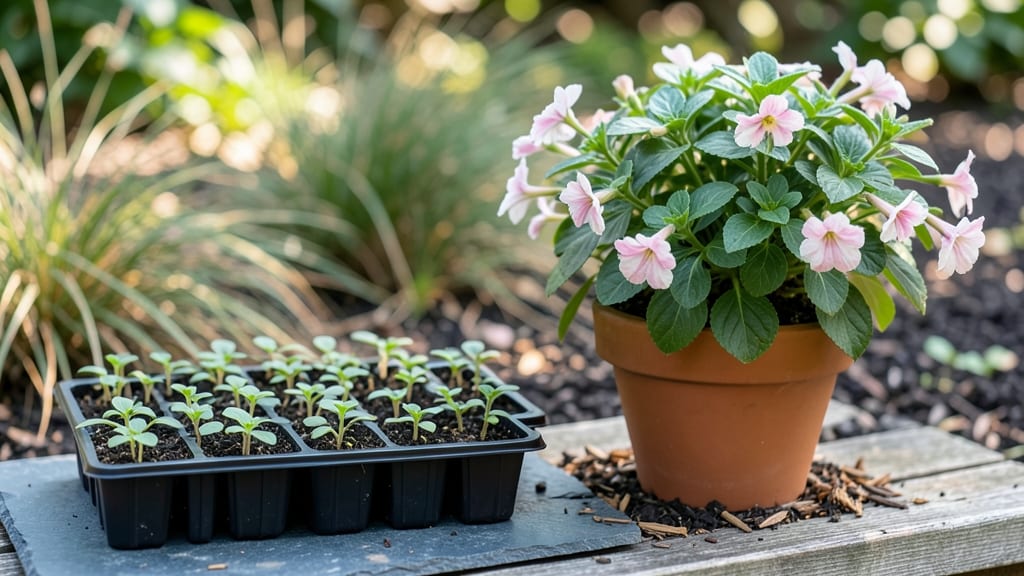
These impatient flower seeds burst into bloom faster than you can say “garden magic”—and I’ve mastered the exact timing, spot, and technique to turn your yard into a riot of color in weeks.
These seeds sprout in just 7 days, turning a blank spot into a burst of pink, red, or white within weeks.
The key to success starts with the right setup: warm soil, bright indirect light, and a humid environment. Most people overlook temperature—impatiens need soil at 70-75°F to germinate quickly.
A simple heat mat or sunny windowsill does the trick, and you’ll see those first tiny leaves push through the soil faster than you’d expect.
By week 3, you’ll have sturdy seedlings ready for transplanting, and with proper care, they’ll bloom nonstop until frost. The secret to long-lasting flowers? Pinch back leggy stems early and keep the soil moist but not soggy.
These plants are forgiving—even if you miss a watering or two, they bounce back with shocking resilience.
Perfect for shady spots, hanging baskets, or container gardens, impatiens thrive where other flowers struggle. Whether you’re filling gaps in your landscape or adding instant color to a patio, this guide will help you grow a vibrant, low-maintenance display that keeps blooming all season.
📚 In This Guide
- What you need
- Instructions
- Tips and common mistakes
- Wrapping up and next steps
What you need
- ● Impatient flower seeds: Fast-germinating variety (e.g., Super Elfin or Diamond series). Quantity: 10–20 seeds (adjust based on desired coverage).
- ● Seed-starting mix: Lightweight, well-draining potting soil (avoid garden soil—it’s too dense!). Quantity: 1–2 small seed trays (4"x6" or 10-packs).
- ● Containers: Seed trays with drainage holes (or small pots, 2–3" deep).
- ○ Optional: Biodegradable peat pots for easy transplanting.
- ● Watering can or spray bottle: Fine mist setting to avoid disturbing seeds.
- ● Plastic wrap or humidity dome: To retain moisture while seeds germinate.
- ○ Gloves (optional): Protects hands from soil and seeds.
- ● Plant labels: Mark trays with seed type and date planted.
- ● Grow lights or sunny windowsill: Impatiens thrive in bright, indirect light (6+ hours/day). LED grow lights work great if natural light is limited.
- ● Fertilizer (light dose): Water-soluble, balanced fertilizer (10-10-10)—use half-strength once seedlings sprout.
- ● Scissors or knife: For gently cutting plastic wrap if needed.
- ● Patience (but not too much!): Germination happens in 5–7 days—stay consistent with moisture.
- ○ Warmth: Ideal soil temp for germination: 70–75°F (21–24°C). A seedling heat mat (optional) speeds up the process.
- ● Space: Ensure seedlings won’t be crowded—thin to 6–8" apart later.
Instructions for growing impatient flower seeds in record time
Here’s how to get those vibrant blooms popping up in just a week—no waiting months for results.
Prepare Your Containers and Soil Mix
Use small pots or seed trays with drainage holes to prevent soggy roots. Fill each container with 2-3 inches of moistened seed-starting mix—this lightweight blend drains well while holding enough water to keep seeds happy. I like to warm the soil slightly before planting by placing the pots in a sunny window for an hour. Warmth speeds up germination, and impatient seeds love it.
Don’t pack the soil too tightly—just press it down gently so the surface is firm but still loose. The goal is to create a cozy, airy environment where tiny roots can push through easily. If the mix feels dry, mist it lightly with warm water until it’s damp but not dripping.
Plant the Seeds at the Right Depth
Impatient seeds are tiny, so I use a toothpick to create small holes—about ¼ inch deep—in the soil. Place 2-3 seeds per hole, spacing them ½ inch apart. Planting multiple seeds ensures at least one will sprout, and thinning later gives stronger plants. Cover the seeds lightly with a thin layer of soil, just enough to hide them but not bury them too deep.
Here’s the thing—these seeds need warmth to germinate fast. After planting, place the containers in a warm spot (70-75°F). A seedling heat mat works wonders, but even a sunny windowsill or a warm kitchen counter will do. Keep the soil consistently moist by misting it daily, but avoid soaking—you want dampness, not puddles.
Create the Ideal Germination Environment
Cover the containers with clear plastic wrap or a humidity dome to trap warmth and moisture. This creates a mini greenhouse effect, which impatient seeds adore. Check the soil every 1-2 days—if it feels dry at the surface, mist it lightly again. You’ll see tiny sprouts in as little as 3-4 days, but some may take up to 7 days to appear.
Once the first green shoots break through the soil, remove the plastic immediately. Too much humidity after germination can cause mold or damping-off, which will kill your seedlings overnight. Place the pots in bright, indirect light right away—direct sun can scorch those delicate new leaves.
Thin and Transplant for Stronger Growth
When seedlings reach 1-2 inches tall, use small scissors to snip the weakest ones at soil level, leaving the strongest plant in each pot. This might seem harsh, but crowded seedlings compete for nutrients and light, leading to leggy, weak stems. After thinning, water the remaining plants gently at the base to avoid disturbing their roots.
Once they’ve developed 2-3 sets of true leaves (not the first tiny seed leaves), transplant them into 4-inch pots with fresh potting mix. Handle the seedlings by their leaves, not the stems, to avoid damage. Keep them in bright, indirect light for another week before introducing them to morning sun—gradually increasing sunlight prevents shock.
Maintain for Fast, Continuous Blooms
Impatiens thrive in partial shade, so place them where they get 4-6 hours of morning sun and afternoon shade. Water when the top inch of soil feels dry, but avoid letting them sit in waterlogged soil. Deadhead spent blooms regularly to encourage more flowers—just pinch them off with your fingers or snip with clean scissors.
Fertilize lightly every 2-3 weeks with a balanced, water-soluble fertilizer diluted to half strength. Over-fertilizing leads to lush foliage but fewer blooms, and impatient flowers are all about those vibrant displays. With the right care, you’ll have colorful blooms in just a few weeks—no waiting months for results.
Tips & tricks for perfect impatient flower seed germination
Here's how to maximize your chances of those vibrant blooms appearing in record time—these little tricks make all the difference when you're racing against the clock.
Soil Warmth Matters: The hour you spend warming your soil in a sunny window before planting is critical for fast germination. Impatient seeds thrive at 70-75°F, so if your kitchen is cooler, place the pots on top of your refrigerator for 30 minutes to give them that extra warmth boost. This single step can cut your germination time by nearly half.
Precision Planting Technique: When creating those ¼-inch deep holes with your toothpick, aim for consistency—use the same depth for every seed. I've found that slightly deeper planting (up to ⅛ inch deeper) can help in cooler conditions, but never exceed ½ inch or you'll delay sprouting. The key is maintaining that delicate balance between coverage and exposure.
Humidity Management: The plastic wrap creates a greenhouse effect, but checking soil moisture every 1-2 days is crucial. If condensation forms on the plastic, your seeds are getting too much moisture—remove the plastic for 10 minutes to let excess humidity escape. This prevents the dreaded mold that can kill seedlings overnight while still maintaining the warmth they need.
Light Transition Strategy: When moving seedlings from bright indirect light to morning sun, do it gradually over 3-4 days. Start with just 1 hour of morning sun on day one, then increase by 30 minutes daily. This hardening-off period prevents the shock that can cause leaves to yellow or crisp. Think of it as sun protection for your delicate seedlings.
Pro Tips for Impatient Flower Seeds
- Here's how to maximize your chances of those vibrant blooms appearing in record time—these little tricks make all the difference when you're racing against the clock.
- Soil Warmth Matters: The hour you spend warming your soil in a sunny window before planting is critical for fast germination.
- Precision Planting Technique: When creating those ¼-inch deep holes with your toothpick, aim for consistency—use the same depth for every seed.
Frequently asked questions
Got questions about growing impatient flower seeds? You’re not alone! These fast-blooming beauties are easy to grow, but a few common concerns pop up. Here’s what you need to know to get those vibrant flowers popping up in just 7 days.
How deep should I plant impatient flower seeds?
Keep it shallow! Plant seeds just ¼ inch deep in well-draining soil. Press them gently into the soil (no need to bury them deep) and lightly cover with a thin layer of soil or compost. Too deep, and they’ll struggle to break through—too shallow, and they may dry out.
Why aren’t my impatient flower seeds germinating in 7 days?
If your seeds aren’t sprouting yet, check these three things: moisture (keep soil damp, not soggy), warmth (they love temps between 70–75°F), and light (place them near a sunny window or under grow lights). If conditions are right, they should sprout fast!
Can I grow impatient flowers indoors?
These flowers thrive indoors as long as they get bright, indirect light (a south-facing window or grow lights work best). Use a small pot with drainage holes, and keep the soil consistently moist. Just watch for pests like aphids if you’re growing them near other plants.
What’s the best way to speed up germination?
For faster sprouts, try these tricks: Soak seeds in warm water for 1–2 hours before planting, use a heat mat (70–75°F is ideal), or cover the tray with plastic wrap to trap humidity. Just remember to remove the cover once sprouts appear to prevent mold.
Are impatient flowers annuals or perennials?
Most impatient flowers (like Impatiens walleriana) are annuals, meaning they complete their life cycle in one season. However, in USDA zones 10–11, they may return as perennials if given the right conditions. If you love them, save seeds (if they produce any) or replant fresh seeds each spring!
Wrapping up and next steps
Growing impatient flower seeds is a rewarding way to add vibrant color to your space in just 7 days! These fast-germinating blooms prove that patience isn’t always a virtue—sometimes, a little speed is all you need.
Whether you’re a seasoned gardener or a beginner, these cheerful flowers bring joy and a sense of accomplishment with minimal effort.
Ready to dive in? Start with your seeds today—your garden will thank you! 🌱 For even more tips, explore our guides on care tips or creative planting ideas to keep those blooms thriving.