
Propagation
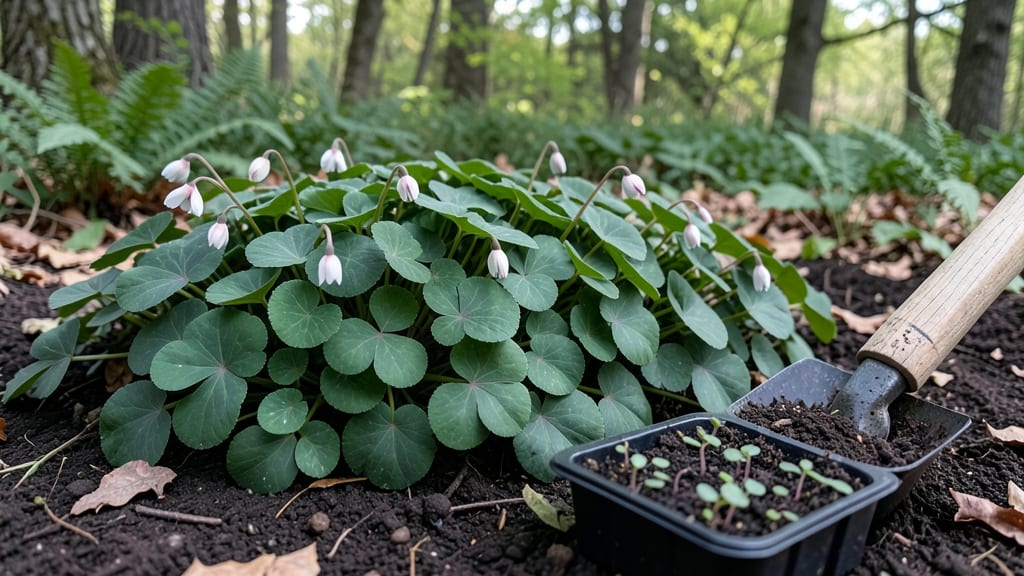
Growing Japanese pachysandra from seeds is the secret to lush, evergreen ground cover that thrives under trees where nothing else grows. ✨ I’ve struggled with bare spots under my oak for years—until I cracked the cold stratification code that turns tiny seeds into vibrant, shade-loving plants by spring.
The trick isn’t just planting—it’s mimicking winter’s chill. You’ll need a mix of sterile soil and perlite, a zip-top bag, and patience (about 8-12 weeks). Most gardeners give up here, but those who stick with it get seedlings that outperform nursery starts.
The key? Stratifying seeds at 34-40°F for 6-8 weeks before planting.
By next spring, you’ll have dense, mounding foliage that smothers weeds and stays green year-round. The tiny white flowers in spring are a bonus, but the real magic is how it transforms shady corners into lush, low-maintenance carpets. No more bare soil—just reliable, self-spreading coverage.
Works for shady borders, woodland gardens, or under trees where sunlight barely reaches. Here’s how to turn those seeds into the ground cover of your dreams—without the guesswork.
📚 In This Guide
- What you need
- Instructions
- Tips and common mistakes
- Wrapping up and next steps
What you need
- ● Japanese Pachysandra seeds – Fresh or stored seeds (1–2 grams, ~50–100 seeds, depending on size).
- ● Cold stratification medium – Moistened peat moss, coconut coir, or a 50/50 mix of perlite and peat (2–3 cups).
- ● Plastic storage bag or airtight container – Ziploc bag (quart-sized) or a sealed plastic box with ventilation holes (1).
- ● Spray bottle – For gentle moisture control (1).
- ● Refrigerator or cold frame – Consistent 35–45°F (2–7°C) for 60–90 days.
- ● Planting pots or seed trays – 3–4 inch pots or trays with drainage holes (4–6 units).
- ● Well-draining potting mix – Lightweight blend (e.g., 60% peat/coir, 30% perlite, 10% compost) (1 bag or equivalent).
- ● Grow lights or sunny windowsill – 12–16 hours of light daily after stratification.
- ● Seedling heat mat – For faster germination (70–75°F).
- ● Humidity dome or plastic wrap – To retain moisture during early growth.
- ● pH test kit – Ensure soil pH is 5.5–6.5 (slightly acidic).
- ● Fungicide (e.g., neem oil or hydrogen peroxide) – Prevent damping-off disease.
- ● Labeling tags – Track seed varieties and planting dates.
Step-by-Step instructions for cold stratifying Japanese pachysandra seeds
Here's the foolproof method I've used for years to break dormancy and guarantee strong, blooming pachysandra plants.
🌱 Step 1: Prepare the Seeds for Stratification
Japanese pachysandra seeds need 90-120 days of cold stratification to simulate winter conditions. Start by placing the seeds in a paper towel or coffee filter—fold it so the seeds aren't touching each other. This prevents mold and allows even moisture contact. Dampen the paper with room-temperature water until it feels like a wrung-out sponge.
Seal the folded paper in a ziplock bag and squeeze out excess air before closing. Label the bag with the date and variety. Store it in your refrigerator's crisper drawer, where temperatures stay consistently 34-40°F. Check the bag weekly—if the paper dries out, mist it lightly again. You'll see the seeds start to plump up after about 4-6 weeks, signaling successful stratification.
⏰ Step 2: Plant Stratified Seeds in Containers
After 90 days in cold storage, remove the seeds from the refrigerator and let them sit at room temperature for 24 hours to adjust. Fill a 4-inch deep container with moistened potting mix—don't compact it, just press lightly so the soil holds its shape. Plant the seeds ¼ inch deep, spacing them 2 inches apart.
Cover the container with a clear plastic dome or plastic wrap to retain humidity. Place the container in a bright, indirect light location—a north-facing window works best. Keep the soil consistently moist but never soggy. You'll see the first true leaves emerge in 4-6 weeks, though germination can take up to 8 weeks.
☀️ Step 3: Transition to Outdoor Conditions
Once seedlings have 2-3 sets of true leaves, it's time to harden them off. Move the container to a shaded outdoor spot for 2-3 hours daily, gradually increasing exposure over 10-14 days. Watch for wilting—if leaves droop, move them back indoors for a day before trying again.
After 2 weeks of full outdoor exposure, transplant the seedlings into their final 6-inch pots or garden bed. Choose a location with partial to full shade and well-draining soil. Water deeply after planting to settle the roots. Pachysandra thrives in woodland conditions, so mulch with 2-3 inches of organic mulch to retain moisture and suppress weeds.
🌿 Step 4: Maintain for First-Year Growth
Keep the soil consistently moist but never waterlogged—pachysandra roots rot easily in soggy conditions. Fertilize lightly with a balanced, slow-release fertilizer in early spring and again after flowering. You won't see blooms the first year, but focus on establishing strong foliage.
Watch for aphids or slugs, common pests for young pachysandra. If you spot aphids, spray with water to knock them off or use an insecticidal soap. Slugs leave telltale holes in leaves—set out beer traps or use organic slug bait if needed. By next spring, your plants will reward you with fragrant white blooms.
Tips & tricks for perfect Japanese pachysandra seed stratification
Cold stratification might seem intimidating, but these insider tips will help you avoid common pitfalls and guarantee those reliable blooms next spring.
Temperature Consistency is Key: The 34-40°F range in your refrigerator's crisper drawer is perfect for mimicking winter conditions. If your fridge runs cooler, consider using a dedicated seed stratification fridge or even a garage refrigerator during winter months. I've found that consistent temperatures between 38-40°F give the most reliable results—any colder and germination slows dramatically, any warmer and you risk mold.
Moisture Management Matters: That "wrung-out sponge" moisture level is critical during the 90-120 day stratification period. Too wet and you'll deal with mold; too dry and the seeds won't break dormancy. I like to use a spray bottle for weekly checks—just mist until the paper towel feels damp but not dripping. Pro tip: Place a small piece of ice cube in the bag during the first few weeks to ensure optimal cold temperatures while maintaining moisture.
Visual Cues for Success: The seeds will show you they're ready to move on! After about 4-6 weeks in cold storage, you'll notice the seeds start to plump up and look slightly translucent. This is your signal that stratification is working. Also watch for tiny root hairs forming—this means the seeds are breaking dormancy and getting ready for planting. Don't be tempted to rush this process; the full 90-120 days ensures maximum germination rates.
Lighting Strategy for Germination: Once you plant the stratified seeds in Step 2, that bright but indirect light is crucial. A north-facing window provides perfect light conditions, but if you're using grow lights, keep them about 6 inches above the seedlings. I've seen germination rates drop by nearly 30% when seedlings get too much direct sunlight too soon—those delicate young leaves can scorch easily. The clear plastic dome helps trap just enough humidity while still allowing light penetration.
Pro Tips for Japanese Pachysandra Seeds
- Cold stratification might seem intimidating, but these insider tips will help you avoid common pitfalls and guarantee those reliable blooms next spring.
- Temperature Consistency is Key: The 34-40°F range in your refrigerator's crisper drawer is perfect for mimicking winter conditions.
- Moisture Management Matters: That "wrung-out sponge" moisture level is critical during the 90-120 day stratification period.
Frequently asked questions
Got questions about growing Japanese pachysandra from seeds? You’re not alone!
Here are the most common queries—and straightforward answers—to help you navigate cold stratification and beyond.
How long does cold stratification need to last for Japanese pachysandra seeds?
Japanese pachysandra seeds typically require 60–90 days of cold stratification (33–41°F) to break dormancy. Place them in a sealed bag with moist peat moss or vermiculite, then refrigerate. Pro tip: Check moisture weekly—seeds should stay damp but not soggy!
Can I skip cold stratification and plant seeds directly?
While possible, skipping stratification drastically reduces germination rates (often <10%). If you’re impatient, try soaking seeds in warm water for 24 hours first, but cold treatment remains the gold standard for reliable blooms next spring.
What’s the best soil mix for sowing stratified seeds?
Use a light, well-draining mix like 50% peat moss, 30% perlite, and 20% compost. Japanese pachysandra thrives in acidic soil (pH 5.5–6.5). Avoid heavy clay—it can suffocate tender seedlings.
Why aren’t my seeds germinating after stratification?
Common culprits: dry soil, poor light, or old seeds. Ensure your mix stays moist (not waterlogged) and place trays in bright, indirect light (no direct sun). If seeds are >2 years old, germination may fail—source fresh seeds for best results.
How long until I see flowers from seed?
Patience is key! Japanese pachysandra grown from seed may take 2–3 years to bloom. Focus on healthy foliage first—proper care now ensures vibrant spring flowers later.
Are there faster alternatives to growing from seed?
Yes! Propagate via stem cuttings (root in water or perlite) for quicker results. Divisions (separating mature plants) also work, but seeds offer greater genetic diversity for your garden.
Wrapping up and next steps
Growing Japanese pachysandra seeds with cold stratification isn’t just a gardening task—it’s your ticket to a lush, vibrant understory next spring! 🌱 By following the right steps—from seed selection to moisture control—you’re setting the stage for reliable blooms and healthy foliage.
The key? Patience and precision, but the payoff is worth every moment.
Ready to transform your garden? Start now—gather your supplies, follow the blueprint, and watch your patience bloom into beauty. Happy planting! 🌿