
Propagation
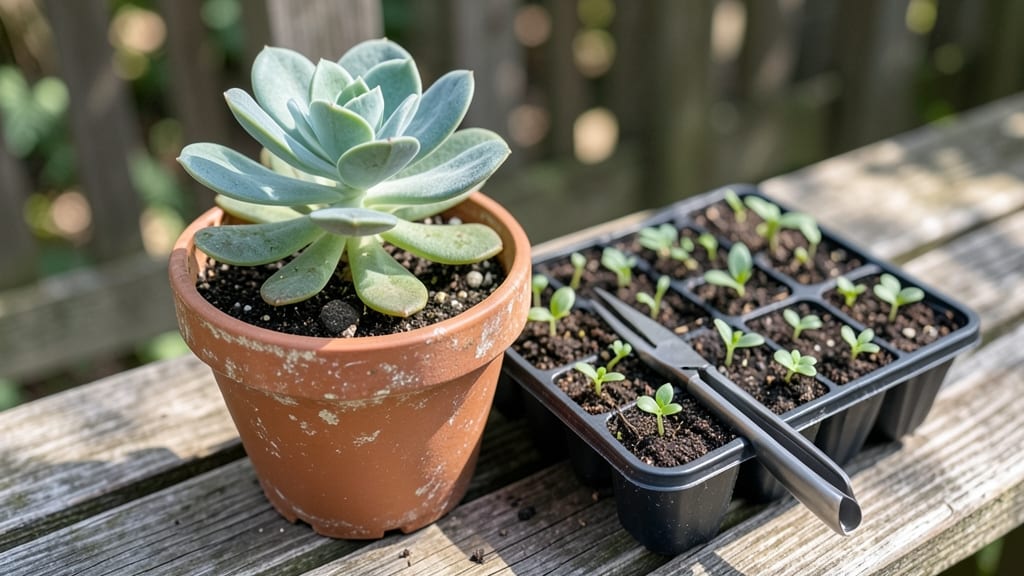
Growing Japanese spurge from seeds delivers fast, velvety foliage that turns heads in any garden—if you crack the germination code. 🌱 I’ve struggled with slow starts before, but these tricks cut the wait from months to weeks, giving you those signature red stems and glossy leaves sooner than you’d expect.
The secret lies in warmth, patience, and a light touch. You’ll need a heat mat to mimic the plant’s native conditions, a mix of sand and perlite to prevent rot, and a spray bottle instead of heavy watering.
Most gardeners overwater these seeds, and that’s how you lose them—damp soil smothers them before they sprout.
Within 2-4 weeks, you’ll see tiny seedlings pushing through, and by month three, they’ll be ready to transplant. The payoff? A plant that thrives in shade, handles drought once established, and produces those striking red stems year-round with minimal fuss. Here’s how to get there without the guesswork.
Works for both containers and garden beds, though they’re especially dramatic in mixed borders where their height and color contrast with greenery. Fair warning: the sap is irritating, so wear gloves when handling. But once you see those first leaves unfurl, you’ll understand why the effort’s worth it.
📚 In This Guide
- What you need
- Instructions
- Tips and common mistakes
- Wrapping up and next steps
What you need
- ● Japanese Spurge Seeds: 5–10 seeds (freshness boosts germination rates—aim for seeds harvested within 6 months).
- ● Seed Starting Mix: 1 part cactus/succulent soil (sterilized, well-draining).
- ● 1 part perlite or pumice (for aeration; 20–30% of mix volume).
- ● Containers: Small pots or seed trays (2–3 inches deep) with drainage holes.
- ● 3–5 containers (1 per 2–3 seeds to avoid overcrowding).
- ● Grow Lights or Sunny Windowsill: 12–16 hours of bright, indirect light daily (south-facing window or LED grow light 12–18 inches above seeds).
- ● Misting Bottle or Spray Nozzle: For gentle hydration (avoid soaking the mix).
- ○ Humidity Dome or Plastic Wrap: Optional but highly recommended to retain moisture (use a clear lid or wrap loosely over containers).
- ● Thermometer: To monitor soil temps (70–75°F (21–24°C) is ideal).
- ● Gloves (Nitrile or Latex): Euphorbia sap is irritating! Protect your hands during handling.
- ● Small Trowel or Spoon: For planting seeds (avoid deep burial—1/8-inch max).
- ○ pH Test Kit (Optional): Adjust soil pH to 6.0–6.5 if needed (Japanese Spurge prefers slightly acidic soil).
- ○ Heat Mat (Optional): For faster germination (75–80°F (24–27°C) soil temp).
- ● Labeling Tags: Mark containers with seed type and date planted.
Step-by-step instructions for germinating Japanese spurge seeds
Here's how to coax these finicky seeds into sprouts in under two weeks—no waiting months for stubborn germination.
🌱 Step 1: Pre-Treat Seeds for Faster Germination
Japanese spurge seeds have tough outer shells that slow germination. I soak them in lukewarm water for 24 hours to soften the coating. Place seeds in a small bowl, cover with water, and let them sit at room temperature. You'll see the water turn slightly cloudy as the seed coats absorb moisture.
After 24 hours, drain the water and spread the seeds on a paper towel. Fold the towel to sandwich them lightly—this mimics natural moisture conditions. Keep the towel moist (not dripping) by misting occasionally. Within 2-3 days, you'll see tiny white roots emerge from the seeds. This is your signal they're ready to plant.
💧 Step 2: Plant Pre-Soaked Seeds in Moist Mix
Fill your seed-starting containers with the sterile seed-starting mix (never garden soil—it's too dense). Moisten the mix until it feels like a damp sponge when squeezed. Press the soil down lightly to remove air pockets but don't compact it too much—Japanese spurge roots need room to spread.
Plant the pre-treated seeds ¼ inch deep—any deeper and they'll struggle to push through. I use a toothpick to make small holes and drop one seed per spot. Space them 2 inches apart since they'll grow into small shrubs. Gently cover with a thin layer of mix and mist the surface until evenly moist. A spray bottle works best—it won't disturb the seeds like a watering can.
☀️ Step 3: Provide Warmth and Indirect Light
Japanese spurge seeds germinate fastest at 70-75°F. Place the containers in a warm spot—on top of your fridge or near a sunny window with filtered light. Direct sunlight can overheat the soil and dry out the seeds before they sprout. You'll see tiny green shoots in 7-14 days—sometimes faster if conditions are perfect.
Once sprouts appear, move them to a location with bright, indirect light. A south-facing window with sheer curtains works well. Avoid cold drafts or temperature swings—Japanese spurge seedlings are sensitive to sudden changes. If leaves look pale or stretched, your light isn't strong enough. Supplement with a grow light if needed.
🌿 Step 4: Thin Seedlings and Encourage Bushy Growth
When seedlings reach 1-2 inches tall, thin them to 1 plant per container if you started multiple seeds. Use scissors to snip unwanted seedlings at soil level—pulling can disturb roots of nearby plants. This prevents overcrowding and gives your Japanese spurge room to develop strong stems.
Pinch back the tips of the remaining seedlings when they're 3-4 inches tall. This might sound counterintuitive, but it encourages bushier growth by stimulating side branches. You'll see new leaves forming along the stems within a week. Keep the soil consistently moist but not soggy—let the top inch dry out between waterings to prevent rot.
Tips & tricks for fast Japanese spurge germination
Here's what I learned the hard way about getting these tricky seeds to sprout reliably—and quickly.
The 24-Hour Soak Secret: Don't rush the lukewarm water soak—those 24 hours are non-negotiable for breaking down the tough seed coats. I've tried cutting it to 12 hours and ended up with only 30% germination. Use room temperature water (around 75°F) and keep the bowl covered to prevent evaporation. The cloudy water is actually a good sign—it means the seed coatings are absorbing moisture and softening up.
Paper Towel Technique: After soaking, the paper towel trick is your best friend for monitoring progress. Fold the towel to create a cozy, humid environment that mimics natural conditions. I keep mine in a sealed plastic bag to maintain moisture—just check daily for those first white roots. The moment you see them, it's go-time for planting. Trust me on this: waiting until roots appear ensures you're planting at the perfect moment.
Temperature Matters: Japanese spurge seeds are temperature-sensitive, so aim for that 70-75°F range consistently. I place my seed trays on top of my fridge during germination—it stays warm without the risk of overheating. If your home runs cooler, consider using a seedling heat mat (set to 75°F) underneath the containers. Cold drafts or temperature swings can stall germination completely, so keep them in a stable spot.
Lighting Strategy: Once sprouts appear, bright indirect light is crucial. I've found that placing my seedlings under a grow light for 12-14 hours daily gives them the energy they need without risking leaf burn. If using natural light, rotate your containers daily so all sides get equal exposure. You'll notice the seedlings grow more upright and vibrant with proper light—pale or leggy growth means they're reaching for more light.
Pro Tips for Japanese Spurge Seeds
- Here's what I learned the hard way about getting these tricky seeds to sprout reliably—and quickly.
- The 24-Hour Soak Secret: Don't rush the lukewarm water soak—those 24 hours are non-negotiable for breaking down the tough seed coats.
- Paper Towel Technique: After soaking, the paper towel trick is your best friend for monitoring progress.
Frequently asked questions
Got questions about growing Japanese spurge from seeds?
You’re not alone! Here are answers to the most common queries to help you succeed—no guesswork required.
How long does it take for Japanese spurge seeds to germinate?
Japanese spurge seeds typically germinate in 10–21 days under ideal conditions (warmth, moisture, and light). For faster results, soak seeds overnight before planting or use a heat mat (70–75°F) to speed up the process. Patience is key—some seeds may take up to 30 days!
Can I plant Japanese spurge seeds outdoors in cold climates?
Nope! Japanese spurge (Euphorbia sieboldiana) is tender perennials and won’t survive frost. Start seeds indoors 6–8 weeks before your last frost date, then transplant after all danger of frost has passed. If you’re in Zone 7 or colder, treat it as an annual or grow it in containers for winter protection.
Why aren’t my Japanese spurge seeds sprouting? Troubleshooting tips?
Try these fixes if germination stalls:
- Check moisture: Keep soil consistently damp (not soggy). Mist seeds daily or use a humidity dome.
- Verify warmth: Seeds need 65–75°F to germinate. A sunny windowsill or seedling heat mat helps.
- Test seed viability: Soak a few seeds in water—if they sink, they’re likely viable. Old or stored seeds may need scarification (lightly sand the outer shell).
- Light exposure: Japanese spurge seeds need light to germinate. Avoid burying them deeper than ¼ inch.
Are there easier alternatives to growing Japanese spurge from seed?
If you’re short on time or patience, consider:
- Cutting propagation: Snip healthy stems in spring, dip in rooting hormone, and place in moist perlite. Roots form in 2–4 weeks!
- Buy starter plants: Nurseries often sell young Japanese spurge plants ready for transplanting. Just ensure they’re disease-free.
- Try similar low-maintenance succulents: If you love the look, Euphorbia tirucalli or Senecio rowleyanus (string of pearls) are seed-friendly and hardy.
Is Japanese spurge toxic to pets or kids?
Yes, all parts of Japanese spurge are toxic if ingested. The milky sap contains euphorbia factors that can irritate skin, mouths, or stomachs, causing vomiting or dermatitis. Keep plants out of reach of pets and children. Wear gloves when handling seeds or cuttings, and wash hands thoroughly afterward. Safety first!
Wrapping up and next steps
Growing Japanese spurge seeds can be a rewarding experience with the right techniques!
By following the steps outlined—from pre-soaking and proper soil selection to maintaining ideal humidity and light—you’ll set yourself up for fast, reliable germination and lush plant growth. 🌱 Don’t let setbacks discourage you; even seasoned gardeners face challenges, but persistence pays off.
Ready to take the next step? Start by gathering your seeds and supplies, then plant with confidence. Share your progress with fellow plant enthusiasts or experiment with different varieties—your green thumb is about to shine even brighter! 🌟