
Flowers
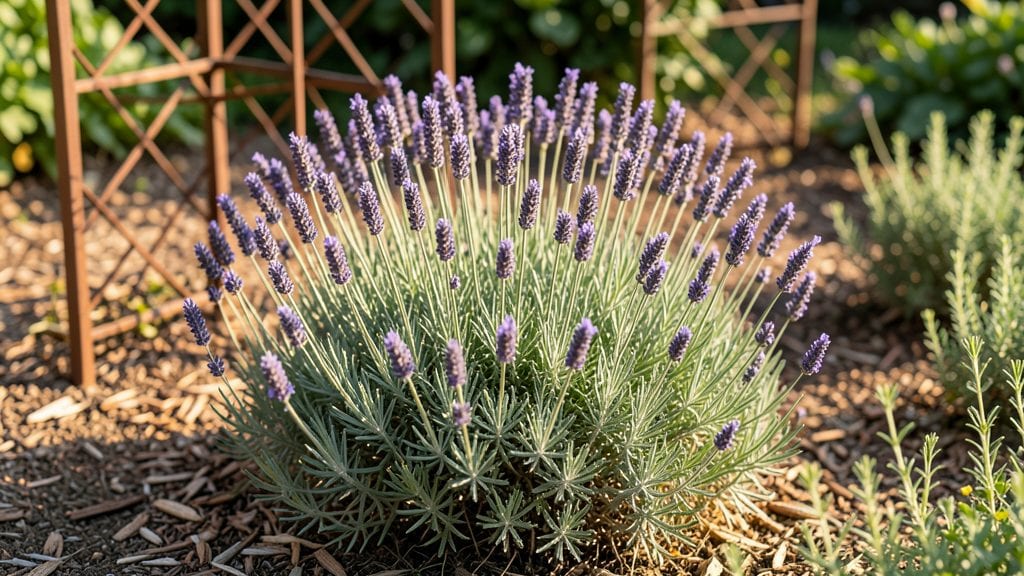
Mastering lavender seedling identification is key—those fuzzy stems aren’t always what they seem, and years of disappointment could follow if you misjudge them. I’ve pulled up what I thought were lavender seedlings only to find wild mint or creeping Charlie masquerading as the real deal.
The key lies in the leaves: true lavender seedlings have narrow, pointed gray-green leaves with a soft fuzz, while weeds often have smoother, broader shapes.
Most beginners make the mistake of judging plants by their stems alone—lavender’s woody, square stems only appear in mature plants, not seedlings. Instead, focus on the leaf arrangement: lavender’s grow in opposite pairs along the stem, while weeds like lamb’s quarters have random, single leaves.
A quick sniff test helps too—real lavender smells like lavender, even as a seedling.
Once you’ve confirmed it’s the real thing, give those seedlings the right care: well-draining soil, 6+ hours of sun daily, and water only when the top inch feels dry. Overwatering is the fastest way to kill young lavender, so let the soil dry between waterings.
Within a few months, you’ll see those signature lavender buds forming, and you’ll know you’ve got the genuine article.
This works for both English and French lavender varieties, though French lavender seedlings grow slightly faster. If you’re still unsure, snap a photo and compare it to the reference images in the next section—no guesswork needed. Here’s how to keep them thriving once you’ve got them identified correctly.
Common Causes of Lavender Seedling Confusion
Identifying lavender seedlings can be tricky, especially when they’re still young and their defining traits haven’t fully developed. Misidentification often stems from a mix of natural growth patterns, environmental factors, and human error.
Below, we break down the most common reasons why lavender seedlings might look unfamiliar—or even get mixed up with other plants—and how to address them.
Lavender seedlings don’t instantly sprout with the signature silver-gray foliage and square stems of mature plants. In their earliest stages, they can resemble other herbs or even weeds, leading to confusion.
- Why it happens: Young lavender leaves are often green (not silvery) and rounder in shape, mimicking plants like rosemary or even mint. Their stems may also appear thin and wiry rather than the thick, square stems of mature lavender.
- Science behind it: Lavender’s trichomes (tiny hair-like structures on leaves) develop over time, giving it that iconic silver hue. Without them, seedlings blend in with other herbs.
- Actionable tip: Wait until seedlings have 3-4 sets of true leaves (not just the initial seed leaves) before attempting identification. Look for opposite branching—a key lavender trait—even in early stages.
Drought, poor soil, or extreme temperatures can alter a lavender seedling’s appearance, making it harder to recognize. Stress often triggers unusual leaf shapes or stunted growth, which can fool even experienced gardeners.
| Stressor | How It Affects Seedlings | Fix It |
|---|---|---|
| Overwatering | Leaves turn yellow or mushy, stems soften, and roots rot. Seedlings may develop irregular, wilted shapes. | Ensure well-draining soil (lavender hates soggy roots) and water only when the top inch of soil is dry. |
| Undertwatering | Leaves curl inward or turn brown and crispy, mimicking drought-stressed herbs like thyme. | Water deeply but infrequently—lavender prefers dry conditions once established. |
| Temperature Extremes | Cold snaps cause purple-tinged leaves or stunted growth, while heat stress leads to bleached or scorched tips. | Plant in full sun (6+ hours/day) and protect from frost until seedlings are at least 4 inches tall. |
If you’re growing multiple lavender varieties—or even other herbs—seedlings might inherit traits from neighboring plants, creating a hybrid or unexpected look. This is especially common with English lavender (Lavandula angustifolia) and Spanish lavender (Lavandula stoechas), which can cross-pollinate.
- Why it happens: Lavender is not self-pollinating; bees and wind transfer pollen between plants. If two different lavender types grow nearby, seedlings may have mixed leaf shapes, colors, or growth habits.
- Science behind it: Hybrid seedlings can exhibit intermediate traits, such as broader leaves (like rosemary) or unusual flower spikes.
- Actionable tip:
- Isolate lavender varieties by at least 10 feet if breeding intentionally.
- If unsure, test leaves: Crush a leaf—true lavender smells aromatic and slightly camphor-like, while hybrids may have a milder scent.
Pests like aphids, spider mites, or lavender lace bugs can distort seedlings, making their leaves puckered, discolored, or stunted. Fungal diseases (e.g., powdery mildew) can also alter leaf texture and color.
Key signs of trouble:
- Sticky residue (honeydew) on leaves = aphids or scale insects.
- White webbing = spider mites.
- Black sooty mold on leaves = sap-sucking pests.
- Yellow spots or powdery white coating = fungal infection.
Prevention: Use neem oil or insecticidal soap on seedlings (avoid harsh chemicals). Ensure good air circulation to prevent fungal spread.
Pro Tip: 💡 Keep a seedling journal! Note leaf shapes, stem thickness, and growth speed from day one. Over time, you’ll spot patterns that confirm (or rule out) lavender.
Quick Fixes for Lavender Seedling Confusion
Got tangled in lavender seedling mix-ups? Don’t stress—these practical, step-by-step solutions will help you spot the real deal (and weed out the fakes) fast. Whether you’re battling misidentified seedlings, slow growth, or just unsure what to look for, these fixes are your go-to guide.
Problem: You’ve got a tray of tiny green sprouts, but none seem to match classic lavender traits (narrow leaves, woody stems).
Fix It:
- 🌱 Pull and Compare: Gently uproot 1–2 seedlings and examine the root structure. True lavender has fibrous, shallow roots (not a single thick taproot like rosemary or sage).
- 🍃 Leaf Test: Rub a leaf between your fingers. Lavender leaves are soft, fuzzy, and slightly aromatic (smell like perfume!). Smooth or spiky leaves? Probably not lavender.
- 📏 Measure Growth: Lavender seedlings grow slowly—if yours are shooting up like weeds, they’re likely mint, basil, or another fast grower.
Prevention Tip: 💡 Start with certified lavender seeds from reputable nurseries (like Heritage Seeds or Baker Creek). Avoid "mystery seed mixes" from random sources—they’re a gamble!
Problem: Your seedlings have the right shape but are yellowing, leggy, or stunted.
Fix It:
- 🌞 Light Check: Lavender needs 6+ hours of sunlight daily. If they’re stretching toward a window, move them to a south-facing spot or use grow lights (12–14 hours/day).
- 💧 Water Wisdom: Overwatering = root rot. Water only when the top inch of soil is dry—lavender hates soggy feet!
- 🌡️ Temperature Tweaks: Keep seedlings in 60–75°F zones. Too cold? They’ll grow sluggish. Too hot? Wilting may occur.
Pro Tip: ✨ Hardening Off is key! Before transplanting, acclimate seedlings to outdoor temps over 7–10 days—start with 1 hour outside, then gradually increase time.
Problem: Tiny holes in leaves, white fuzz, or black spots—lavender seedlings are under siege!
Fix It:
| Issue | Signs | Solution |
|---|---|---|
| Aphids | Sticky leaves, curled growth | Spray with soapy water (1 tsp dish soap + 1L water) or neem oil. |
| Powdery Mildew | White dust on leaves | Increase airflow, spray with baking soda mix (1 tsp baking soda + 1 quart water + drop of soap). |
| Spider Mites | Tiny webs, yellow speckles | Wipe leaves with rubbing alcohol (70% isopropyl) or introduce ladybugs. |
| Fungal Rot | Black/mushy stems, wilting | Remove infected plants, repot in sterile, well-draining soil, and reduce watering. |
Prevention Tip: 🌡️ Space seedlings 6–8 inches apart to prevent humidity buildup (fungus loves damp conditions).
Problem: Your seedlings survived but struggled after moving to soil—wilting, yellow leaves, or no growth.
Fix It:
- 🌱 Soil Swap: Lavender hates rich soil. Mix 50% cactus/succulent soil + 50% perlite/pumice for drainage.
- 🌿 Prune Carefully: Snip 1/3 of the top growth to encourage bushier, stronger stems.
- 🚫 Avoid Fertilizer: Lavender doesn’t need feeding—too much nitrogen = weak, leafy growth (no flowers!).
Pro Tip: ⏰ Best transplant time is spring or early fall—avoid extreme heat or frost.
Before you commit to calling them "lavender," run this quick ID test:
- Leaves: Narrow, gray-green, fuzzy ✅ / Broad or smooth ❌
- Stem: Woody, square, and slightly hairy ✅ / Soft or round ❌
- Smell: Strong floral scent when crushed ✅ / Mild or no smell ❌
- Growth Habit: Slow, bushy, drought-tolerant ✅ / Fast, sprawling, or water-loving ❌
Still unsure? Snap a photo and compare it to this lavender seedling gallery for side-by-side clues.
Remember: Patience is key—lavender seedlings take 6–12 months to mature. If yours are still looking "off," give them time or start fresh with new seeds from a trusted source. Happy growing! 🌿💜
Frequently asked questions
How can I tell if my tiny green sprouts are actually lavender seedlings?
Look for narrow, fuzzy leaves growing in opposite pairs along the stem. True lavender seedlings also have fibrous roots and a faint floral scent when leaves are crushed. If they’re growing fast or have smooth leaves, they’re likely weeds like mint or basil.
Why do my lavender seedlings look nothing like mature lavender plants?
Young lavender leaves are often green and rounder before developing the signature silver fuzz. Their stems are also thin and wiry—not the thick, square stems of mature plants. Wait until they have 3-4 sets of true leaves before judging.
Can I still save seedlings that look like weeds but smell like lavender?
Yes! If they pass the leaf texture (fuzzy) and aroma test (crush a leaf to check), they’re likely lavender. Give them well-draining soil and full sun—they’ll develop proper traits as they mature. Just avoid fertilizing, as lavender dislikes rich soil.
What’s the fastest way to confirm lavender seedlings vs. other plants?
Use the 3-second sniff test: Crush a leaf—real lavender has a strong floral scent. For visual confirmation, check for opposite leaf arrangement (not alternating like mint) and hairy stems. Compare with trusted reference images if unsure.