Propagation
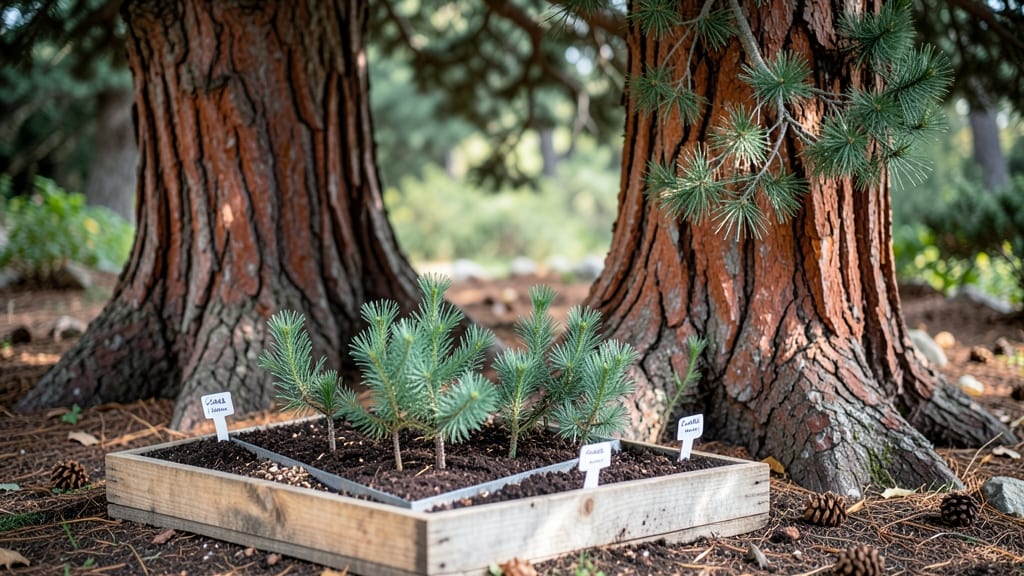
Lebanese cedar seeds thrive with cold stratification for 60-90 days, followed by sowing in well-draining, acidic soil mix at 60-70°F. Keep humidity high, avoid overwatering, and expect germination in 30-60 days with patience and consistent moisture.
These seeds need a simulated winter chill to break their natural dormancy—just like their wild counterparts in Lebanon's mountainous regions. 🌱 The stratification process mimics the cold, moist conditions they'd encounter in nature, priming them for faster sprouting once temperatures warm.
I've found that using a mix of damp peat moss and sand in a sealed container works best, with occasional checks to prevent mold. Once stratified, the acidic soil mix (think 60% peat, 30% perlite, 10% sand) creates the perfect environment for those delicate seedlings to take root.
What many growers overlook is the balance between moisture and airflow—too much water drowns the seeds, while too little stalls germination. A humidity dome or plastic wrap over the container helps maintain that delicate equilibrium.
Patience is key here: those first green shoots might take weeks to appear, but once they do, they signal the start of a rewarding journey toward a majestic cedar tree.
💡 In This Article
- Cold Stratification Secrets for Lebanese Cedar Germination
- Optimal Soil and Care for Growing Lebanese Cedar Seedlings
Cold stratification secrets for Lebanese cedar germination
Here's what's actually happening during cold stratification: Lebanese cedar seeds enter a natural dormancy period in their native mountainous habitats, where freezing temperatures and high humidity signal the perfect time to break dormancy.
This process mimics those conditions by exposing seeds to 33-40°F temperatures for 60-90 days, which triggers internal biochemical changes. The cold breaks down growth-inhibiting hormones like abscisic acid while activating enzymes that prepare the seed for germination.
Think of it like waking a hibernating animal—gradual exposure to cold primes the seed without shocking it.
The moisture level during stratification is critical—too dry and the seeds won't activate, too wet and they'll rot. I've found that maintaining 50-60% moisture in the stratification medium (like damp peat moss) creates the ideal balance.
This moisture level keeps the seed coats pliable enough to absorb water while preventing anaerobic conditions that would suffocate the seeds. You'll know you've got it right when the seeds feel like a wrung-out sponge: damp but not dripping.
The humidity also helps prevent the seed coats from drying out during the cold period.
What most people don't realize is that the stratification duration can vary based on seed age and storage conditions. Fresh seeds from this season might only need 60 days of cold treatment, while older seeds could require up to 90 days.
The key is consistency—fluctuating temperatures or moisture will confuse the seeds and delay germination. I recommend using a refrigerator's crisper drawer (where temps hover around 38°F) with occasional checks to ensure the medium stays evenly moist.
Signs of successful stratification include slightly swollen seed coats and a faint green tint when you crack one open—these indicate the seed's internal machinery is revving up for growth.
Temperature variations within the stratification period can actually help. A brief warming period (50-55°F for 1-2 weeks midway through) can simulate natural spring conditions and further stimulate germination. This mimics Lebanon's climate where seeds experience alternating cold snaps and warmer periods before spring planting.
The science here involves photoperiodism—the seeds respond to these temperature shifts as cues that winter is ending. Just be careful not to let the seeds warm above 60°F during stratification, as this can trigger premature germination before they're ready.
One advanced technique worth trying is "stratification with light exposure." After 45 days of cold treatment, transfer the seeds to a bright, cool location (50°F) for 2 weeks before completing the stratification.
This light exposure helps break dormancy more effectively by stimulating the seed's embryonic leaves to begin photosynthesis. You'll notice the seeds develop a slightly firmer texture and may even show tiny root hairs when you check them under good light.
This method can shave 10-15 days off your total germination time.
The payoff for proper stratification comes when you sow the seeds—they'll germinate with remarkable reliability compared to untreated seeds. The cold treatment has essentially "prepped" the seeds by breaking down their protective dormancy barriers, so they'll respond more quickly to warm soil conditions.
This is why professional cedar growers swear by stratification—it's the difference between waiting months for sporadic germination and seeing your first green shoots appear within 30-60 days of planting. The secret lies in patience and precision during that cold period.