
Aphids
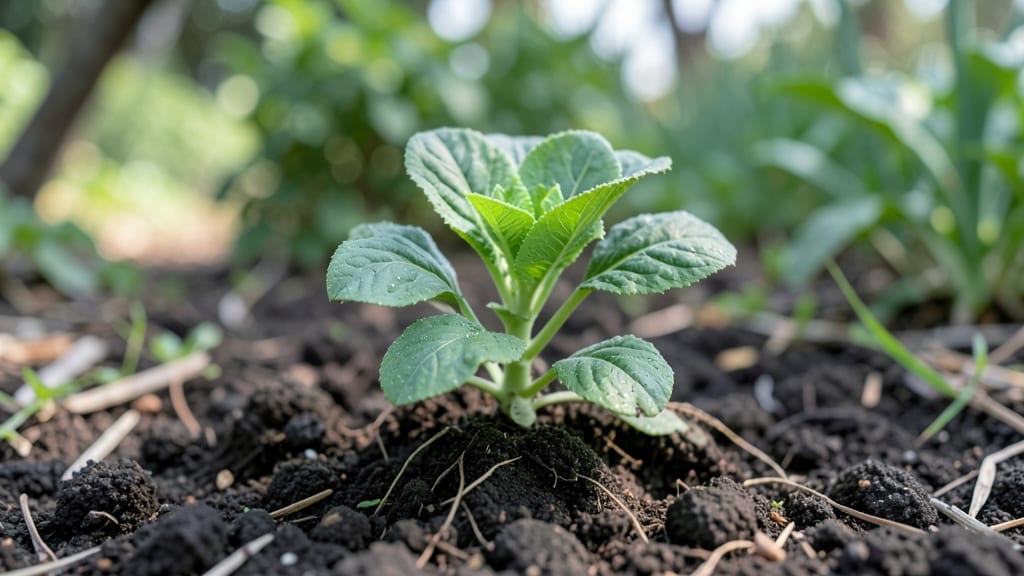
Mastering lettuce seedling identification early on can spare you the heartbreak of yanking out that lacy green you thought was a weed—only to find it’s your heirloom buttercrunch. 🌱 The first few weeks are critical, and knowing the subtle differences between varieties (like looseleaf’s jagged edges versus romaine’s upright stems) makes all the difference in your harvest.
Start by comparing leaf shape and growth habit: butterhead forms soft, rounded heads, while leaf lettuce sprawls with broad, ruffled edges. Check the color too—healthy seedlings should be vibrant green, not yellowing or purple-tinged, which signals stress or pests.
A quick 10-second inspection at this stage avoids weeks of wasted effort later.
You’ll spot problems early: damping-off (blackened stems at soil level) or aphids (sticky residue on leaves) mean immediate action. But when seedlings look strong, you’re on track for crisp, homegrown greens in just 4-6 weeks.
The key is catching issues before they spread—so grab a magnifying glass and get familiar with what your specific varieties should look like.
This works for any lettuce type, from quick-maturing varieties like ‘Black Seeded Simpson’ to slower-growing romaine. If you’re ever unsure, snap a photo and compare it to trusted sources—most seed packets include seedling photos that are surprisingly accurate. Confidence at this stage means fewer surprises later.
📚 In This Guide
- What you need
- Instructions
- Tips and common mistakes
- Wrapping up and next steps
What you need
- ● Lettuce seedlings – Fresh or store-bought, ideally from 3–6 varieties (e.g., romaine, butterhead, leaf lettuce, oakleaf, or looseleaf) for comparison.
- ● Magnifying glass or loupe – A 10x magnification tool helps spot subtle differences in leaf shape, texture, and vein patterns.
- ● Ruler or measuring tape – For gauging seedling height (typically 2–6 inches tall for accurate ID).
- ● Notebook or smartphone – To sketch leaf shapes, note colors, and jot down observations.
- ● Printed or digital reference guide – Use our visual ID chart (or a trusted gardening book like “The Vegetable Gardener’s Bible”).
- ○ Gloves (optional but recommended) – Protect your hands from sap (especially if handling aphid-prone seedlings).
- ● Grow light or bright lamp – Enhances visibility for examining leaf details under even lighting.
- ● Camera with macro setting – Capture close-ups of leaf edges, stems, and undersides for later review.
- ● Aphid identification kit – If seedlings show signs of pests (e.g., sticky residue, curled leaves), include a hand lens and soapy water spray for quick checks.
- ● Seed packets or labels – If you’re growing your own, keep original packaging handy for variety confirmation.
How to identify lettuce seedlings in 5 simple visual checks
Skip the guesswork with these foolproof methods—your seedlings will reveal their variety within days.
🌱 Step 1: Examine Leaf Shape for the First Clue
Lettuce seedlings reveal their mature form early through leaf shape. Butterhead varieties show rounded, slightly crinkled leaves from the start, while romaine displays long, narrow leaves with pointed tips almost immediately. Leaf shape is the fastest way to distinguish between types—just hold a seedling up to natural light and compare the edges.
Here's the thing—leaf shape changes slightly as plants mature, but the basic outline stays consistent. For example, loose-leaf types like Black Seeded Simpson have broad, irregularly shaped leaves with serrated edges, while crisphead varieties like Iceberg start with smooth-edged, spoon-shaped leaves that'll eventually form a tight head.
🌿 Step 2: Check Growth Pattern and Stem Thickness
The way seedlings grow vertically tells you their ultimate size. Butterhead and romaine seedlings grow taller and more upright early on, signaling they'll form heads. In contrast, loose-leaf varieties stay low to the ground with bushy growth—their stems rarely exceed 6-8 inches in height.
Pay attention to stem thickness too. Head-forming lettuces develop sturdier stems within two weeks, while loose-leaf types remain slender. This difference becomes obvious when you gently pinch the stem—head varieties feel noticeably firmer. I've found this check prevents me from accidentally pulling up my prized romaine seedlings when they're still tiny.
☀️ Step 3: Observe Leaf Color and Texture
Color gives away heat tolerance. Heat-tolerant varieties like Jericho and Simpsons Leaf show deep green leaves with slight red or bronze tinges from day one, while cold-hardy types like Winter Density remain pale green to yellow-green. The color difference appears within 5-7 days of germination.
Texture matters too. Crisphead varieties develop smooth, almost waxy leaf surfaces early, while loose-leaf types have rougher, more textured leaves. Run your fingers over the seedlings—you'll feel the difference immediately. This is especially useful when distinguishing between butterhead and romaine, as both can look similar at first glance.
⏰ Step 4: Watch for Early Heading Signs
Head-forming lettuces show their true nature by 3-4 weeks when you'll spot tightening leaf bases and upward-curling outer leaves. Butterhead varieties form soft, rounded heads with leaves that overlap like shingles, while romaine develops longer, more cylindrical heads with upright leaves.
Don't wait until heads are obvious—by then, you've missed the prime transplant window. Look for the first signs of leaf curling at the base. This is your signal to give head varieties more space between plants, as they'll need 12-18 inches of growing room to develop properly.
✂️ Step 5: Verify with Seed Packet Cross-Referencing
Compare your seedlings to the seed packet illustrations (if available) or trusted online variety guides. Most reputable seed companies include seedling stage photos that show exactly what to look for. I keep printed copies near my seed trays to avoid mix-ups.
Real talk: Even with perfect identification, some varieties like oakleaf lettuce can look deceivingly similar to butterhead until they mature. When in doubt, label your seedlings with variety names and dates. This simple habit saves headaches when it's time to harvest—you'll know exactly which plants to pick first for the freshest salad greens.
Tips & tricks for quick lettuce seedling identification
These visual shortcuts will help you confidently distinguish between lettuce varieties in minutes—no guesswork required.
Lighting Matters: Always examine seedlings in natural daylight or under a bright lamp. Artificial light can distort colors and textures, making it harder to spot subtle differences like the slight red or bronze tinges in heat-tolerant varieties mentioned in Step 3. I've made the mistake of checking seedlings under dim indoor lighting and missed crucial color clues that would have helped me identify Jericho lettuce early on.
Texture Test: The texture difference between crisphead and loose-leaf varieties becomes obvious when you run your fingers along the leaves. For crisphead seedlings like Iceberg, look for that smooth, almost waxy surface mentioned in Step 3—it's like feeling a polished stone. Loose-leaf types will feel rougher, almost like crumpled paper. This tactile check is especially useful when seedlings are still tiny and leaf shape isn't distinctive yet.
Time-Saving Tip: Focus first on the most distinguishing features for each variety. For butterhead vs. romaine, prioritize leaf shape (Step 1) and growth pattern (Step 2). For heat-tolerant vs. cold-hardy varieties, check color (Step 3) within those first 5-7 days of germination. This targeted approach saves you from examining every detail when just 2-3 key observations will give you the answer you need.
Labeling System: Create a simple labeling system using toothpicks and masking tape. Write the variety name and date on each seedling tray section. I use different colored tape for head-forming vs. loose-leaf varieties to instantly see which seedlings need more space when it's time to transplant. This visual organization prevents mix-ups and makes your garden management feel effortless.
Pro Tips for Lettuce Seedling Identification
- These visual shortcuts will help you confidently distinguish between lettuce varieties in minutes—no guesswork required.
- Lighting Matters: Always examine seedlings in natural daylight or under a bright lamp.
- Texture Test: The texture difference between crisphead and loose-leaf varieties becomes obvious when you run your fingers along the leaves.
Frequently asked questions
about lettuce seedling identification can help you troubleshoot early and grow healthier plants. Here are some common queries:How do I tell if my lettuce seedlings are healthy?
Healthy lettuce seedlings have bright green, firm leaves with no yellowing (chlorosis) or wilting. Check for strong stems and no pests like aphids or slugs. If leaves are pale or mushy, it may signal overwatering, poor soil, or disease.
When should I expect true leaves to appear on lettuce seedlings?
True leaves (the second set after the initial "seed leaves") typically emerge 7–14 days after germination. They’ll look larger, more complex, and resemble mature lettuce leaves. If they’re late, ensure your seedlings have adequate light and warmth (60–75°F).
What if my lettuce seedlings look like weeds?
Compare them to your planted variety’s reference photos (check seed packets). True lettuce seedlings have round, serrated, or lobed leaves, while weeds often have narrow, jagged, or hairy leaves. Thin seedlings early to avoid confusion—weeds compete for nutrients!
Can I identify lettuce varieties just from seedlings?
While seedlings share similar early traits, leaf shape and growth habits can hint at varieties:
- Looseleaf: Irregular, crinkled edges.
- Romaine: Long, upright stems with pointed tips.
- Butterhead: Soft, rounded leaves forming a rosette.
- Leaf lettuce: Frilly, overlapping leaves.
What do aphids or other pests look like on young lettuce seedlings?
Aphids are tiny (1/16"), green, black, or white insects clustered on undersides of leaves. Other pests include:
- Slugs/snails: Slimy trails and chewed leaves.
- Fungus gnats: Fuzzy mold on soil (check for larvae).
- Cutworms: Ragged stems near the base.
Wrapping up and next steps
Mastering lettuce seedling identification is your first step toward a thriving garden! 🌱 Whether you're growing crisp romaine, fluffy butterhead, or robust romaine, recognizing seedlings early ensures healthy plants and bountiful harvests. Now that you’re equipped with visual cues and tips, it’s time to put your knowledge into action.
Ready to start? Plant those seedlings with confidence—and don’t forget to monitor them closely for pests like aphids (yes, we’ve got you covered!). Happy growing! 🌿