Flowers
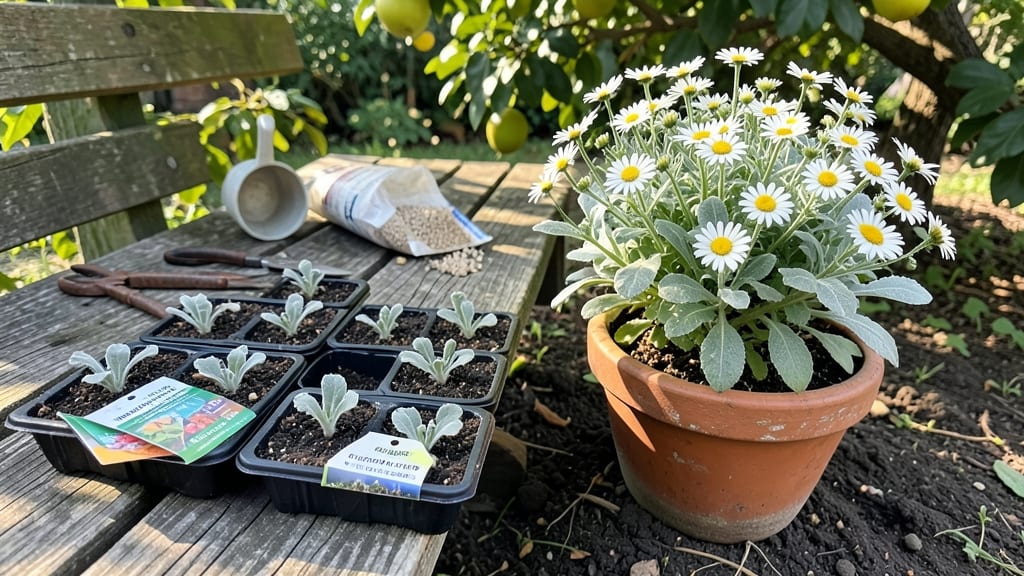
Growing marguerite flower seeds to showy blooms is one of those gardening triumphs that makes you feel like a real plant whisperer. 🌻 I’ve watched these delicate daisy-like flowers transform my garden from ordinary to eye-catching, and the best part?
You can start from tiny seeds in just a few months. The secret lies in timing, soil, and a little patience—no fancy equipment needed.
You’ll need a sunny spot with at least 6 hours of light daily, well-draining soil mixed with compost, and a flat tray or small pots for starting seeds indoors.
Most gardeners plant marguerite seeds indoors in late winter (around February) so they’re ready to transplant outside after the last frost. These flowers love warmth but hate soggy roots, so balancing moisture is key—think damp, not drenched.
By June or July, you’ll be rewarded with clusters of cheerful blooms in shades of white, pink, or yellow that last for weeks. The flowers attract butterflies and bees, turning your garden into a buzzing, colorful oasis.
Just watch for aphids and powdery mildew—they’re the two biggest villains—but a quick spray of soapy water usually keeps them at bay.
Once established, marguerites are low-maintenance and self-seed easily, meaning you’ll have even more blooms next year. The first year is all about getting the basics right, but after that? These flowers practically grow themselves. Ready to dive in and see your garden come alive with these cheerful blooms?
📚 In This Guide
- What you need
- Instructions
- Tips and common mistakes
- Wrapping up and next steps
What you need
- ● Marguerite flower seeds: 1–2 packets (100–200 seeds per packet, non-GMO preferred for best results).
- ● Seed-starting trays or small pots: 2–4 (3–4 inches deep, with drainage holes).
- ● Seed-starting mix: 1–2 bags (lightweight, sterile, and well-draining—avoid garden soil).
- ● Grow lights or sunny windowsill: 1 (12–16 hours of light daily, 6–8 inches above seedlings).
- ● Watering can or spray bottle: 1 (with a fine mist setting to avoid disturbing seeds).
- ● Plastic wrap or humidity dome: 1 (to retain moisture during germination).
- ● Fertilizer (balanced, water-soluble): 1 bottle (5-10-5 or 10-10-10 NPK ratio, diluted to half-strength).
- ● Transplanting pots or garden bed: 1 (6-inch pots or prepared soil bed with compost for mature plants).
- ● pH test kit (ideal soil pH: 6.0–7.0 for marguerites).
- ● Heat mat (for faster germination in cooler climates).
- ● Stakes or cages (to support tall varieties like Argyranthemum).
- ● Organic mulch (e.g., straw or shredded leaves to retain moisture).
- ● Pruning shears (for deadheading spent blooms and shaping plants).
Step-by-Step instructions for growing marguerite flowers from seed
Here's how I grow these cheerful daisy-like blooms from tiny seeds to full sun-catchers in just three months.
🌱 Step 1: Prepare Containers and Planting Mix
Fill your 4-inch diameter pots with a light, well-draining seed-starting mix. Marguerite seeds need loose soil to germinate properly—packed soil will smother them. I like to mix in a little perlite (about 10% of the mix) to improve aeration. Moisten the soil until it's damp but not soggy—think of a wrung-out sponge.
Press the soil down gently so it's firm but not compacted. The surface should be level, not mounded. I find that using a small board to create a flat planting surface works best. This prevents seeds from rolling into uneven spots where they might not get enough light to germinate.
🌱 Step 2: Sow Seeds and Create Ideal Germination Conditions
Scatter 3-4 seeds per pot on the soil surface—marguerite seeds are tiny, so I use tweezers to place them precisely. Press them lightly into the top layer of soil, just enough to make contact. Covering them with more than 1/8 inch of soil will delay germination because they need light to sprout.
Place the pots in a warm, bright location (around 65-75°F) with indirect light. I use a seedling heat mat for the first week to keep the soil consistently warm. Mist the soil gently with water to keep it evenly moist—never let it dry out completely. Germination typically takes 14-21 days, but be patient if your space runs cooler.
☀️ Step 3: Provide Proper Light and Thin Seedlings
Once seedlings emerge, move them to a spot with full sun (6+ hours daily). Marguerite seedlings grow quickly, and insufficient light causes them to become leggy and weak. If your seedlings stretch toward the light with long stems, they need more intense light—consider using a grow light if natural light is insufficient.
When seedlings develop their first true leaves (the second set after the initial seed leaves), thin them to the strongest plant per pot. Use scissors to snip unwanted seedlings at soil level rather than pulling them to avoid disturbing the roots of remaining plants. This ensures your strongest marguerite gets all the nutrients and space to thrive.
🪴 Step 4: Transplant and Care for Mature Plants
After 4-6 weeks and when seedlings have 3-4 sets of true leaves, transplant them to their final location. Marguerite flowers prefer well-draining soil, so if your garden soil is heavy, mix in some compost to improve fertility. Space plants 12-18 inches apart to allow for air circulation and prevent disease.
Water at the base of the plant, keeping the soil consistently moist but not waterlogged. Marguerite flowers are drought-tolerant once established, but young plants need regular watering. You'll know they're happy when they develop a bushy growth habit and start forming buds. Deadhead spent blooms to encourage more flowers throughout the season.
✂️ Step 5: Enjoy and Maintain Blooms
Marguerite flowers typically bloom 8-10 weeks after sowing, depending on your climate. Once blooms appear, watch for those cheerful daisy-like flowers to open fully. The key to long-lasting blooms is consistent care—water during dry spells and fertilize lightly every 4-6 weeks with a balanced fertilizer.
If your marguerites start to look tired by late summer, cut back the plants by one-third to encourage a second flush of blooms. This pruning also keeps the plants compact and prevents them from becoming leggy. With proper care, your marguerites will continue to brighten your garden well into fall.
Tips & tricks for growing marguerite flowers from seed
These simple strategies will help you avoid common pitfalls and maximize your chances of growing vibrant marguerite blooms from those tiny seeds.
Soil Preparation Secret: The key to successful germination lies in that seed-starting mix. I've found that adding a handful of coarse sand (about 10% of the mix) along with the perlite creates even better drainage. Marguerite seeds hate soggy conditions—think of it as creating a sponge-like environment where air can circulate around those delicate seeds. Pack the soil just enough so it holds its shape when pressed, but don't compress it like you would for mature plants.
Lighting Strategy: During the germination phase in Step 2, I recommend placing your pots under a simple LED grow light on a 12-hour cycle if natural light is insufficient. The 65-75°F temperature range is crucial—if your space runs cooler, consider using a seedling heat mat for the first week. Marguerite seeds are particularly sensitive to temperature fluctuations, which can delay or prevent germination entirely. A small digital thermometer helps monitor this precisely.
Thinning Technique: When thinning seedlings in Step 3, I've learned the hard way that using scissors is gentler than pulling. The roots of marguerite seedlings are surprisingly delicate, and pulling can damage the remaining plants. Snip at soil level and remove the seedlings immediately—don't leave them sitting on top of the soil where they might rot. This also prevents disease from spreading between plants.
Transplanting Timing: The 4-6 week window for transplanting is flexible, but I always check for those 3-4 sets of true leaves before moving plants. Marguerite seedlings grow surprisingly fast once they get proper light, so don't wait until they're crowded. Transplant on an overcast day or in the late afternoon to reduce stress on the plants. Water thoroughly before and after transplanting to help them establish roots quickly.
Pro Tips for Marguerite Flower Seeds
- These simple strategies will help you avoid common pitfalls and maximize your chances of growing vibrant marguerite blooms from those tiny seeds.
- Soil Preparation Secret: The key to successful germination lies in that seed-starting mix.
- Lighting Strategy: During the germination phase in Step 2, I recommend placing your pots under a simple LED grow light on a 12-hour cycle if natural light is insufficient.
Frequently asked questions
Got questions about growing marguerite flower seeds? You’re not alone! Here are answers to the most common queries—from timing to troubleshooting—so you can confidently grow these cheerful blooms in just three months.
How long does it take for marguerite flower seeds to germinate?
Marguerite seeds typically germinate in 7–21 days, depending on soil warmth and moisture. Keep the soil consistently damp (not soggy) and place the tray in a sunny spot or under grow lights. If germination takes longer, check for fresh seeds—older seeds may need a stratification trick (chill for 1–2 weeks before planting).
Can I plant marguerite seeds directly in the garden, or should I start indoors?
For faster blooms, start seeds indoors 6–8 weeks before the last frost (use biodegradable pots). Transplant seedlings outdoors after the soil warms to 55°F (13°C)—they thrive in full sun and well-draining soil. Direct sowing works too, but expect slower growth (plant after frost risk passes).
Why aren’t my marguerite seedlings sprouting? Troubleshooting tips.
Try these fixes if seeds stay dormant:
- Check moisture: Seeds need consistent dampness (spritz soil daily if needed).
- Test seed viability: Soak a few seeds in water—if they sink, they’re likely good.
- Adjust light/temp: Marguerite seeds prefer 65–75°F (18–24°C) and bright light (a sunny windowsill or grow light helps).
- Scratch the seed coat: Gently nick the seed with sandpaper to encourage germination.
Do marguerite flowers come back every year, or are they annuals?
Most marguerite varieties (like Argyranthemum) are tender perennials—they’ll die back in frost but often regrow from roots if protected. In warmer climates (Zones 8–11), they may self-seed or return yearly. Treat them as annuals in colder zones or replant seeds each spring for continuous blooms.
What’s a good alternative if marguerite seeds are hard to find?
If you love marguerites’ daisy-like charm, try these easy annuals with similar care:
- Gerbera daisies – Bright colors, thrives in heat.
- Zinnias – Fast-growing, great for cutting.
- Cosmos – Drought-tolerant, self-seeds easily.
- Calendula – Edible petals, pest-repellent.
Wrapping up and next steps
Growing marguerite flower seeds is a rewarding journey that transforms your garden into a cheerful display of delicate blooms—all in just three months! With the right soil, sunlight, and care, you’ll enjoy vibrant petals that attract pollinators and brighten your space.
Whether you’re a beginner or a seasoned gardener, these cheerful flowers prove that patience and a little love yield stunning results.
Ready to dive in? Start by gathering your seeds and supplies, then follow the steps to nurture them into thriving plants. Your garden’s next masterpiece is just a seed away! 🌱✨
- Next step: Pick your favorite marguerite flower seeds and begin your planting adventure today!