
Trees
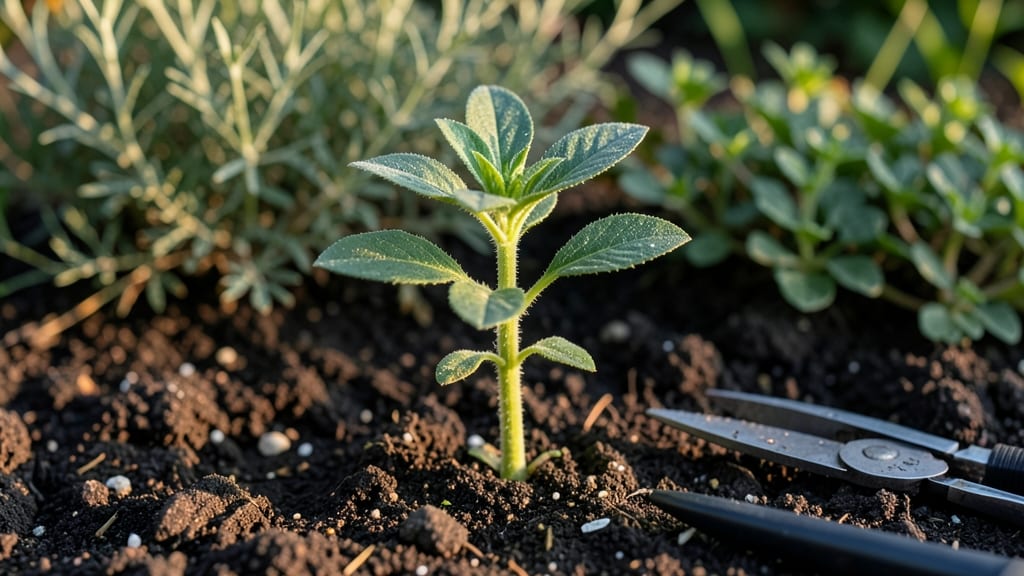
The identification of a marigold seedling is simple once you spot those first two sets of leaves—the initial cotyledons—before pulling out what you think is a weed. 🌱 are round and yellow-green, but the true leaves are where the magic happens.
They’re fern-like with jagged edges and a bright, almost neon-green hue that sets them apart from calendula’s smoother leaves or basil’s pointed ones.
The real test comes when seedlings hit 2–3 inches tall: marigolds grow in a bushy, upright pattern with leaves spaced evenly along sturdy stems. Weak or deformed seedlings? Check your light—marigolds crave 6+ hours of sun daily, and leggy stems mean they’re stretching for it.
Too much moisture can cause yellowing or mold, while poor soil drains lead to stunted growth. I’ve lost count of how many times I nearly discarded my own seedlings until I learned these visual cues.
By the time they’re 4–6 inches, you’ll spot the classic marigold shape: deeply serrated leaves that smell like citrus when crushed (yes, really). This is also when they start developing their signature orange or gold blooms—though don’t expect flowers until they’re at least 6–8 weeks old.
The earlier you recognize these traits, the sooner you can thin seedlings to 12 inches apart and watch them grow into the hardy, sun-loving plants they’re meant to be.
Still unsure? Snap a photo and compare it to a healthy marigold’s leaf structure—you’ll spot the differences instantly. Once you master this, you’ll never confuse them with anything else again. Now go give those little seedlings the care they deserve!
Root Causes of Misidentifying Seedlings
Accurately identifying marigold seedlings can be tricky, especially when early growth stages mimic other plants. Below are the most common reasons why gardeners struggle with seedling identification, along with the science behind each issue.
Young marigold seedlings often have cotyledons (the first leaves) that look drastically different from their mature foliage. These initial leaves are typically:
- Round or oval-shaped (unlike the later jagged, serrated edges of true marigold leaves).
- Smooth-edged or slightly lobed, which can resemble seedlings of calendula or zinnia.
- Light green or yellowish, making them harder to distinguish against soil.
This confusion arises because cotyledons serve as the seedling’s first energy source, storing nutrients until the true leaves (with distinct serrations) emerge. Pro tip: Wait until the first two sets of true leaves appear before attempting identification—this usually happens 7–14 days after germination.
Stress from light, temperature, or moisture can distort leaf shape and color, making seedlings look unlike their expected form. Key stressors include:
| Factor | Effect on Seedlings | Solution |
|---|---|---|
| Overcrowding | Leaves grow smaller and darker due to competition for nutrients, mimicking disease or poor health. | Thin seedlings to 1–2 inches apart and ensure proper spacing. |
| Inconsistent Watering | Leaves may develop yellowing edges or curling, resembling nutrient deficiency. | Keep soil consistently moist (not soggy) and use trays with drainage. |
| Temperature Fluctuations | Cold snaps (<50°F/10°C) can cause purple or red tinges in leaves, masking true marigold traits. | Use heat mats for indoor starts or cover seedlings with frost cloth. |
Why it matters: Stress-induced changes can delay or alter leaf development, making seedlings look like dendranthema (chrysanthemum) or tagetes erecta (African marigold) hybrids before their true form emerges.
Marigolds come in dozens of cultivars, each with subtle differences in leaf shape, color, and growth habit. Common pitfalls:
- French marigolds (Tagetes patula) have finely serrated, fern-like leaves that can be mistaken for sweet alyssum seedlings.
- African marigolds (Tagetes erecta) develop broader, deeply lobed leaves later in growth, often confused with cosmos or dahlia seedlings.
- Signet marigolds (Tagetes tenuisecta) have delicate, lacy foliage that resembles basil or cilantro in early stages.
Science note: Leaf morphology is governed by genetic expression tied to the FLORICAULA gene, which regulates leaf shape in Asteraceae (the marigold family). Hybridization can suppress or exaggerate these traits, leading to unexpected appearances.
Actionable fix: Cross-reference seedlings with seed packet descriptions or use a magnifying glass to inspect leaf venation patterns (marigolds typically have prominent, parallel veins).
Early-stage pests or diseases can alter leaf structure before true identification is possible. Watch for:
- Aphids or spider mites: Cause stunted growth and curled leaves, mimicking nutrient deficiency.
- Fungal infections (e.g., downy mildew): Produce yellow spots or powdery residue on leaves.
- Cutworms: Chew leaves at the base, leading to ragged, irregular edges.
Why it’s sneaky: Damaged seedlings may recover if treated early, but the temporary distortion can lead to misidentification. Pro tip: Isolate suspicious seedlings and treat with neem oil or insecticidal soap before assuming they’re a different plant.
Seedlings grown under artificial light or viewed at odd angles can appear distorted:
- LED/grow lights with blue spectrum dominance can make leaves look darker or more elongated than they are.
- Low-light conditions cause etiolation (stretched, pale stems) and smaller leaves, resembling weak or diseased plants.
- Viewing angle: Leaves held at a shallow angle may appear wider or more lobed than when viewed head-on.
Fix it: Use a full-spectrum grow light (12–16 hours/day) and examine seedlings under natural daylight to compare. 💡 Pro tip: Take top-down photos for accurate leaf shape analysis.
Quick Fixes for Seedling Confusion
Identifying marigold seedlings can sometimes feel like solving a puzzle—especially when young plants look eerily similar to weeds or other flowers. But don’t worry! With the right approach, you can turn uncertainty into confidence.
Below, we’ll break down common issues that muddle seedling ID and provide practical, step-by-step solutions to get you back on track.
Cause: Young marigold seedlings (especially French or African varieties) can resemble dandelions, chickweed, or even mustard greens in their early stages.
How to Fix It:
- 🔥 Pull and Compare: Snag a few suspect seedlings and compare their leaf shape, texture, and growth pattern to a mature marigold reference. Marigolds typically have fuzzy, jagged-edged leaves (like tiny, serrated maple leaves), while weeds often have smoother or lobed leaves.
- 👨🍳 Check the Roots: Dig up a seedling and examine its taproot. Marigolds develop a thick, central root early on, whereas many weeds have fibrous or shallow roots.
- 🌱 Thin Strategically: If you’re unsure, thin seedlings after they’ve developed 2–3 true leaves (not just the initial cotyledons). This gives you more time to spot key ID traits.
💡 Prevention Tip: Plant marigolds in dedicated rows or containers early on to minimize weed competition. A mulch layer (straw or grass clippings) can also suppress weeds while letting seedlings breathe.
Cause: Poor germination, overwatering, or fungal diseases (like damping-off) can kill seedlings before they reach identifiable stages.
How to Fix It:
- 🍳 Adjust Watering: Keep soil moist but not soggy. Use a spray bottle for gentle watering to avoid disturbing seeds. Let the top inch of soil dry slightly between waterings.
- ⏰ Speed Up Germination: Marigold seeds need warmth (70–80°F) to sprout. If your garden is cool, use a seedling heat mat or start indoors under grow lights.
- 🔪 Treat Fungal Issues: If seedlings develop black, mushy stems (damping-off), sprinkle cinnamon or copper fungicide on the soil. Space seedlings 1–2 inches apart for better airflow.
💡 Prevention Tip: Sterilize trays or seedbeds with a 10% hydrogen peroxide solution (1 part peroxide to 9 parts water) before planting to kill fungal spores.
Cause: Lack of light, overcrowding, or nutrient deficiencies can stunt growth, making identification harder.
How to Fix It:
- 🌱 Thin Crowded Seedlings: If plants are touching each other, thin to 6–12 inches apart (depending on variety). Use clean scissors to avoid disease spread.
- 💪 Boost Light Exposure: Place seedlings in the sunniest spot in your garden. If indoors, use grow lights 12–16 hours/day to prevent legginess.
- 🥗 Fertilize Lightly: Use a balanced, water-soluble fertilizer (10-10-10) at half-strength once true leaves appear. Avoid heavy nitrogen—it promotes leafy (but unidentifiable) growth.
💡 Prevention Tip: Start with high-quality, fresh seeds from a reputable supplier. Older seeds may germinate poorly, leading to weak seedlings.
Cause: Seedlings may not show their true marigold colors (orange, yellow, or gold) until they mature. Variegated or bi-color types can also confuse new growers.
How to Fix It:
- 📊 Wait for True Leaves: The first pair of leaves (cotyledons) won’t resemble adult foliage. Focus on the second set of leaves for accurate ID.
- 🔍 Use a Magnifying Glass: Examine leaf veins and edges—marigolds often have distinctive serrations and a slightly waxy texture.
- 🌟 Compare to Photos: Keep a cheat sheet of marigold seedling stages (like the ones in our earlier section) handy for quick checks.
💡 Prevention Tip: If you’re growing heirloom or rare varieties, label seedlings with toothpicks and masking tape as soon as they sprout to avoid mix-ups later.
Still unsure? Give the pinch test a try:
- Gently pinch a small section of a leaf.
- If it’s tough and slightly fuzzy, it’s likely a marigold.
- If it’s soft and smooth, double-check against your weed ID guide.
With these fixes, you’ll go from guessing to knowing in no time—no green thumb required! 🌻
Frequently asked questions
How can I tell if my tiny seedlings are marigolds before they develop true leaves?
Look for the cotyledons—the first two leaves—which are usually round, smooth-edged, and light green. While not definitive, marigold cotyledons often have a slightly fuzzy texture. Wait until the second set of leaves appears (true leaves) to confirm, as these will have jagged edges and a brighter green hue. Pro tip: Compare them to a photo of marigold seedlings at the cotyledon stage.
Why do my marigold seedlings look like weeds or other flowers?
Early-stage confusion happens because marigold cotyledons resemble many common weeds (like chickweed) or flowers (such as calendula). The key difference lies in the true leaves: marigolds develop deeply serrated, fern-like foliage with a slightly waxy texture, while weeds typically have smoother or lobed leaves. Check the stem and root structure—marigolds grow upright with a thick taproot.
Can I use a magnifying glass to identify marigold seedlings more accurately?
A magnifying glass helps you examine leaf venation and edge details—marigold leaves have prominent parallel veins and jagged, saw-tooth edges. Look for tiny hairs along the leaf margins, which are common in marigolds. This method works best once the second set of true leaves has emerged for clearer identification.
What should I do if my seedlings are leggy or weak?
Leggy seedlings usually mean they’re not getting enough light (6+ hours of sun daily) or are overcrowded. Thin them to 1–2 inches apart and move to a sunnier spot or under grow lights (12–16 hours/day). Avoid heavy fertilization early on—use a balanced, diluted fertilizer (10-10-10) only after true leaves appear.
How do I distinguish French marigolds from African marigolds at the seedling stage?
French marigolds (Tagetes patula) have finely serrated, delicate leaves that resemble ferns, while African marigolds (Tagetes erecta) develop broader, deeply lobed leaves later. At the seedling stage, French varieties stay shorter and bushier, while African types grow taller with sturdier stems. Check the seed packet for variety-specific traits.