
Lawn
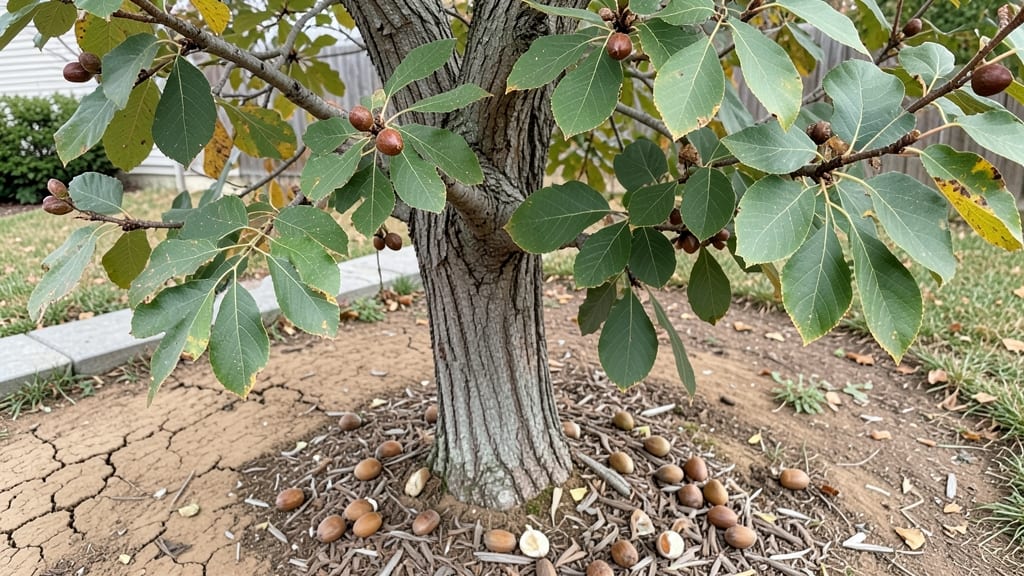
Growing mockernut hickory from seed lets you nurture a native woodland giant that feeds wildlife and provides shade for generations. 🌱 I’ve struggled with the slow germination of these seeds, but once you crack the cold stratification trick, the rewards—strong, disease-resistant trees—make it worth the wait.
The secret starts with fresh seeds and a three-month cold treatment in damp sand or peat moss. Mockernut hickories thrive in well-drained, slightly acidic soil and full sun, mimicking their natural woodland edges.
Plant them 1 inch deep in spring after stratification, and expect 2-5 years before they sprout—patience is the real skill here.
Once they break through, these trees grow 3-5 feet per year, eventually reaching 50-70 feet tall. The nuts attract squirrels, turkeys, and deer, while the dense canopy offers cool summer shade for decades. Just avoid overwatering—they hate soggy roots, just like their wild cousins.
Perfect for rural properties, wildlife gardens, or large landscapes where you can give them space to mature. The key is consistency: water deeply but infrequently, mulch to retain moisture, and protect young saplings from deer browsing. Your future shade tree starts with one tiny seed.
📚 In This Guide
- What you need
- Instructions
- Tips and common mistakes
- Wrapping up and next steps
What you need
- ● Mockernut hickory seeds: 5–10 fresh, high-quality seeds (ensure they’re properly extracted from nuts—see our guide for tips!).
- ● Seed-starting mix: 1–2 gallons of well-draining, sterile potting soil (or a 50/50 blend of peat moss and perlite).
- ● Planting containers: 3–5 small pots (4–6 inches deep) with drainage holes, or a seed tray with individual cells.
- ● Watering can or spray bottle: For gentle moisture application (avoid oversaturating seeds!).
- ● Plastic wrap or humidity dome: To create a mini greenhouse effect (e.g., a clear plastic bag with holes or a store-bought propagator).
- ● Scissors or pruning shears: For trimming seed coats if stratification is needed (more on this later!).
- ● Label markers: To track seed varieties and planting dates.
- ○ Stratification supplies (optional but helpful): Refrigerator or cold stratification box (set to 34–40°F for 60–90 days).
- ● Moistened paper towels or peat moss (to wrap seeds during stratification).
- ○ Heat mat (optional): For faster germination (70–75°F is ideal).
- ○ Grow lights (optional): If natural light is limited (12–16 hours/day).
- ● Outdoor planting spot (long-term): Sunny location with full sun to partial shade (6+ hours of sunlight daily).
- ● Well-drained soil (amend with compost if needed).
- ○ Mulch (optional): 2–3 inches of organic mulch (e.g., wood chips) to retain moisture and suppress weeds.
Step-by-Step guide to germinating mockernut hickory seeds
Here’s how to break dormancy and coax these tough native seeds into saplings.
🌱 Step 1: Harvest and Stratify Seeds for Winter
Collect fresh mockernut hickory seeds in late fall when they’ve fallen naturally—green hulls mean they’re not fully ripe. Remove the outer shell carefully to expose the hard inner nut. Place the nuts in a breathable mesh bag with 3-4 inches of moist peat moss or coconut coir, then refrigerate for 90-120 days to simulate winter.
Check monthly to ensure the moss stays damp but not soggy—squeeze a handful; water droplets should form but not drip. This cold stratification mimics natural conditions and breaks the seed’s dormancy. If you skip this step, germination rates drop to nearly zero.
⏰ Step 2: Soak and Scarify for Germination
After stratification, soak the nuts in warm water for 24 hours to soften the shell. Use a hammer and chisel to nick the hard outer coat—just enough to expose the seed inside without crushing it. This scarification lets water penetrate and triggers germination.
Place the nicked seeds in a jar with fresh water and keep them submerged for another 48 hours. You’ll see the water turn slightly milky—that’s the seed’s natural oils leaching out. Drain and rinse the seeds before planting to remove any residue that could inhibit growth.
🪴 Step 3: Plant in Well-Draining Soil
Fill a 4-inch deep container with a mix of 50% potting soil and 50% perlite to ensure drainage. Plant the seeds 1 inch deep, spacing them 3 inches apart to allow room for taproots. Mockernut hickories hate soggy roots, so avoid compacted soil.
Water gently until the soil is moist but not waterlogged. Place the container in a shaded area with indirect light—direct sun will dry out the soil too quickly. Keep the soil consistently moist, but never let it sit in standing water. Germination can take 30-60 days, so patience is key.
☀️ Step 4: Transplant and Provide Full Sun
Once seedlings reach 4-6 inches tall and develop their first true leaves, transplant them into individual 6-inch pots with the same soil mix. Harden off the seedlings by placing them outdoors in partial shade for 1-2 hours daily over 7-10 days before moving them to full sun.
Mockernut hickories thrive in full sun and well-draining soil. After transplanting, water deeply once a week unless rainfall provides 1 inch of moisture. Avoid overwatering—these trees are drought-tolerant once established, and excess moisture can rot their roots.
🌿 Step 5: Monitor Growth and Prune Wisely
In their first year, focus on root development. Prune only to remove dead or diseased branches—mockernut hickories are slow growers and don’t respond well to heavy pruning. By year two, you’ll see the iconic compound leaves and begin training the tree’s structure.
Fertilize lightly in early spring with a balanced 10-10-10 fertilizer to encourage growth without overwhelming the young roots. Mulch around the base with 2-3 inches of wood chips to retain moisture and suppress weeds. With proper care, your mockernut hickory will grow into a sturdy, wildlife-friendly tree.
Tips & tricks for perfect mockernut hickory seed germination
These tried-and-true strategies will help you break dormancy and achieve reliable germination with these notoriously stubborn native seeds.
The Stratification Secret: Don't rush the 90-120 day cold treatment—this mimics natural winter conditions and is absolutely critical. I've seen germination rates plummet to nearly zero when this step is skipped. Place your mesh bag in the coldest part of your fridge (around 35-40°F) for consistent temperatures. If you're short on time, you can extend to 140 days, but don't cut it short. The longer the stratification, the better the results, especially in warmer climates.
Scarification Precision: When nicking the hard outer shell in Step 2, aim for just enough exposure without damaging the seed inside. I use a small chisel to make a tiny crosshatch pattern—this creates multiple entry points for water while protecting the delicate seed. Too much damage can expose the seed to rot, while too little won't break dormancy. Test a few seeds first to find your sweet spot. The goal is to see a tiny bit of the seed's surface through the cracks.
Soil Science Matters: The 50/50 potting soil to perlite mix in Step 3 isn't just about drainage—it's about creating the perfect air-to-moisture ratio. Perlite prevents compaction while allowing oxygen to reach the developing roots. I've found that adding a handful of coarse sand to this mix further improves drainage without altering the structure. Mockernut hickories are particularly sensitive to root rot, so this precaution pays off in the long run. Keep that soil mix loose and fluffy!
Patience Pays Off: Those 30-60 days of waiting in Step 3 can feel like an eternity, but this is where most people give up. I recommend marking your calendar and setting reminders—germination often happens in spurts. Place your containers in a warm spot (around 70°F) to encourage activity, but maintain that consistent moisture. A humidity dome can help maintain ideal conditions during this critical period. Remember, these seeds are designed to wait for perfect conditions!
Pro Tips for Mockernut Hickory Seed
- These tried-and-true strategies will help you break dormancy and achieve reliable germination with these notoriously stubborn native seeds.
- The Stratification Secret: Don't rush the 90-120 day cold treatment—this mimics natural winter conditions and is absolutely critical.
- Scarification Precision: When nicking the hard outer shell in Step 2, aim for just enough exposure without damaging the seed inside.
Frequently asked questions
Got questions about mockernut hickory seeds?
You’re not alone! Here are answers to the most common queries—whether you’re planting for wildlife, shade, or just curious about this hardy native tree.
When is the best time to plant mockernut hickory seeds?
Plant mockernut hickory seeds in early spring or fall for optimal germination. Spring planting (March–April) gives seeds time to establish before summer heat, while fall (September–October) allows them to stratify naturally over winter. Avoid planting in extreme heat or drought—keep soil moist until sprouts appear!
How long does it take for mockernut hickory seeds to germinate?
Germination can take 30–90 days, depending on soil conditions and moisture. Cold stratification (chilling seeds for 60–90 days) often speeds up the process. Be patient—these seeds are tough! If no sprouts appear after 3 months, check for consistent moisture and proper soil drainage.
Are mockernut hickory seeds good for attracting wildlife?
Absolutely!
Mockernut hickories produce edible nuts loved by squirrels, deer, turkeys, and woodpeckers. The tree’s dense canopy also offers shelter for birds and small mammals. Planting one supports local ecosystems while adding beauty to your landscape.
What can I do if my mockernut hickory seed isn’t sprouting?
Try these troubleshooting steps:
- Check stratification: Mockernut seeds often need cold treatment. Place seeds in a damp paper towel in the fridge for 2–3 months before replanting.
- Verify soil depth: Plant seeds 1–2 inches deep—too shallow can dry them out.
- Test moisture: Soil should stay consistently damp (not soggy). Use a spray bottle if needed.
- Consider viability: Older seeds may lose potency. Test a few by nicking the shell—if no green sprout appears in 2 weeks, they may be nonviable.
Can I grow a mockernut hickory from a store-bought nut?
Yes, but with a caution! Store-bought nuts are often roasted or processed, reducing germination rates. If you try it, soak the nut in water for 24 hours, then plant it 1–2 inches deep in moist soil. For better success, source fresh, unprocessed nuts from local forests or reputable seed suppliers.
Wrapping up and next steps
Planting mockernut hickory seeds is a rewarding way to contribute to native ecosystems while enjoying shade and wildlife benefits. Whether you're a gardener, homesteader, or nature enthusiast, these resilient trees offer long-term value—just be patient, as they take time to grow! 🌱
Ready to take the next step? Start by sourcing seeds from a trusted supplier or harvesting them responsibly from mature trees. Then, follow the planting and care tips shared here to nurture your future woodland staple. Happy growing! 🌳