Vegetables
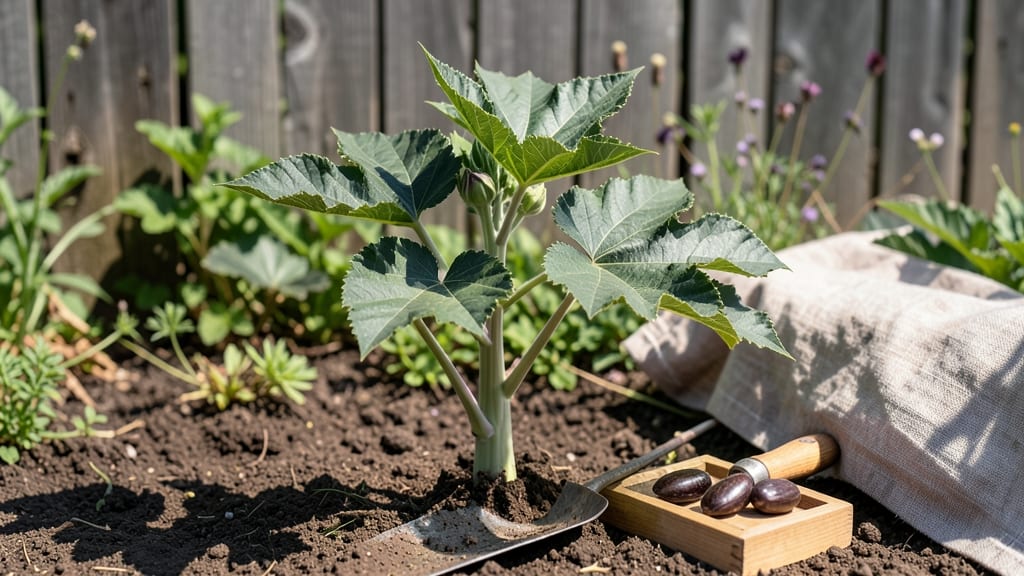
The demonstrative the okra seed germination time of 7 to 14 days hinges on heat and moisture—cool soil will leave your seeds stubbornly unsprouted.
Struggling to get your okra seeds to sprout? The secret to faster germination lies in understanding the perfect balance of heat, moisture, and timing—because okra seeds don’t play by the rules of slow, steady growth.
Most gardeners in USDA Zone 6a wait until after the last frost (usually May-June) to plant, but even then, a consistently warm soil temperature of 80°F or higher is non-negotiable. Without it, your seeds may rot before they even think about sprouting.
In this guide, I’ll walk you through the exact conditions okra seeds need to break dormancy, plus five proven tricks to cut germination time by nearly half—so you can enjoy fresh pods by July instead of waiting months.

Okra seed germination time: what to expect under ideal conditions
If you've ever planted okra seeds only to stare at your garden bed for weeks waiting for sprouts, you're not alone. Okra seeds are famously finicky about their germination conditions, but with the right approach, you can cut that waiting time dramatically.
Under ideal conditions, okra seeds typically germinate in 5 to 14 days, though many gardeners see sprouts within 7 to 10 days when they nail the temperature and moisture balance.
The key to faster germination lies in understanding how okra seeds behave differently than other vegetables. Unlike cool-season crops, okra seeds are heat-loving and need consistent warmth to activate their enzymes. When soil temperatures dip below 60°F (15°C), germination slows to a crawl—or stops entirely.
This is why okra thrives in warm climates like the Southern U.S. and why gardeners in cooler regions often use tricks like seedling trays or row covers to create the perfect environment.
Now let's break down the science behind these germination windows. Okra seeds contain enzymes that only become active when exposed to consistent warmth and proper moisture levels. At 80°F (27°C) or higher, you can expect germination in as few as 5 days.
However, if your soil stays below 70°F (21°C), germination may stretch to 14 days or longer. This wide range explains why some gardeners swear by pre-soaking seeds while others get great results planting dry.
Here’s the critical insight: okra seeds don’t just need warmth—they need consistent warmth. Fluctuations between hot and cold days can confuse the seed’s metabolic processes, leading to uneven or delayed sprouting.
That’s why professional growers often use bottom heat mats or plant okra in black plastic mulch to stabilize soil temperatures. Even a 10°F (5°C) drop at night can push germination from 7 days to 14 days or more.
Moisture plays just as crucial a role as temperature. Okra seeds require even moisture to avoid drying out, but they also hate soggy conditions that can lead to rot. The ideal soil moisture for germination is like a wrung-out sponge—damp but not waterlogged.
If the top inch of soil dries out, germination halts until you rehydrate it. On the flip side, overwatering can suffocate seeds by cutting off oxygen, which is why many gardeners use well-draining seed-starting mix instead of regular garden soil.
Seed viability also affects germination time. Fresh okra seeds (less than 1 year old) typically sprout faster than older seeds. If you’re using seeds from last year’s harvest, soak them overnight in lukewarm water to jumpstart the process.
Even with older seeds, you can still achieve 70-80% germination rates if you maintain the right conditions. For best results, store okra seeds in a cool, dry place and plant them within 6 months of purchase.
Let’s talk about the visible stages of okra germination. Within 24-48 hours of planting in warm soil, you’ll notice the seed coat softening as it absorbs moisture. By day 3-5, the radical (primary root) emerges first, followed by the shoot breaking through the soil surface by day 5-7.
True leaves appear within 10-14 days, signaling that your seedling is ready for transplanting. Paying attention to these stages helps you troubleshoot issues early—like seeds that rot without sprouting or seedlings that emerge but then wilt.
One common misconception is that okra seeds need deep planting. In reality, okra seeds should be planted only ½ inch deep. Planting too deep forces seedlings to struggle upward, delaying emergence by 3-5 days.
The shallow depth also helps maintain the critical warmth around the seed. If you’re sowing in cooler climates, consider using biodegradable seedling pots filled with warm compost to create a microclimate that mimics summer conditions.
For gardeners in USDA Zones 8-11, okra seeds often germinate in 5-7 days when planted directly in the garden after the last frost. In Zones 6-7, where nights can still be chilly, germination may take 10-14 days.
To speed things up, start seeds indoors 2-3 weeks before the last frost date, using a heat mat to maintain 75-85°F (24-29°C) soil temperatures. Once seedlings have 2-3 true leaves, they’re ready to harden off and transplant outdoors.
Understanding these variables lets you predict and control germination timing. Whether you’re a patient gardener who enjoys the process or someone who wants quick results, okra seeds will reward you when you give them the heat, moisture, and consistency they crave.
The payoff? A bountiful harvest of tender pods in as little as 50-60 days from planting.
🌱
| Condition | Ideal Specification | Germination Time | Notes |
|---|---|---|---|
| Soil Temperature | 75-85°F (24-29°C) | 5-7 days | Optimal for fastest sprouts |
| Soil Temperature | 60-70°F (15-21°C) | 7-14 days | Slower but viable |
| Moisture Level | Consistently damp | 5-10 days |
5 Heat and moisture tricks to speed up okra germinationOkra seeds are notorious for their slow germination—often taking 7-14 days under ideal conditions. But with the right tricks, you can cut that time by 30-50% while avoiding seed rot or damping-off. The key? Mimicking the warm, moist conditions of their native tropical climates. Let’s break down my top 5 heat and moisture hacks that work every time. First, understand that okra seeds need consistent warmth (ideally 80-90°F) to activate enzymes that kickstart germination. Without it, seeds linger in dormancy. Pair that with even moisture, and you’ll see those first green shoots in as little as 5 days. The best part? These tricks work for both indoor starts and direct sowing in the garden.
One mistake I see often is overwatering seeds, which leads to rot. Instead, aim for consistent moisture—like a wrung-out sponge. Another trick? Plant seeds in peat pots filled with a mix of coco coir and vermiculite. This blend holds moisture while allowing airflow, creating the perfect germination microclimate. For gardeners in cooler climates, start seeds indoors 4-6 weeks before the last frost. Use a clear plastic dome over seed trays to retain heat and moisture, then transplant seedlings once soil temps hit 60°F+. If direct sowing, wait until nighttime temps stay above 55°F—okra seeds won’t germinate in cold soil. Pro tip: Label your seeds with the planting date and expected germination window. Okra seeds can take up to 21 days in cool conditions, but with these tricks, you’ll shave off weeks. Once sprouts emerge, thin seedlings to 12-18 inches apart to give them room to grow into those towering plants. |