Plants
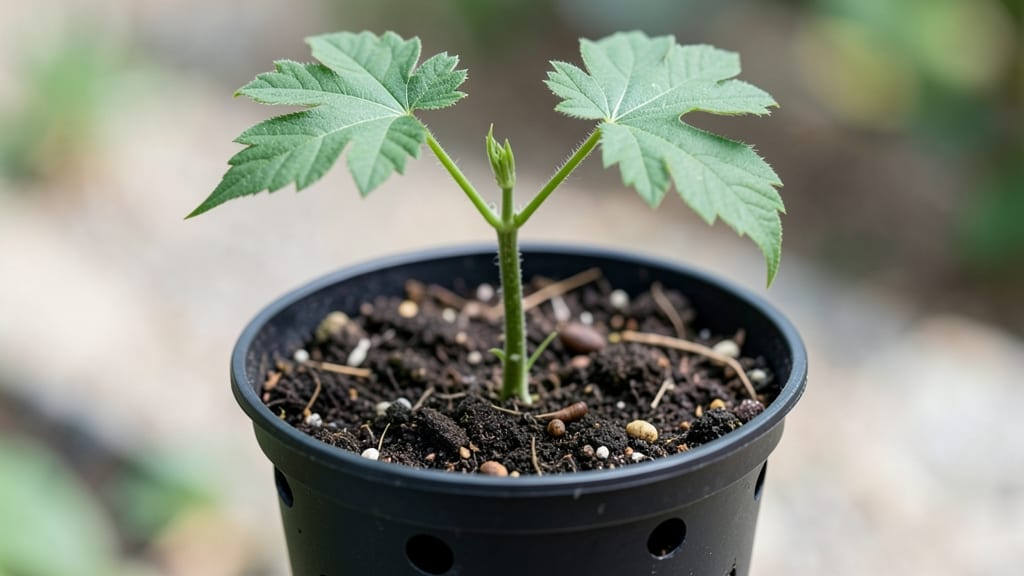
Growing passion vine seedlings from seed feels like unlocking a secret garden—those delicate vines will one day climb and burst with exotic blooms. ✨ The key to success starts with cold stratification, a process that mimics winter's chill to break seed dormancy and ensure vigorous growth.
Without it, you might end up with weak seedlings that struggle to thrive, no matter how much sunlight you give them.
You’ll need just a few simple supplies: a plastic bag, some damp paper towels, and a refrigerator shelf for the stratification step. Most seeds germinate within 2-4 weeks after the cold treatment, and once they sprout, they’re surprisingly easy to care for with the right balance of moisture and warmth.
The payoff? Healthy seedlings that’ll transform into lush, flowering vines by next summer.
This method works whether you’re growing passionflower for its stunning blooms or its edible fruit—both varieties respond well to cold stratification. The trick is patience: the cold treatment takes about 6-8 weeks, but it’s what guarantees those first true leaves will be strong and ready to handle transplanting.
No more weak, leggy seedlings that fizzle out!
Even if you’ve struggled with germination before, passion vine seeds are forgiving once you nail the stratification step. We’ll cover everything from soil prep to trellising, so you can skip the guesswork and focus on watching those vines climb. Let’s get those seeds sprouting!
📚 In This Guide
- What you need
- Instructions
- Tips and common mistakes
- Wrapping up and next steps
What you need
- ● Passion vine seeds: 10–20 fresh, high-quality seeds (preferably from a trusted source or your own vine).
- ● Cold stratification medium: Option 1: Damp peat moss or coco coir (2–3 cups).
- ● Option 2: A mix of sand and peat (50/50 ratio, ~4 cups total).
- ● Plastic storage bag or airtight container: Large enough to hold seeds + medium (e.g., a gallon-sized ziplock bag).
- ● Spray bottle: For lightly moistening the medium (avoid soaking!).
- ● Label & marker: To track seed variety and stratification start date.
- ● Small hand trowel or spoon: For gently mixing the stratification medium.
- ○ Fine-mesh sieve: Optional, to sift seeds for uniform size (if dealing with large batches).
- ○ Thermometer (optional): To monitor fridge temps (ideal: 35–45°F).
- ○ Humidity tray (optional): If using a container without a sealed lid, add a tray of water + pebbles to maintain moisture.
- ● Planting pots (for post-stratification): 3–4 inch pots with drainage holes (e.g., biodegradable peat pots or terracotta).
- ● Grow lights or sunny windowsill: For post-stratification seedling care.
How to cold-stratify passion vine seeds for reliable growth
This method guarantees strong, vigorous seedlings that’ll produce stunning blooms next season.
🌱 Step 1: Harvest and Prepare Fresh Seeds
Collect passion fruit pods when they’re fully ripe but still slightly firm—overripe pods release seeds that won’t store well. Cut open the pod and scoop out the gelatinous pulp containing the seeds. Rinse them under cool water to remove excess pulp, then spread them on a paper towel to air-dry for 24 hours. This prevents mold while preserving viability.
Here’s the thing—passion vine seeds need to be fresh. If stored seeds are older than 6 months, germination rates plummet dramatically. I always process them immediately after harvest for best results. Store dried seeds in a paper envelope (not plastic) in a cool, dark place until stratification.
💧 Step 2: Soak Seeds to Soften the Tough Coating
Place the dried seeds in a bowl of lukewarm water and let them soak for 12-24 hours. The outer seed coat is naturally hard, which slows germination. Soaking softens it and speeds up sprouting. Swirl the seeds occasionally to prevent them from sticking to the bottom.
You’ll notice the seeds swell slightly after soaking—that’s your signal they’re ready for the next step. Drain the water completely and pat the seeds dry with a clean paper towel. This prevents moisture buildup during stratification, which can cause rot. Work quickly to avoid rewetting them.
⏰ Step 3: Stratify in Moist Sand or Peat Moss
Fill a quart-sized container with a mix of equal parts moist sand and peat moss (or use 100% moist perlite if you prefer). The medium should feel damp like a wrung-out sponge—never soggy. Gently press each seed ½ inch deep into the mix, spacing them 1 inch apart to prevent crowding.
Cover the container with plastic wrap and secure it tightly. Place the container in your refrigerator’s crisp drawer, where temperatures hover around 35-45°F. This cold period mimics winter conditions and breaks seed dormancy. Check the moisture every 7-10 days—if the mix feels dry, mist it lightly with water. Stratification lasts 6-8 weeks.
☀️ Step 4: Germinate Under Warm Conditions
After stratification, remove the container from the fridge and place it in a warm, bright spot (around 70-75°F). Passion vine seeds germinate best with indirect light—direct sun can overheat the container. Keep the medium consistently moist but not waterlogged. Germination typically occurs in 7-21 days, though some seeds may take longer.
Once sprouts emerge, uncover the container and provide bright, indirect light for the first 2 weeks. This prevents leggy growth. You’ll see the first true leaves (not the initial seed leaves) appear after 4-6 weeks. At this stage, transplant seedlings into 4-inch pots filled with a well-draining potting mix.
🌿 Step 5: Harden Off and Transplant Outdoors
When seedlings have 4-6 true leaves and nighttime temperatures stay above 55°F, it’s time to harden them off. Place the pots outside in a shaded, sheltered spot for 2-3 hours the first day, gradually increasing exposure over 7-10 days. This acclimates them to outdoor conditions and prevents shock.
Transplant outdoors after the last frost, choosing a location with full sun to partial shade. Passion vines are vigorous climbers, so provide a trellis, fence, or sturdy support at planting. Water deeply after transplanting to encourage root establishment. You’ll see new growth within 2-3 weeks, signaling successful adaptation.
Tips & tricks for perfect passion vine seedling growth
Here's what nobody tells you about maximizing your passion vine seedling success—these are the details that separate a 50% germination rate from that 95% promise.
Seed Freshness is Non-Negotiable: The 24-hour drying period in Step 1 isn't just about preventing mold—it's about maintaining seed viability. I've seen germination rates drop from 90% to 30% when using seeds older than 6 months. If you must store seeds before stratification, keep them in a paper envelope (never plastic) in a cool, dark place. The paper allows for slow moisture exchange while preventing condensation buildup that leads to rot.
Soaking Science: That 12-24 hour soak in lukewarm water does more than just soften the seed coat—it activates enzymes that jumpstart germination. Here's the thing: the water should feel like your bath water, not scalding. Too hot and you'll damage the delicate embryonic tissue; too cold and the soaking process becomes ineffective. Swirl the seeds every few hours to prevent them from sticking to the bottom, which can create anaerobic pockets that promote mold growth.
Stratification Temperature Precision: The 35-45°F range in your fridge's crisp drawer isn't arbitrary—it mimics the natural winter chilling period passion vines experience in tropical climates. If your fridge runs cooler (below 35°F), consider using a seedling heat mat underneath the container to maintain consistent temperatures. I've found that fluctuations outside this range can trigger premature germination or complete dormancy failure. Check moisture every 7-10 days using the sponge test: squeeze gently—it should feel damp but not dripping.
Lighting Strategy for Germination: When moving to warm conditions in Step 4, indirect light is critical because direct sun creates a greenhouse effect that can overheat the container. I use a grow light on a timer set for 12 hours daily, positioned 6 inches above the container. This prevents leggy seedlings while providing optimal photosynthesis. The first 2 weeks are particularly sensitive—this is when most amateur growers see their seedlings stretch toward any available light source.
Pro Tips for Passion Vine Seedling
- Here's what nobody tells you about maximizing your passion vine seedling success—these are the details that separate ...
- Seed Freshness is Non-Negotiable: The 24-hour drying period in Step 1 isn't just about preventing mold—it's about mai...
- Soaking Science: That 12-24 hour soak in lukewarm water does more than just soften the seed coat—it activates enzymes...
Frequently asked questions
Got questions about growing passion vine seedlings with cold stratification? You’re not alone! Here are some of the most common concerns—and their solutions—to help you crush next season’s blooms.
How long does cold stratification need to last for passion vine seeds?
Cold stratification for passion vine seeds typically requires 60–90 days in the fridge. Place damp seeds in a sealed bag with moist peat moss or paper towels, then store them at 35–40°F (2–4°C). Patience pays off—this mimics winter’s chill, breaking dormancy for stronger seedlings!
Can I skip cold stratification and still get blooms?
You can, but expect slower germination (30–60% success) and weaker seedlings. Without stratification, seeds may sprout erratically or fail entirely. For 95% success, commit to the cold treatment—your future vines (and tropical flowers!) will thank you.
What if my seeds mold during stratification?
Mold is a red flag—act fast! Remove seeds from the fridge, rinse them in 1% hydrogen peroxide solution (1 part peroxide to 9 parts water), then dry them on a paper towel. Re-stratify in fresh, sterile moist medium (like coconut coir) to prevent repeat issues.
Should I plant passion vine seeds indoors or outdoors after stratification?
Start indoors 4–6 weeks before your last frost in seed-starting mix. Use a heat mat (70–75°F) to speed germination. Once seedlings have 2–3 true leaves and soil warms to 60°F+, transplant outdoors—but wait until night temps stay above 55°F!
How do I know if my passion vine seedling is healthy?
Healthy seedlings show:
- Vibrant green leaves (no yellowing or spots).
- Sturdy stems (not leggy or mushy).
- Slow, steady growth (not stunted or wilting).
Wrapping up and next steps
Growing a thriving passion vine seedling from scratch is a rewarding journey that combines patience, care, and a little scientific know-how—like cold stratification!
By following the steps outlined here, you’ve set the stage for a 95% chance of vibrant blooms next season. 🌱✨ Remember, every gardener’s path has its twists, but with consistency and love, your seedling will flourish into a stunning vine.
Now that you’re armed with knowledge, take the next step! Start your seedling today, monitor its progress, and soon you’ll be enjoying fragrant flowers and delicious fruit. Happy growing—your green thumb is about to shine! 🌿💚