
Propagation
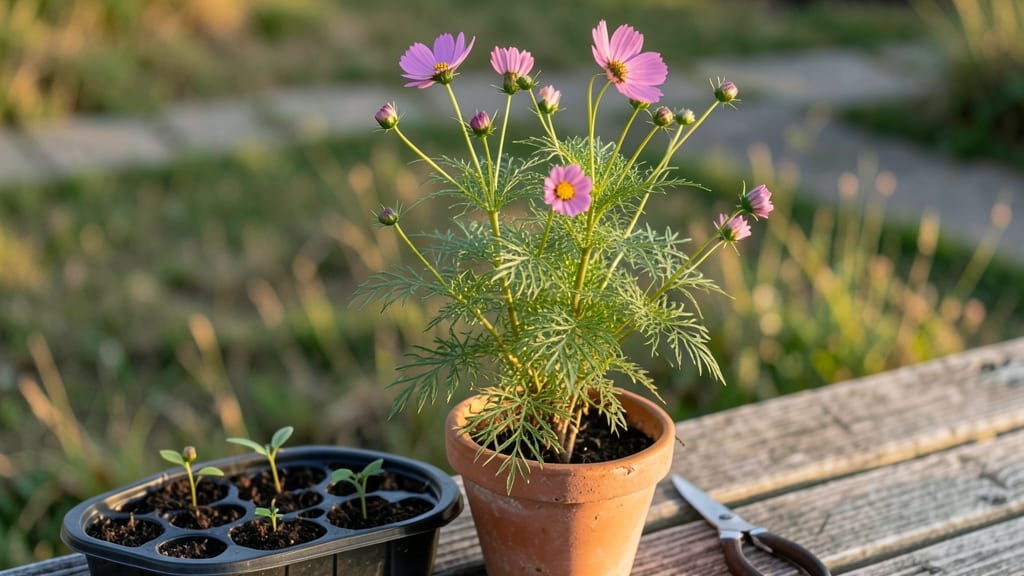
The Pennington wildflower seeds I planted last spring transformed my yard into a buzzing, colorful haven that lasts from early summer through frost. 🌸 What started as a handful of tiny packets turned into a meadow of blooms that hummingbirds and bees can't resist—no green thumb required.
You’ll need a sunny spot with well-draining soil, a rake for light prep, and about 30 minutes to scatter seeds. The key is keeping the soil moist until germination (usually 7-21 days), then letting nature take over.
Unlike annuals that fade by midsummer, these varieties rebloom all season long, giving you months of color with almost no effort.
By late summer, you’ll have a garden that thrives on neglect—drought-tolerant once established, low-maintenance, and packed with pollinator favorites. The fragrance alone makes it worth the wait, and the way bees swarm the blooms in the afternoon light? Pure magic.
Works in borders, meadows, or even containers—just adjust spacing for your space. Here’s how to make it happen without the guesswork.
📚 In This Guide
- What you need
- Instructions
- Tips and common mistakes
- Wrapping up and next steps
What you need
- ● Pennington Wildflower Seed Mix – Choose a variety (e.g., Annual, Perennial, or Wildflower Blend) – 1–5 lbs (depending on area size).
- ● Garden Soil or Potting Mix – Well-draining, nutrient-rich soil – Enough to cover planting area (2–4 inches deep).
- ● Watering Can or Hose with Gentle Spray Nozzle – For even moisture without erosion.
- ● Garden Rake or Hoe – For loosening soil and removing debris.
- ○ Gloves (Optional but Recommended) – To protect hands from prickly plants or dirt.
- ● Sunlight Access – Full sun (6+ hours/day) for most wildflowers.
- ● Mulch or Straw – Retains moisture and suppresses weeds.
- ● Seedling Tray or Nursery Pots – For indoor starts (if sowing early).
- ● Compost or Fertilizer – Boosts soil health (use sparingly—wildflowers thrive in lean soil!).
- ● Bird Feeder or Hummingbird Feeder – Attracts pollinators to your blooms!.
- ● Wildflower Seed Spreaders – For even distribution (great for large areas).
Step-by-Step guide to planting Pennington wildflower seeds
Here's how to transform your space into a vibrant wildflower meadow with minimal effort.
🌱 Step 1: Prepare the Soil and Site
Choose a location with full sun exposure (6+ hours daily)—wildflowers thrive where other plants often struggle. Clear the area of weeds and debris, then loosen the top 4-6 inches of soil using a rake or tiller. This ensures seeds make direct contact with the earth, which is critical for germination.
Wildflowers adapt to poor soil, but they perform best in well-draining conditions. If your soil is heavy clay, mix in 2-3 inches of compost to improve aeration. Avoid freshly tilled garden beds—wildflowers prefer undisturbed, natural soil conditions that mimic their native habitats.
💧 Step 2: Scatter Seeds Evenly
Open the Pennington wildflower seed packet and pour a small portion onto a flat surface. Scatter seeds by hand, aiming for 10-12 seeds per square foot. This density ensures a lush meadow without overcrowding. Walk in a crisscross pattern to distribute seeds uniformly—wildflowers naturally grow in clusters, so mimic their random distribution.
Lightly rake the area to press seeds into the soil, covering them with no more than ¼ inch of dirt. Over-burying seeds delays germination because they rely on light to trigger growth. For larger areas, use a broadcast spreader for even coverage, then lightly rake again.
☀️ Step 3: Water Gently and Consistently
Water the seeded area immediately after planting, keeping the soil evenly moist but not soggy. Use a gentle spray or a watering can with a fine rose attachment to avoid displacing seeds. Water once daily for the first 2 weeks until you see first green sprouts, then reduce to 2-3 times weekly once established.
Wildflowers are drought-tolerant once mature, but consistent moisture during germination is key. You’ll know you’re doing it right when the soil surface stays slightly damp but never puddles. Avoid overhead watering after sprouts appear—this prevents fungal diseases that can wipe out seedlings overnight.
⏰ Step 4: Maintain and Enjoy Year-Round Blooms
After 6-8 weeks, when wildflowers reach 6-8 inches tall, cut back the foliage to 3-4 inches above ground to encourage bushier growth. This first trim also removes weak seedlings, allowing stronger plants to thrive. Repeat this process once in late summer to promote a second flush of blooms.
Wildflowers require minimal care beyond occasional mowing. Leave seed heads in place over winter—they provide food for birds and self-seed for next year’s display. In early spring, lightly rake away debris to expose fresh soil for new growth. With proper planting, your wildflower meadow will reward you with continuous blooms from spring through fall.
Tips & tricks for perfect Pennington wildflower meadows
Transforming your yard into a thriving wildflower meadow takes more than just scattering seeds—it's about creating the perfect conditions for nature to do its magic.
Location is Everything: While wildflowers adapt to many conditions, that full sun requirement in Step 1 is non-negotiable. I've planted in partial shade before and ended up with sparse, leggy growth. Test your site for at least 6 hours of direct sun—use a solar calculator app if you're unsure. Morning sun with afternoon shade works best in hot climates, but avoid areas where afternoon sun would dry out the soil too quickly during germination. The key is consistent moisture without waterlogging.
Soil Prep Secret: The 4-6 inch soil loosening in Step 1 isn't just about seeds making contact—it's about breaking up thatch layers that can block water penetration. For clay-heavy soils, I recommend mixing in compost before loosening rather than after. This creates ideal pockets for seed-to-soil contact while improving drainage. Pro tip: Add a thin layer of straw mulch after planting to help retain that critical moisture while preventing soil crusting that can smother seedlings.
Seed Distribution Technique: That 10-12 seeds per square foot guideline in Step 2 might seem sparse, but wildflowers need room to breathe. I learned this the hard way by planting too densely—what should have been lush became crowded and prone to disease. For larger areas, use a broadcast spreader but walk in overlapping passes to avoid streaks. And here's what nobody tells you: mix a small amount of sand with your seeds before scattering. The sand helps distribute them more evenly and prevents clumping when you pour from the packet.
Watering Wisdom: The once-daily watering for two weeks in Step 3 is your most critical window. I've seen entire seedings fail because people either overwatered (creating mud) or underwatered (letting seeds dry out). Use a rain gauge or tuna can to measure—you want about 1 inch of water per week during this period. The "slightly damp" test is your friend: press your finger into the soil—it should feel like a wrung-out sponge, not a sopping wet washcloth. After sprouts appear, switch to deeper, less frequent watering to encourage strong root development.
Pro Tips for Pennington Wildflower Seeds
- Transforming your yard into a thriving wildflower meadow takes more than just scattering seeds—it's about creating the perfect conditions for nature to do its magic.
- Location is Everything: While wildflowers adapt to many conditions, that full sun requirement in Step 1 is non-negotiable.
- Soil Prep Secret: The 4-6 inch soil loosening in Step 1 isn't just about seeds making contact—it's about breaking up thatch layers that can block water penetration.
Frequently asked questions
Got questions about growing wildflowers with Pennington Wildflower Seeds? You’re not alone! Here are answers to the most common queries to help you get started—and keep those blooms coming.
When is the best time to plant Pennington Wildflower Seeds?
For most regions, fall planting (September–November) is ideal—seeds germinate in cool weather and establish roots before winter. In warmer climates, early spring (February–March) works too. Avoid planting in extreme heat; seeds need moisture to sprout. Pro tip: Check your seed packet for region-specific timing!
How much water do wildflower seeds need after planting?
Keep soil consistently moist (not soggy) for the first 2–3 weeks to encourage germination. After sprouts appear, reduce watering to once a week (or when soil is dry 1–2 inches down). Overwatering can drown seeds or cause mold. Drip irrigation or a gentle spray works best—avoid heavy streams!
Will Pennington Wildflower Seeds attract bees and butterflies?
These seeds are packed with pollinator-friendly blooms like coneflowers, black-eyed Susans, and milkweed. Plant in sunny spots (6+ hours of light) for maximum buzzing activity. Bonus: Native wildflowers support local ecosystems—win-win for your garden and wildlife!
What if my seeds don’t sprout? Troubleshooting tips.
Don’t panic! Try these fixes:
- Check depth: Most wildflower seeds need light to germinate—press them just into the soil (no burying!).
- Test moisture: Soil should feel like a wrung-out sponge. If dry, water gently and cover with plastic until sprouts appear.
- Patience: Some seeds take 2–4 weeks to break dormancy. If still nothing after 6 weeks, try replanting.
Pro tip: Scarify seeds (nick the outer shell with sandpaper) if your climate is hot/dry—it mimics natural weathering and boosts germination.
Can I mix Pennington Wildflower Seeds with grass seed?
Yes! Blending wildflower seeds with cool-season grasses (like fescue) creates a low-maintenance meadow. For best results:
- Use a 1:3 ratio (1 part wildflowers to 3 parts grass).
- Avoid high-nitrogen fertilizers—wildflowers thrive in poor soil.
- Mow once a year (late fall) to prevent grass from overtaking blooms.
Warning: Avoid mixing with warm-season grasses (like Bermuda)—they compete aggressively.
Wrapping up and next steps
Transforming your space into a vibrant wildflower haven is easier than you think with Pennington Wildflower Seeds! These tiny seeds pack a big punch, offering year-round color with minimal effort.
Whether you're a seasoned gardener or just starting, the key is patience, preparation, and a little love—your garden will thank you with blooms that bring joy and life to every season. 🌸
Ready to dive in? Start small—pick a sunny spot, gather your supplies, and let nature do the rest. Your future self (and pollinators!) will cheer you on. Grab your seeds today and watch your garden bloom into a wildflower wonderland! 🌱