
Propagation
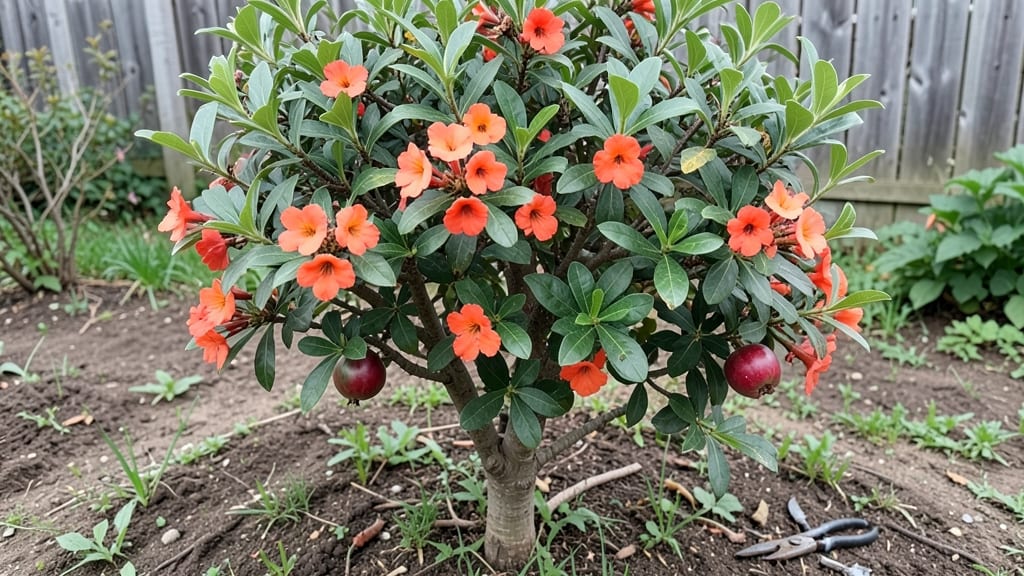
Salavatski pomegranate seeds need just the right dampness to wake up—too dry and they sleep forever, too wet and they rot before sprouting. 🌱 I’ve struggled with this variety’s stubborn germination, but after years of trial and error, I’ve cracked the code on moisture balance that finally gets those tiny seeds to crack open reliably.
The key isn’t complicated—it’s all about consistency. Start with a seed tray filled with a mix of 50% perlite and 50% sterile potting soil, then water until damp but never soggy. Think of it like a wrung-out sponge: moisture should feel like a light rain, not a downpour.
Place the tray in a warm spot (around 75°F) and cover it loosely with plastic wrap to trap humidity without suffocating the seeds.
Within 4-6 weeks, you’ll see those first green shoots pushing through—thin, delicate, and full of potential. Once they’ve got their second set of true leaves, transplant them into individual pots with well-draining soil.
The real magic happens when they start flowering, usually by their second year, where proper moisture balance during dormancy pays off with stunning blooms.
This variety thrives in USDA Zones 6-9, making it perfect for gardeners in mild climates who want a low-maintenance fruit tree. Just remember: patience is key—Salavatski pomegranates grow slowly but reward you with disease-resistant fruit that’s sweeter than store-bought varieties. Let’s get those seeds sprouting!
📚 In This Guide
- What you need
- Instructions
- Tips and common mistakes
- Wrapping up and next steps
What you need
- ● Salavatski pomegranate seeds – 10–20 fresh, plump seeds (harvested from ripe fruit, cleaned and dried).
- ● Well-draining potting mix – 2–3 cups (a blend of peat moss, perlite, and coconut coir in a 40:30:30 ratio for aeration).
- ● Small seed trays or pots – 2–4 (3–4 inch diameter with drainage holes).
- ● Spray bottle – 8–12 oz (for gentle moisture application).
- ● Plastic wrap or humidity dome – 1 sheet (to retain moisture during stratification).
- ○ Refrigerator or cold stratification setup – Optional but recommended (a cool, dark space (35–45°F) for 6–8 weeks).
- ● Tweezers or toothpick – For gently placing seeds in the soil.
- ● Ruler or measuring spoon – To ensure ¼-inch seed depth.
- ○ pH testing kit (optional) – To verify soil pH is 6.0–7.0 (ideal for germination).
- ● Grow lights or sunny windowsill – For 12–14 hours of indirect light/day post-stratification.
- ● Patience & consistency – Seeds may take 4–12 weeks to sprout!
Instructions for germinating Salavatski pomegranate seeds with controlled moisture
Here’s how to coax these finicky seeds into life using precise moisture techniques.
🌱 Step 1: Stratify Seeds to Break Dormancy
Salavatski pomegranates need cold stratification to mimic winter conditions. Place the seeds in a paper towel and dampen it with room-temperature water until evenly moist but not dripping. Fold the towel to wrap the seeds loosely—this prevents mold while maintaining humidity.
Place the wrapped seeds in a ziplock bag and seal it. Store the bag in your refrigerator for 8-12 weeks, checking monthly. The seeds should remain firm but not dry—if they feel sticky, they’ve molded. Cold stratification weakens the seed’s natural dormancy, ensuring synchronized germination once warmth returns.
💧 Step 2: Sow Stratified Seeds in Moisture-Controlled Medium
After stratification, fill a 4-inch pot with sterile seed-starting mix (never garden soil—it’s too dense). Moisten the mix until it holds together when squeezed but doesn’t clump. Press the soil down lightly to eliminate air pockets, then create ¼-inch-deep furrows with your finger.
Sow 2-3 seeds per pot at ½-inch intervals along the furrow. Cover them with a thin layer of mix, just enough to obscure their shape. Mist the surface until the top ½-inch feels damp—this prevents seed desiccation. Place the pot in a humidity dome or cover it with plastic wrap to trap moisture while allowing airflow.
☀️ Step 3: Balance Light and Moisture for Germination
Move the pot to a warm, bright location (ideal 70-75°F) with indirect light. Avoid direct sun—it overheats the soil and dries seeds too quickly. Check moisture daily: the top ½-inch should feel damp but not soggy. If it dries out, mist lightly; if it’s too wet, uncover for 30 minutes to air it.
Germination takes 4-8 weeks. You’ll see tiny green cotyledons first—this is your cue to reduce humidity. Once 50% of seeds sprout, remove the dome and increase airflow. Overcrowding now leads to leggy, weak seedlings. Thin to the strongest seedling per pot once they reach 2 inches tall.
🌿 Step 4: Transition to Independent Growth with Gradual Moisture Adjustments
After germination, shift pots to a south-facing window or under grow lights for 14+ hours daily. Water when the top inch of soil feels dry—Salavatski pomegranates hate soggy roots. Use a spray bottle for the first 2 weeks to avoid disturbing delicate roots, then switch to bottom-watering (place pots in ½-inch of water for 10 minutes weekly).
Fertilize lightly with diluted fish emulsion (¼ strength) 4 weeks after sprouting. You’ll notice dark green leaves and sturdy stems—signs of healthy growth. If leaves yellow, you’re overwatering. If they wilt, the soil’s too dry. This balance ensures robust seedlings ready for transplanting in 6-8 months.
Tips & tricks for germinating Salavatski pomegranate seeds
Mastering the delicate balance of moisture and temperature is what separates successful germination from failure. These hard-won insights will help you navigate the most common pitfalls with Salavatski pomegranate seeds.
The Humidity Factor: I learned the hard way that "evenly moist" means something very specific—your paper towel should feel like a wrung-out sponge, not a dripping washcloth. Too much moisture creates anaerobic conditions that breed mold, while too little prevents the seeds from absorbing water through their hard coats. For Step 1, I recommend using distilled water instead of tap water to avoid mineral buildup that can inhibit germination.
Stratification Temperature Secret: While the refrigerator provides consistent cold, I've found that the vegetable drawer—where temperatures hover around 35-40°F—works better than the main compartment (which can fluctuate). Place a small thermometer in your bag during the 8-12 week period to monitor temperatures. If your fridge runs warm, consider using a second refrigerator or a dedicated seed stratification setup with a temperature-controlled environment.
Soil Moisture Technique: The "squeeze test" for your seed-starting mix in Step 2 is more precise than it sounds. When you squeeze a handful, it should hold together but crumble when you tap it gently against the pot. This texture mimics the moisture retention of natural forest floors where pomegranate seeds would germinate. For the first 10 minutes after sowing, I place the pots in a shallow tray of water to ensure even moisture distribution from the bottom up—this prevents dry pockets that can kill seeds.
Germination Light Strategy: The 70-75°F range mentioned in Step 3 is critical, but what's often overlooked is the light quality. While indirect light is ideal, I've had better success with a combination of natural light and a simple LED grow light placed 6 inches above the pots for 12 hours daily. This mimics the gradual increase in daylight that triggers germination in spring. The key is to avoid any heat buildup from the light source—your seeds should never feel warm to the touch.
Pro Tips for Salavatski Pomegranate Seeds
- Mastering the delicate balance of moisture and temperature is what separates successful germination from failure.
- The Humidity Factor: I learned the hard way that "evenly moist" means something very specific—your paper towel should feel like a wrung-out sponge, not a dripping washcloth.
- Place a small thermometer in your bag during the 8-12 week period to monitor temperatures.
Frequently asked questions
Got questions about Salavatski pomegranate seeds and their dormancy-breaking magic? We’ve got answers!
Whether you’re troubleshooting germination or optimizing conditions, here’s what you need to know to grow these vibrant, reliable blooms.
How long does it take for Salavatski pomegranate seeds to germinate?
With the right moisture balance and dormancy treatment (like cold stratification), you can expect germination in 4–12 weeks. Patience is key—some seeds may take longer, especially if they’re fresh or haven’t undergone proper pre-treatment. Monitor soil moisture (keep it damp but not soggy) and maintain warmth (70–75°F) for best results.
Do I have to cold-stratify Salavatski pomegranate seeds?
Yes! Cold stratification (4–8 weeks in the fridge) breaks dormancy and dramatically improves germination rates. Skipping this step often leads to slow or uneven sprouting. For best results, mix seeds with damp sand or peat moss in a sealed bag and refrigerate before planting.
What’s the best moisture level for soaking or planting these seeds?
Aim for consistent dampness, not saturation. Soak seeds for 24 hours in room-temperature water before planting, then keep planting medium moist but well-draining. Overwatering can cause rot, while dryness halts germination. A spray bottle or bottom-watering tray helps maintain the perfect balance.
Can I grow Salavatski pomegranate seeds indoors?
Start seeds indoors 6–8 weeks before your last frost using a sunny windowsill or grow lights. Use a seed-starting mix, keep humidity high (a plastic dome or tray works), and transplant seedlings outdoors after hardening off. Just ensure your indoor space stays warm (65–75°F) and well-lit for strong growth.
My seeds aren’t sprouting—what should I do?
First, check for rot (mushy seeds) or dryness (hard, shriveled seeds). If seeds are viable but sluggish, try:
- Re-stratify: Return them to the fridge for another 2–4 weeks.
- Test viability: Crush a seed—if it’s green inside, it’s alive! Try a fresh soak.
- Adjust conditions: Move to a warmer spot or increase humidity with a humidity dome.
Wrapping up and next steps
Mastering the moisture balance for Salavatski pomegranate seeds unlocks the secret to vibrant, reliable blooms—no guesswork required! 🌱 By following the right dormancy-breaking techniques and maintaining consistent hydration, you’re setting your seeds (and future pomegranate trees) up for success. The key? Patience, precision, and a little green thumb love.
Ready to take the next step? Start small:
- Grab a few seeds and experiment with the moisture test.
- Track your progress in a seedling journal for future reference.
- Share your blooms with fellow plant enthusiasts—inspiration grows together! 🌸