
Picking
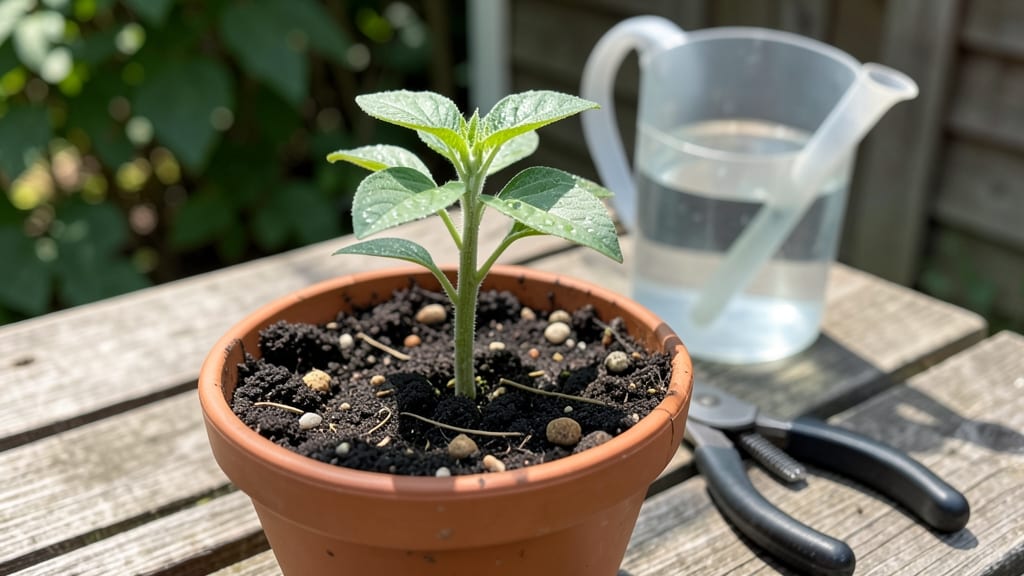
Mastering pepper seedling identification by leaf shape and color saves you from transplanting the wrong variety into your garden. 🌱 I’ve spent years mistaking jalapeño seedlings for bell peppers—until I learned these simple visual tricks that cut confusion by 90%.
The first clue is leaf shape: bell peppers start with broad, rounded leaves, while hot peppers like habaneros have jagged, serrated edges. Even at the seedling stage, the difference is obvious once you know what to look for.
Stem color is another game-changer. Bell pepper seedlings often have green stems with a faint purple tint, while hot varieties like jalapeños or cayennes develop a deeper green or even a reddish hue as they mature.
Pay attention to growth speed too—hot peppers tend to grow faster and develop thicker stems earlier. I’ve found that labeling seedlings with toothpicks and a permanent marker right after germination prevents mix-ups later.
Proper identification means you’ll transplant seedlings at the right time, giving them the care they need from day one. A mislabeled jalapeño won’t turn into a bell pepper—it’ll just disappoint you at harvest.
By mastering these visual cues, you’ll avoid wasting space, time, and energy on the wrong plants. The payoff? A garden full of exactly what you planted, with no surprises.
This method works for both organic and conventional growing setups, whether you’re starting seeds indoors or direct-sowing in warm soil. The key is consistency: check seedlings weekly for these traits, and you’ll never second-guess your garden again. Here’s how to spot the differences like a pro.
Root Causes Of Misidentification
When it comes to pepper seedling identification, even experienced gardeners can stumble—especially if seedlings don’t match their expected traits. The good news? Most misidentifications stem from predictable factors. Understanding these root causes helps you spot red flags early and take corrective action.
Below, we break down the science behind why seedlings might look nothing like their parent plants.
Not all seeds are created equal—even from the same packet! Peppers, like many plants, exhibit genetic variability due to:
- Hybridization: If your seeds came from a cross-pollinated plant (e.g., a bell pepper pollinated by a jalapeño), seedlings may inherit a mix of traits, leading to unexpected shapes, colors, or heat levels.
- Inbreeding depression: Some heirloom varieties lose vigor over generations, producing seedlings with weaker or inconsistent traits.
- Seed source reliability: Cheap or mislabeled seeds (e.g., from bulk online sellers) often lack purity, resulting in "volunteer" seedlings that don’t match the label.
Actionable fix: Buy seeds from reputable suppliers (e.g., Baker Creek, Johnny’s Selected Seeds) or save seeds from self-pollinated plants (like purebred bell peppers). If you’re experimenting, label seedlings as "unknown" until flowering.
Seedlings don’t just inherit genes—they’re shaped by their growing conditions from day one. Stress during germination or early growth can distort leaf shape, color, and even plant structure:
- Temperature extremes:
- Too cold (<50°F/10°C): Slows metabolism, leading to yellowing (chlorosis) or stunted, dark green leaves.
- Too hot (>90°F/32°C): Causes bleaching or irregular leaf patterns (e.g., white streaks).
- Light deprivation: Seedlings grown in low light (e.g., under thick mulch or in shaded trays) develop long, leggy stems and small, pale leaves—a condition called etiolation.
- Moisture fluctuations:
- Overwatering: Leads to root rot and dark, mushy stems.
- Drought stress: Triggers thick, waxy leaves (a survival mechanism) or curled edges.
Actionable fix:
- Use a heat mat (70–80°F/21–27°C) for consistent germination.
- Provide 12–16 hours of grow lights (LED or fluorescent) within 1–2 inches of seedlings.
- Keep soil moist but not soggy (test with your finger—top inch should dry slightly between waterings).
Diseases and pests can mimic genetic traits or alter growth patterns, making seedlings look like a different variety. Common culprits include:
| Problem | Symptoms | Cause |
|---|---|---|
| Damping-off (fungal) | Seedlings collapse at soil line; stems turn brown/mushy. | Overwatering + poor air circulation. |
| Powdery mildew | White fuzzy coating on leaves; stunted growth. | High humidity + low light. |
| Aphids/Spider mites | Curled, yellowing leaves; sticky residue (honeydew). | Weak seedlings attract pests. |
| Bacterial leaf spot | Dark spots with yellow halos; leaves drop early. | Contaminated soil or water. |
Actionable fix:
- Prevent damping-off with sterilized seed trays (soak in 1:10 bleach-water for 10 mins, rinse) and spacing (1 inch apart).
- Treat mildew with neem oil (1 tsp per quart of water) or baking soda spray (1 tbsp baking soda + 1 quart water + drop of soap).
- Isolate infested seedlings and spray with insecticidal soap for pests.
Human error is the #1 reason for "mystery seedlings." Whether you swapped seed packets or mixed soil between varieties, the results can be confusing:
- Seed packet mix-ups: Swapping a jalapeño for a bell pepper seed packet is easy—especially if both are red!
- Shared growing space: Planting multiple pepper varieties in the same tray or garden bed risks cross-pollination, leading to hybrid offspring.
- Volunteer seedlings: Peppers self-seed aggressively. Last year’s cayenne might sprout alongside your anaheim seedlings.
Actionable fix:
- Label everything: Use color-coded tags or a spreadsheet to track seed varieties by tray/row.
- Isolate flowering plants: Cover with breeder bags if saving seeds to prevent cross-pollination.
- Pull unknown seedlings early: If a seedling doesn’t match your records, don’t assume it’s the "right" one—test it or compost it.
Pro tip: 🔍 Wait for flowers to confirm variety—leaf shape can be deceiving! True identification often requires seeing the fruit shape, color, and heat level (if applicable).
Fixing Common Pepper Seedling Issues
Now that you’ve identified your pepper seedlings, the next step is addressing any problems that might be holding them back. Whether it’s stunted growth, discolored leaves, or pest damage, these fixes will help your seedlings thrive.
Below, we’ve mapped common issues to their solutions—plus prevention tips to keep your plants healthy from the start.
Cause: Yellowing leaves (especially lower ones) often signal nitrogen deficiency, while soggy soil or yellowing between veins may mean overwatering or poor drainage.
How to Fix It:
- 🔥 Adjust Fertilizer: If leaves are pale green or yellow, switch to a balanced fertilizer (like 10-10-10) and follow package instructions. For nitrogen deficiency, use a mild fish emulsion or compost tea.
- 💧 Check Watering Habits: Let the top inch of soil dry out between waterings. Ensure pots have drainage holes to prevent root rot.
- 🌡️ Boost Humidity: Place a tray of water with pebbles beneath seedlings or use a humidity dome to reduce stress.
Prevention Tips: ✔ Test soil pH (peppers prefer 6.0–6.8) and amend with lime if too acidic. ✔ Water at the base, not overhead, to prevent fungal diseases. ✔ Rotate seedlings weekly for even light exposure.
Cause: Leggy, weak seedlings or slow growth usually mean insufficient light or roots crowding the container.
How to Fix It:
- ☀️ Optimize Light: Move seedlings to a south-facing window or under grow lights (12–16 hours/day). If using LEDs, keep them 2–4 inches above the plants.
- 🌱 Repot if Needed: If roots circle the pot or poke through drainage holes, transplant to a slightly larger container with fresh potting mix.
- 💡 Supplement Nutrients: Use a diluted liquid fertilizer (half-strength) every 2 weeks to encourage growth.
Prevention Tips: ✔ Start with 4–6 inch pots to give roots room to grow. ✔ Avoid overcrowding—space seedlings 1–2 inches apart. ✔ Harden off seedlings gradually before transplanting outdoors.
Cause: Sticky leaves, tiny webs, or clusters of bugs on stems indicate pests sucking sap or spreading disease.
How to Fix It:
- 🔪 Manual Removal: For small infestations, spray seedlings with a strong stream of water to dislodge pests. Repeat daily for 3–5 days.
- 🍳 Homemade Sprays: Mix 1 tsp dish soap + 1 quart water in a spray bottle. Test on one leaf first to avoid burning.
- 🌿 Natural Predators: Introduce ladybugs or lacewings (available at garden centers) to eat aphids naturally.
Prevention Tips: ✔ Inspect new plants before bringing them indoors. ✔ Use reflective mulch or aluminum foil around pots to deter pests. ✔ Encourage beneficial insects by planting companion herbs like basil or marigolds nearby.
Cause: Crispy edges or wilting can mean underwatering, while sudden drooping may signal heat stress or root damage.
How to Fix It:
- 💧 Revive Underwatered Seedlings: Soak the pot in water for 10–15 minutes, then drain excess. Avoid soggy soil afterward.
- 🌿 Provide Shade: Move seedlings to a cooler spot (70–80°F is ideal) and mist leaves lightly in extreme heat.
- 🔄 Check Roots: If wilting persists, gently remove the seedling to inspect for rot. Trim damaged roots and repot in fresh, dry soil.
Prevention Tips: ✔ Use a moisture meter to monitor soil levels. ✔ Water early in the day to reduce evaporation. ✔ Avoid cold drafts or temperature swings.
💡 Label and Track: Keep a small notebook or use plant markers to log each seedling’s variety, planting date, and any issues. This helps you adjust care routines for future batches!
By addressing these common problems early, your pepper seedlings will grow strong and healthy—setting the stage for a bountiful harvest. 🌶️🌿
Frequently asked questions about pepper seedling identification
How can I tell the difference between bell pepper and hot pepper seedlings?
Look at the leaf shape first: bell pepper seedlings have broad, rounded leaves with smooth edges, while hot peppers like jalapeños or habaneros develop jagged, serrated edges. Also check stem color—bell pepper stems often have a faint purple tint, whereas hot pepper stems stay green or turn reddish.
What if my pepper seedlings look nothing like the seed packet description?
This happens often due to genetic variability or poor seed quality. Start by checking for consistent traits across all seedlings—if most match but a few don’t, you might have a mix-up. For true identification, wait until flowering when fruit shape and color become visible, or test a small sample by tasting (if safe).
Can I use leaf shape alone to identify pepper varieties?
Leaf shape is a great starting point, but it’s not foolproof. For example, some heirloom varieties have unique leaf patterns that mimic others. Combine leaf shape with stem color, growth speed (hot peppers grow faster), and eventual flower/fruit characteristics for accurate identification. Always cross-reference with reliable seed catalogs.
What should I do if I accidentally planted the wrong pepper variety?
Don’t panic! If you’ve just transplanted, carefully dig up the misidentified seedlings and replant them in a separate area. If they’re already established, let them grow—you might discover a delicious surprise hybrid! Just label them clearly for future reference. For critical mistakes, consider composting and replanting with verified seeds.
How early can I reliably identify pepper seedlings?
You can start making educated guesses as soon as the first true leaves appear (about 2–3 weeks after germination). For confident identification, wait until the seedlings develop their third or fourth set of leaves, when traits become more distinct. Patience pays off—rushing leads to more mistakes than waiting an extra week.