
Propagation
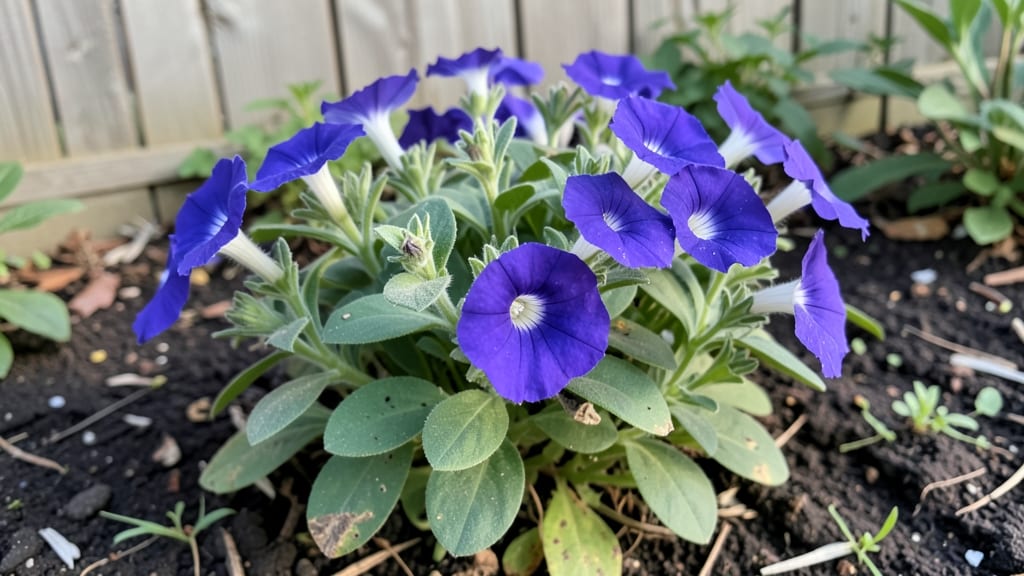
Buying petunia seeds online unlocks a world of vibrant colors and blooms that last from spring through frost. 🌸 I’ve grown petunias from seed for years, and the key to success starts with the right varieties—some germinate faster, others thrive in heat, and a few even rebloom after deadheading.
The trick isn’t just picking seeds; it’s knowing which ones match your climate and sunlight.
You’ll need a sunny spot, well-draining soil, and patience for the first few weeks while seedlings sprout. Most online sellers include germination instructions, but I’ve found that keeping seeds warm and moist under grow lights speeds things up.
The payoff? Petunias that outperform nursery plants by lasting longer and flowering more prolifically.
Once established, these plants practically take care of themselves—watering once a week in hot weather keeps them happy. The real magic happens when they fill containers or borders with cascading blooms in every shade imaginable. No deadheading? No problem; some varieties self-clean.
For beginners, start with heat-tolerant varieties like ‘Wave’ or ‘Supertunia’—they’re forgiving and reliable. After your first successful batch, you’ll want to experiment with trailing types or bi-colors. The best part? These seeds are cheaper than transplants and arrive when you’re ready to plant.
📚 In This Guide
- What you need
- Instructions
- Tips and common mistakes
- Wrapping up and next steps
What you need
- ● Petunia seeds online: Choose a variety (e.g., Petunia × hybrida)—start with 50–100 seeds for a small patch or 200+ seeds for a full garden bed.
- ● Seed-starting mix: 1–2 gallons of sterile, well-draining potting soil (avoid garden soil—it’s too dense!).
- ● Seed trays or small pots: 52-cell trays (for precision) or 4–6 inch pots (for larger seeds).
- ● Grow lights or sunny windowsill: A 12–16 hour daily light exposure (grow lights work best for indoor starts).
- ● Spray bottle: For gentle watering (avoid over-saturating seeds!).
- ● Plastic wrap or humidity dome: To retain moisture during germination.
- ● Heating mat: Speeds up germination (ideal for cooler climates).
- ● Fertilizer (balanced, 10-10-10 or 5-5-5): Lightly mix into soil after seeds sprout.
- ● Tweezers: For delicate seed placement (especially tiny petunia seeds!).
- ● Labeled markers: To track seed varieties and planting dates.
- ● Pruning shears: For trimming leggy seedlings later.
- ● Patience: Petunia seeds take 7–21 days to germinate—stay consistent!
- ● Warmth: Ideal germination temp: 70–75°F (21–24°C).
- ● Space: Seedlings need 6–12 inches apart when transplanted outdoors.
- ● Sunlight access: Full sun (6+ hours daily) for blooming.
Step-by-Step instructions for growing petunias from online seeds
Here's my foolproof method for transforming tiny petunia seeds into a vibrant, low-maintenance flowering display.
🌱 Step 1: Prepare Containers and Seed Starting Mix
Fill 4-inch diameter biodegradable pots with a sterile seed-starting mix—petunia seeds need light to germinate, so avoid covering them with heavy soil. I use a shallow tray to hold all four pots together, making watering and care easier. Moisten the mix until it's damp like a wrung-out sponge, but not soggy.
Press the soil surface down lightly with your fingers to create a firm, even planting bed. This prevents seeds from washing away when you water. Here's the thing—petunia seeds are tiny, so I use a toothpick to create tiny divots about ⅛ inch deep where I'll place each seed individually. This precision prevents overcrowding later.
🌱 Step 2: Sow Seeds and Create Ideal Germination Conditions
Sprinkle 2-3 seeds per pot into the divots, spacing them ¼ inch apart. Cover them with a thin layer of fine vermiculite—just enough to barely conceal the seeds. Petunia seeds need darkness to germinate, so don't press them into the soil. Mist the surface with water until evenly damp, then cover the tray with clear plastic wrap to trap humidity.
Place the tray in a warm spot with 75-80°F soil temperatures—this is critical for germination. I use a seedling heat mat under the tray, which speeds up germination from 14-21 days to just 7-10 days. Watch for condensation on the plastic wrap; if it disappears, mist again to maintain moisture. This humidity barrier prevents seeds from drying out before they sprout.
☀️ Step 3: Provide Light and Thin Seedlings
Once seedlings emerge, remove the plastic wrap immediately to prevent damping-off disease. Move them under grow lights for 14-16 hours daily, keeping the lights 2-3 inches above the seedlings. Petunias grow leggy fast if light is insufficient—you'll see thin, pale stems reaching toward the light source. Adjust the light height weekly to maintain that distance.
When seedlings develop their first true leaves (the second set after the initial cotyledons), thin to the strongest seedling per pot. Use small scissors to snip the weaker ones at soil level—don't pull them, which disturbs roots. This gives remaining plants room to grow without competition. Water from the bottom now, letting pots sit in ½ inch of water for 10 minutes to encourage strong root development.
🪴 Step 4: Harden Off and Transplant for Year-Round Blooms
Two weeks before your last frost date, begin hardening off by placing seedlings outside in partial shade for 1 hour daily. Gradually increase exposure over 10-14 days, ending with full sun. Petunias tolerate light frosts but prefer 60-75°F daytime temperatures. If planting in fall for winter blooms, use a 4-inch container with drainage holes and place it in a sheltered spot.
Transplant seedlings into their final location after all danger of frost has passed. Space them 10-12 inches apart in garden beds or 6-8 inches apart in containers. Water deeply at transplanting to settle the soil and reduce shock. Here's the secret to continuous blooms: Deadhead spent flowers weekly by pinching them off at the base—this redirects energy to new buds instead of seed production.
Tips & tricks for perfect petunia seed germination
These precision techniques will transform your online petunia seeds into a thriving, year-round flowering display with minimal fuss.
Seed Placement Precision: In Step 1, that ⅛-inch depth for your seeds isn't just arbitrary—it's the Goldilocks zone. Too shallow and seeds dry out; too deep and they suffocate. Use a toothpick to create divots, then place seeds gently with tweezers for perfect placement. I've found that spacing seeds ¼ inch apart in Step 2 prevents overcrowding later, giving roots room to establish without competition.
Temperature Control: The 75-80°F soil temperature range in Step 2 is non-negotiable for germination. If your home runs cooler, invest in a seedling heat mat—it's the difference between 14-21 days and just 7-10 days to sprouting. Pro tip: Place your thermometer in the soil, not the air, to get accurate readings. Cold soil delays germination by weeks.
Light Management: Those 14-16 hours of grow light in Step 3 are crucial, but position matters. Keep lights 2-3 inches above seedlings and adjust weekly as they grow. I've seen leggy seedlings when lights were too far away—stems stretch desperately toward light when they're starved for photons. A simple rule: if you can touch the seedlings without raising your hand, the lights are too close.
Harden Off Gradually: The 1-hour daily outdoor exposure in Step 4 should increase by 30 minutes every 2-3 days. Sudden full sun exposure can shock tender seedlings, causing sunburn. I've learned this the hard way—once burned seedlings took weeks to recover. For winter blooms, use containers with drainage holes to prevent root rot in cooler temperatures.
Pro Tips for Petunia Seeds Online
- These precision techniques will transform your online petunia seeds into a thriving, year-round flowering display with minimal fuss.
- Seed Placement Precision: In Step 1, that ⅛-inch depth for your seeds isn't just arbitrary—it's the Goldilocks zone.
- Temperature Control: The 75-80°F soil temperature range in Step 2 is non-negotiable for germination.
Frequently asked questions
Got questions about growing petunias from seeds you’ve ordered online? You’re not alone!
Here are answers to the most common concerns—so you can dive into your vibrant garden with confidence.
When is the best time to plant petunia seeds online?
Petunias thrive with a long growing season, so start seeds 8–10 weeks before your last frost date (indoors). For most climates, this means February–March. If you’re in a warm zone, you can direct-sow in early spring. Use grow lights or a sunny windowsill to speed up germination!
How long do petunia seeds take to germinate?
Petunia seeds are slow starters—expect germination in 14–30 days (sometimes longer!). Keep soil consistently moist (not soggy) and maintain 70–75°F (21–24°C). Pro tip: A humidity dome or plastic wrap can help. Patience pays off—tiny sprouts will appear!
Are petunia seeds online more expensive than buying plants?
Yes, but they’re cost-effective for long-term gardening! A packet of seeds (50–100 seeds) costs $2–$5, while a single plant at a nursery runs $5–$10+. Plus, growing from seed gives you more varietyg and control over your plants. Bonus: Save seeds from your best blooms for next year!
Why aren’t my petunia seedlings growing strong?
Weak seedlings often stem from overcrowding, poor light, or inconsistent care. Thin seedlings to 2–3 inches apart and provide 12–16 hours of light daily. Check for pests (like aphids) and ensure pots have drainage. Fix it: Use a balanced fertilizer (diluted) once true leaves appear!
Can I grow petunias from online seeds in containers?
Petunias love containers—just use pots at least 6–8 inches deep with drainage holes. Group 3–5 plants per container for a full, trailing look. Tip: Choose lightweight, fast-draining mixes (like 60% potting soil + 40% perlite) to prevent root rot.
Do petunia seeds need stratification or scarification?
Nope! Petunia seeds don’t require cold treatment (stratification) or scratching (scarification). Simply press them lightly into moist soil—they need light to germinate. Exception: If seeds are old (>1 year), soak them in warm water for 24 hours to soften the outer shell.
Wrapping up and next steps
Growing petunias from seeds online is a rewarding journey that brings vibrant colors and joy to your garden with minimal effort. Whether you're a beginner or a seasoned gardener, these hardy blooms thrive with just a little sunlight, water, and love—proving that beauty doesn’t require complexity. 🌸
Now that you’re armed with tips and answers, it’s time to take action! Browse trusted seed suppliers, pick your favorite varieties, and let your garden transform into a lively canvas. Happy planting—your future blooms are waiting! 🌱