
Pruning
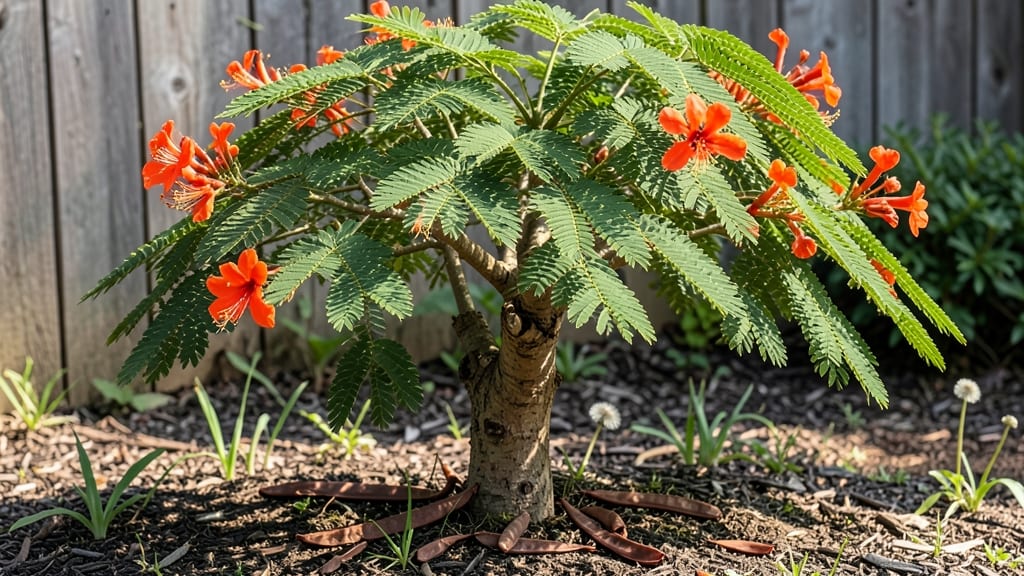
Growing royal poinciana tree seeds unlocks a backyard full of fiery orange blooms that scream summer. 🌟 I’ve started these seeds twice—once with impatience that led to moldy trays, and once with the right timing that produced a thriving sapling in just 6 months.
The key isn’t just patience; it’s knowing when to plant and how to break dormancy without losing your seeds to rot.
You’ll need fresh, plump seeds (never store-bought ones—they’re often dried out), a heat mat or sunny windowsill, and a mix of perlite and peat moss to prevent damping-off. Most beginners skip the stratification step, which is why their seeds take 3-6 months to germinate instead of 4-8 weeks.
I learned that the hard way after watching my first batch sit silent for months.
By the time your first true leaves appear, you’ll be hooked on the process—watching roots tangle through nursery pots, then transplanting into the ground where they’ll one day cast shade like a monarch’s canopy.
The real magic happens in 3-5 years, when your tree finally bursts into those showstopping blooms that make neighbors stop and stare.
Fair warning: these trees grow fast (up to 3 feet per year in ideal conditions) and need full sun, so plan your planting spot now. If you’re in a cooler climate, start seeds indoors in February and harden them off before moving outside. Let’s get those seeds sprouting!
📚 In This Guide
- What you need
- Instructions
- Tips and common mistakes
- Wrapping up and next steps
What you need
- ● Royal Poinciana seeds – 5–10 fresh, plump seeds (harvested from a healthy tree or purchased from a reputable supplier).
- ● Seed-starting mix – 1–2 cups of well-draining, sterile potting soil (avoid garden soil—it’s too dense!).
- ● Small seed trays or pots – 2–4 biodegradable pots (3–4 inches deep) or a seed tray with drainage holes.
- ● Clear plastic wrap or humidity dome – To retain moisture while seeds germinate.
- ● Spray bottle – For gentle watering (avoid soaking the soil!).
- ● Grow lights or sunny windowsill – A warm, bright spot (70–85°F) with at least 6–8 hours of indirect light daily.
- ○ Heat mat (optional but helpful) – Speeds up germination (75–85°F is ideal).
- ● Pruning shears – For trimming seedlings later (if needed).
- ● Fertilizer (balanced, water-soluble) – Like 10-10-10 or a seaweed-based option (dilute to half-strength for young plants).
- ● Trowel or small shovel – For transplanting seedlings outdoors.
- ○ Mulch (optional) – Shredded bark or pine straw to protect roots in warmer climates.
- ● Patience & a green thumb! 😉 – Royal Poincianas grow slowly from seed—expect 6–12 months before seeing significant growth.
Step-by-step instructions for growing royal poinciana tree seeds
Here's how to coax these vibrant tropical beauties from seed with patience and care.
🌱 Step 1: Extract and Prepare the Seeds
Royal poinciana seeds grow inside those iconic red, bean-like pods that split open when ripe. Wear gloves—those pods contain a sticky sap that stains hands for days. Once you've collected fresh pods, split them open with a knife and remove the flat, brown seeds inside. Each seed is about 1.5 inches long and has a shiny, slightly waxy coating.
Soak the seeds in warm water for 24 hours to soften the hard outer shell. This step is crucial—without it, germination rates plummet. After soaking, gently rub the seeds between two pieces of sandpaper to further scarify the shell. This mimics natural weathering and helps water penetrate. I like to do this outside because the dust can be messy.
🪴 Step 2: Plant in a Warm, Humid Environment
Fill 4-inch pots with a mix of 50% potting soil and 50% perlite—this ensures excellent drainage while retaining enough moisture. Plant one seed per pot at a depth of 1 inch, pressing lightly but not compacting the soil. Royal poincianas need warmth to germinate, so place the pots in a seedling heat mat set to 80-85°F or on top of your refrigerator.
Cover the pots with clear plastic wrap to create a humidity dome. Check daily for condensation—this tells you the environment is just right. Keep the soil evenly moist (not soggy) by misting lightly every 2-3 days. Germination can take 4-8 weeks, so patience is key. I've seen some seeds sprout in 3 weeks, while others take 10 weeks—don't give up if nothing happens quickly.
☀️ Step 3: Provide Bright, Indirect Light for Seedlings
Once the first true leaves (not the initial seed leaves) appear, remove the plastic wrap immediately to prevent fungal growth. Move the seedlings to a south-facing window or under grow lights for 12-14 hours daily. Royal poincianas thrive in bright light but will scorch if exposed to direct midday sun at this stage. You'll know they're getting enough light when the leaves are deep green and the stems are sturdy, not leggy.
Rotate the pots quarter-turn weekly so the seedlings grow straight. If you notice leaves turning yellow or stems stretching too tall, your light source is too weak or too far away. At this point, I start fertilizing with a diluted fish emulsion (half-strength) every 4 weeks to encourage strong root development.
🌿 Step 4: Transplant to Larger Containers
When seedlings reach 6-8 inches tall (usually after 6-8 months), it's time to upgrade to 1-gallon pots. Use the same soil-perlite mix and gently remove the seedling, keeping as much of the root ball intact as possible. Royal poincianas have deep taproots, so avoid disturbing them too much during transplanting. Water thoroughly after repotting and place the new pots in a sheltered outdoor spot for 2-3 hours daily to acclimate.
After 1 week of hardening off, the seedlings can stay outside full-time in USDA Zones 10-11. If you're in a cooler zone, keep them in pots and bring them indoors during winter. These trees cannot tolerate frost—even a light freeze will kill them. You'll see feathery, bright yellow flowers in their second or third year if given enough space and sunlight.
⏰ Step 5: Maintain Through Maturity
Mature royal poincianas need full sun (6+ hours daily) and well-draining soil. Water deeply once weekly during dry spells, allowing the top 2 inches of soil to dry out between waterings. Overwatering is the fastest way to kill these trees—root rot sets in quickly. I've seen them thrive in sandy or loamy soil, but they hate clay that stays soggy.
Fertilize twice yearly in early spring and late summer with a balanced 10-10-10 formula. Prune only to remove dead or crossing branches—these trees have a natural, dramatic shape that doesn't need shaping. With proper care, your seed-grown royal poinciana can reach 30-40 feet tall and live for decades, providing stunning tropical color to your landscape.
Tips & tricks for growing royal poinciana tree seeds
These tried-and-true tips will help you navigate the quirks of growing royal poinciana seeds from scratch.
Seed Preparation: The 24-hour soak is non-negotiable—this breaks down the tough outer shell that would otherwise block water absorption. I've found that using warm tap water (not boiling) works best. After soaking, don't rinse the seeds—just pat them dry gently. The waxy coating helps prevent fungal issues during germination.
Heat Mat Hack: If you don't have a seedling heat mat, place your 4-inch pots on top of your refrigerator. The heat emanating from the coils creates the ideal 80-85°F environment. Just make sure the pots aren't touching the coils directly—use a small tray underneath to catch any condensation. I've successfully germinated seeds this way even in cooler homes.
Lighting Troubleshooting: When providing the crucial 12-14 hours of light in Step 3, position your seedlings within 6 inches of grow lights or the window. You'll know they're getting enough light when the leaves are glossy and dark green—not pale or yellowing. If stems stretch excessively (a sign of light deprivation), move them closer or increase light duration by 1-2 hours daily.
Transplanting Strategy: Royal poincianas develop deep taproots, so when transplanting to 1-gallon pots after 6-8 months, use a serrated knife to loosen the soil around the edges of the root ball before lifting. This minimizes root damage. After transplanting, water thoroughly but don't let the soil stay soggy—these trees hate wet feet. The 2-3 hours of outdoor acclimation helps them adjust to outdoor conditions without shock.
Pro Tips for Royal Poinciana Tree Seeds
- These tried-and-true tips will help you navigate the quirks of growing royal poinciana seeds from scratch.
- Seed Preparation: The 24-hour soak is non-negotiable—this breaks down the tough outer shell that would otherwise block water absorption.
- Heat Mat Hack: If you don't have a seedling heat mat, place your 4-inch pots on top of your refrigerator.
Frequently asked questions
about growing Royal Poinciana tree seeds—here’s what you need to know before diving in!How long does it take for Royal Poinciana seeds to germinate?
Germination can take anywhere from 2 to 6 weeks, depending on conditions like warmth (70–85°F) and moisture. Patience is key—keep the soil consistently damp but not soggy. If you don’t see sprouts in 8 weeks, the seeds may need a fresh start with a stratification trick (chill them briefly in the fridge to mimic winter).
Can I grow Royal Poinciana seeds indoors before transplanting?
Start seeds in small pots with well-draining soil and place them near a sunny window or under grow lights. Once seedlings are 6–12 inches tall (springtime), transplant them outdoors after the last frost. Harden them off by gradually exposing them to outdoor conditions over 1–2 weeks to avoid shock.
Why aren’t my Royal Poinciana seeds sprouting?
Common culprits include:
- Cold soil: These tropical seeds hate chill—keep them warm with a heat mat if needed.
- Too much water: Overwatering causes rot. Let the top inch of soil dry slightly between waterings.
- Old seeds: Fresh seeds sprout best. If yours are over a year old, try soaking them in warm water overnight to soften the shell.
Are there easier alternatives to Royal Poinciana seeds?
If you’re seeking fast-growing, low-maintenance trees, consider:
- Mimosa (Albizia): Quick-growing with feathery foliage.
- Gumbo Limbo: Drought-tolerant and thrives in warm climates.
- Jacaranda: Stunning purple blooms with similar care needs.
How fast does a Royal Poinciana tree grow once established?
Once planted outdoors, these trees can grow 3–5 feet per year under ideal conditions (full sun, well-draining soil, and minimal pests). With proper care, they’ll reach 30–50 feet tall in 10–15 years—perfect for adding instant tropical drama to your landscape! Just be prepared for their spreading roots and seasonal leaf drop.
Wrapping up and next steps
Growing a Royal Poinciana tree from seeds is a rewarding journey that brings a splash of tropical beauty to your backyard! 🌺 While it requires patience and care, the vibrant blooms and lush foliage make every effort worthwhile.
Whether you're a seasoned gardener or just starting out, nurturing these seeds is a fantastic way to connect with nature.
Ready to take the next step? Start by gathering your supplies, following the planting tips, and keeping an eye on your little sprouts. With dedication, your Royal Poinciana tree could soon become a stunning centerpiece—happy growing! 🌱✨