
Flowers
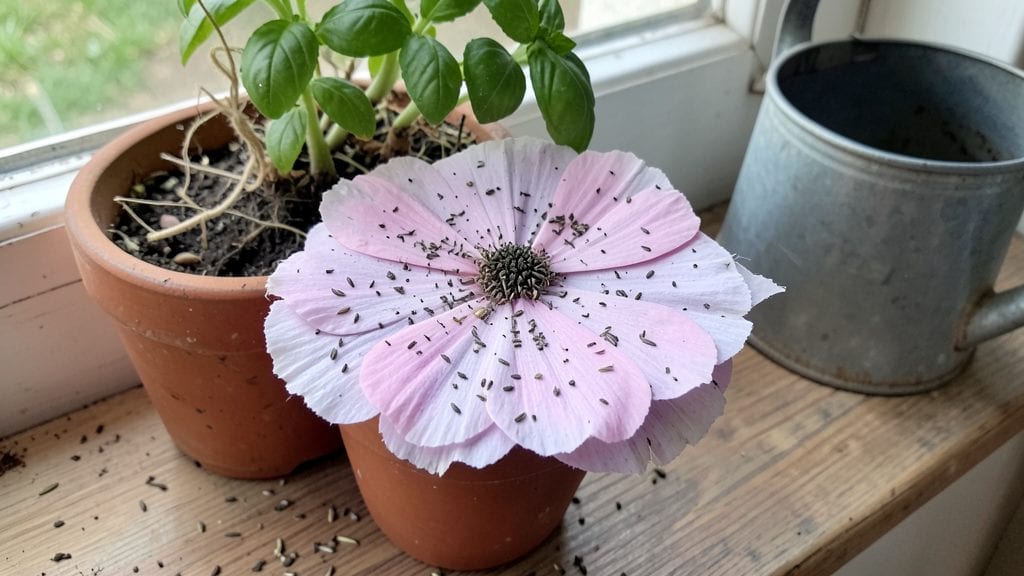
Creating seeded paper flowers lets you craft vibrant botanical decorations that transform into living plants when planted. These eco-friendly projects use watercolor paper, non-toxic adhesives, and wildflower seeds to produce biodegradable garden art that also functions as pollinator-friendly seed bombs.
These hybrid crafts blend artistry with ecology, turning your creations into functional garden starters.
The key lies in selecting fast-sprouting native wildflowers like cosmos or black-eyed Susans, which germinate quickly and attract pollinators. 🌸 I've found that using a light watercolor paper base (around 120 lb weight) prevents tearing while allowing seeds to make contact with soil later.
The real magic happens when you press the finished flowers between heavy books for 24 hours—this ensures the seeds stay securely embedded until planting time.
What makes this technique special is how it merges two purposes: your paper flowers serve as decorative pieces while secretly carrying the potential for new plant life. Many crafters use them as centerpieces that guests can later plant in their gardens, creating a memorable and sustainable experience.
The process also teaches valuable lessons about seed viability and native plant ecosystems.
💡 In This Article
- Choosing the Right Seeds for Paper Flower Crafts
- Step-by-Step Techniques for Durable Seeded Paper Flowers
Choosing the right seeds for paper flower crafts
When selecting seeds for your botanical paper creations, germination speed is the most critical factor. Fast-sprouting annuals like cosmos (7-10 days) or sunflowers (10-14 days) create immediate visual rewards, while slow-growing perennials such as lavender (21-30 days) require more patience.
The key difference lies in their seed coatings—thin-coated annuals adhere better to paper than thick, waxy perennial seeds, which often need extra glue reinforcement. 🌱
Seed size also affects adhesion and visibility. Tiny wildflower seeds (1-2mm) like poppies create delicate, intricate patterns but may require fine-tipped brushes for application, while larger seeds (3-5mm) like nasturtiums provide bold visual impact but need strategic placement to maintain aesthetic balance.
Native species offer ecological benefits by supporting local pollinators, though non-native varieties often have higher germination rates in controlled environments.
The seasonal planting window determines which seeds you should choose. Spring-blooming varieties like bachelor's buttons thrive when planted in early spring (March-April), while summer annuals such as zinnias prefer late spring planting (May-June).
Fall-planted seeds like calendula need 8-10 weeks of cool weather before frost to establish roots. This timing affects both your crafting schedule and the eventual blooming period of your paper flowers.
Seed viability becomes particularly important with paper flowers, as they'll remain dormant until planted. Always check for 90%+ germination rates on seed packets, and store unused seeds in airtight containers with silica gel packets to maintain moisture balance.
What most crafters don't realize is that seeds older than 2 years lose 30-50% viability, so opt for fresh seed packets whenever possible for reliable results. 🌿
Consider the environmental conditions where your paper flowers will eventually grow. Drought-tolerant seeds like blanket flower (Gaillardia) work well in dry climates, while moisture-loving varieties like impatiens thrive in shaded garden spots.
The paper's thickness (typically 120-140 lb watercolor paper) should complement the seed's growth requirements—thicker paper suits larger seeds that need more structural support during germination.
For maximum impact, combine seeds with different bloom times in single flowers. This creates layered visual effects as different species sprout and mature at varying rates. For example, pairing fast-growing cosmos with slower black-eyed Susans creates an evolving garden display that changes over 4-6 weeks.
The secret is strategic placement—place faster-growing seeds in the flower's center where they'll be most visible during early stages of growth. ✨