Pruning
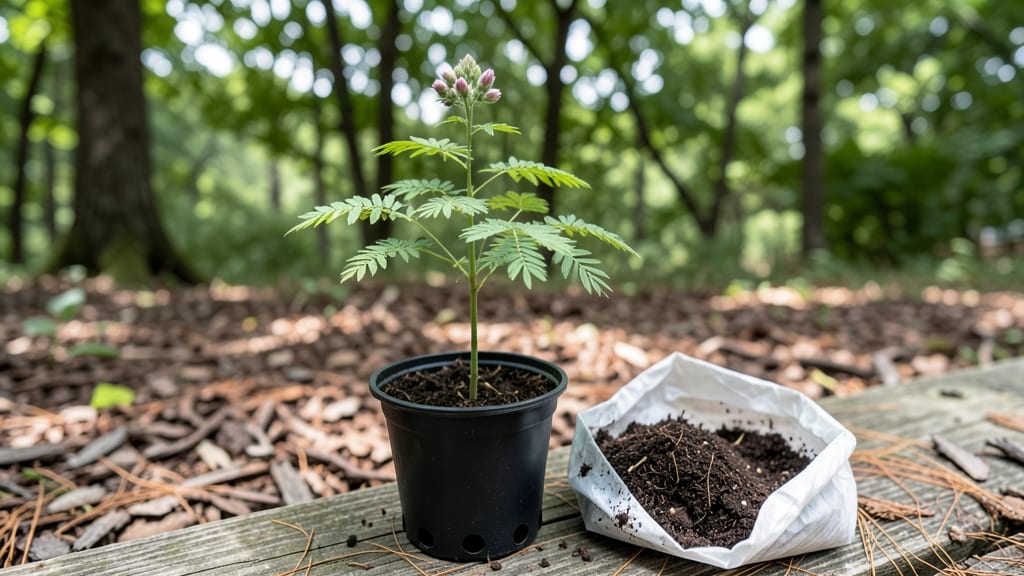
Growing a silk tree seedling into a fast-growing privacy screen in just three years starts with the right care from day one. 🌱 I’ve watched these delicate seedlings transform into towering, feathery trees that block wind and traffic noise—once you know their quirks.
The key? Mimicking their native habitat with just enough sunlight, water, and patience to let those compound leaves unfurl.
Silk trees thrive in full sun but tolerate partial shade, making them versatile for fences or borders. They love well-draining soil—think sandy loam mixed with compost—and hate soggy roots, so raised beds or slopes work best.
Water deeply once a week after planting, then let the top inch dry out before repeating. Young seedlings need consistent moisture, but overwatering is their biggest enemy.
By year two, you’ll see rapid growth—10 to 15 feet tall—if you prune lightly in late winter to encourage a bushier shape. The feathery pink blooms in summer are a bonus, but don’t let them distract you from the real goal: that lush, leafy screen.
Just avoid heavy pruning too early, or you’ll stunt their fast growth.
Here’s where most gardeners trip up: silk trees are sensitive to cold snaps. Mulch heavily in winter to protect roots, and watch for spider mites on new growth. With these basics, your seedling will outpace expectations—no slow starts here. Let’s get those roots growing deep.
📚 In This Guide
- What you need
- Instructions
- Tips and common mistakes
- Wrapping up and next steps
What you need
- ● Silk tree seedlings: 3–5 healthy 1–2 ft tall saplings (ensure they’re disease-free and well-rooted).
- ● High-quality potting mix: 5–10 gallons (well-draining, slightly acidic, pH 6.0–7.0).
- ● Organic fertilizer: Slow-release granular (10-10-10 or 14-14-14, 1 lb per seedling).
- ● Mulch: 2–3 inches of wood chips or pine straw (to retain moisture and suppress weeds).
- ● Garden trowel or shovel: For planting and soil prep.
- ● Watering can or hose with a gentle nozzle: 1–2 gallons per seedling for initial watering.
- ● Measuring tape or ruler: To space seedlings 10–15 ft apart (for optimal growth).
- ● Pruning shears: For shaping and trimming (sterilized with rubbing alcohol).
- ● Erosion control fabric: If planting on a slope.
- ● Drip irrigation system: For consistent moisture (especially in hot climates).
- ● Tree guards or protective netting: To shield young seedlings from pests.
- ● Soil pH test kit: To ensure ideal growing conditions.
Step-by-step instructions for growing silk tree seedlings
Here's how to get your silk tree seedlings off to a strong start for that lush privacy screen in record time.
🌱 Step 1: Collect and Prepare Seeds
Silk tree seeds ripen in late summer, so gather them from healthy pods when they turn brown and papery. Open the pods carefully—seeds inside are hard and dark brown. I like to soak them in warm water for 24 hours to soften the outer shell, which speeds up germination. This step is key because silk tree seeds have thick coats that slow down sprouting.
After soaking, plant the seeds ¼ inch deep in moist soil. Don't bury them too deep—they need light to germinate. I use a small container with drainage holes to prevent waterlogging, which can rot the seeds before they even sprout. Keep the soil consistently damp but not soggy during this phase.
💧 Step 2: Provide Warmth and Moisture for Germination
Silk tree seeds thrive in warmth, so place your container in a spot with 70-80°F soil temperature. A seedling heat mat works wonders if your home runs cooler. Germination can take 2-4 weeks, so patience is key—don't disturb the soil or move the container during this time. I cover the container with plastic wrap to retain moisture, but I remove it once sprouts appear.
Watch for the first tiny leaves—this is your signal that germination has succeeded. Once the seedlings reach 2 inches tall, they're ready for their first transplant into slightly larger containers. This gradual move prevents shock and encourages strong root development. Water gently but thoroughly after transplanting to help the roots settle.
☀️ Step 3: Move to Bright, Indirect Light
Silk tree seedlings need bright, indirect light to grow sturdy and avoid becoming leggy. A south-facing window with sheer curtains works well, but direct midday sun can scorch young leaves. If you notice the seedlings stretching toward the light with long, thin stems, they need more light—adjust their position or supplement with a grow light for 12-14 hours daily.
Rotate the containers a quarter turn every few days so the seedlings grow evenly. You'll see strong, compact growth when the light is just right. Once the seedlings have 4-6 true leaves, they're ready for their final planting spot. This timing ensures they're robust enough to handle outdoor conditions without stress.
🪴 Step 4: Plant Outdoors for Fast Growth
Choose a location with full sun and well-draining soil—silk trees grow best in slightly acidic to neutral soil. Dig a hole twice as wide as the root ball but no deeper. Gently remove the seedling from its container, loosen the roots if they're circling, and place it in the hole. Backfill with soil and water deeply to eliminate air pockets.
Mulch around the base with 2-3 inches of organic mulch to retain moisture and regulate soil temperature. Silk trees are drought-tolerant once established, but young seedlings need consistent watering—once a week during dry spells. You'll see rapid growth in the first year, with the tree reaching 6-10 feet tall by its third year, giving you that fast privacy screen you're after.
Tips & tricks for perfect silk tree seedlings
A few strategic moves can transform your silk tree seedlings from slow starters to rapid growers—here's what I've learned the hard way.
The Soaking Secret: That 24-hour warm water soak isn't just about softening the seed coat—it's about breaking dormancy. I've found using a glass jar with warm (not hot) water works best. Place the jar in a dark cupboard to maintain consistent temperature. After soaking, give the seeds a quick rinse before planting to remove any potential mold spores that might have developed during soaking.
Temperature Matters: The 70-80°F soil temperature range is crucial—this mimics the silk tree's natural tropical environment. If your home runs cooler, I recommend using a seedling heat mat underneath the container. Pro tip: Place a thermometer in the soil to monitor temperature constantly. If it dips below 70°F, germination can take twice as long or fail completely.
Light Strategy: When you're providing that 12-14 hours of grow light, position it just 6-8 inches above the seedlings. Too high and they'll stretch; too low and you risk burning the delicate leaves. I use a simple LED grow light on a timer—it's more consistent than natural light cycles. Rotate the containers daily rather than every few days for even growth, especially if using only one light source.
Transplant Timing: The 2-inch height mark is your green light for first transplant, but don't rush it. I wait until I see the first set of true leaves (not the initial seed leaves) before moving seedlings. When transplanting, water thoroughly first to reduce shock. The key is to handle the roots gently—circle the container and tip it to slide the seedling out rather than pulling by the stem.
Pro Tips for Silk Tree Seedling
- A few strategic moves can transform your silk tree seedlings from slow starters to rapid growers—here's what I've lea...
- The Soaking Secret: That 24-hour warm water soak isn't just about softening the seed coat—it's about breaking dormanc...
- Temperature Matters: The 70-80°F soil temperature range is crucial—this mimics the silk tree's natural tropical envir...
Frequently asked questions
Got questions about growing a silk tree seedling (Albizia julibrissin) as your fast-growing privacy screen? Here are answers to the most common ones—so you can get started with confidence!
How long does it take for a silk tree seedling to grow into a privacy screen?
A silk tree seedling can grow 10–15 feet tall in just 3–5 years under ideal conditions (full sun, well-drained soil, and regular watering). For a dense privacy screen, plant multiple seedlings in a staggered row—expect full coverage in 5–7 years!
When is the best time to plant a silk tree seedling?
Plant your silk tree seedling in early spring (March–April) or fall (September–October) for the best results. Avoid extreme heat or frost—young seedlings are sensitive to temperature swings. If planting in summer, water deeply every 2–3 days to help it establish roots.
How much water does a silk tree seedling need?
New seedlings need 1–2 inches of water per week (more in hot/dry climates). Water deeply at the base 2–3 times per week for the first month, then taper to once a week once established. Overwatering can cause root rot—well-draining soil is key!
Are there alternatives to silk trees for fast-growing privacy?
Yes! If silk trees aren’t ideal for your climate (they struggle in USDA Zones 5–9), consider:
- Leyland cypress (fastest grower, 3–5 ft/year)
- Thuja (Arborvitae) (drought-tolerant, great for colder zones)
- Bamboo (clumping types) (aggressive but effective)
Why are my silk tree seedlings’ leaves turning yellow or dropping?
Yellowing leaves or leaf drop usually mean:
- Overwatering (check soil moisture—it should be dry 1–2 inches down)
- Underwatering (wilting or crispy edges = thirsty tree!)
- Pests (aphids, spider mites) (spray with soapy water or neem oil)
- Poor drainage (amend soil with compost or sand)
Wrapping up and next steps
Growing a silk tree seedling into a lush, fast-growing privacy screen in just three years is totally within reach—with the right care and patience! 🌿 Whether you’re drawn to its striking foliage, rapid growth, or low-maintenance charm, this tree is a fantastic choice for adding both beauty and seclusion to your space.
Now that you’ve got the essentials, it’s time to roll up your sleeves, grab your tools, and watch your seedling transform into a thriving green haven.
Ready to take the next step? Start by planting your silk tree seedling in well-draining soil and keep an eye on its progress. Before you know it, you’ll be enjoying the privacy and shade it provides—all while feeling like a pro gardener! 🌱✨