
Propagation
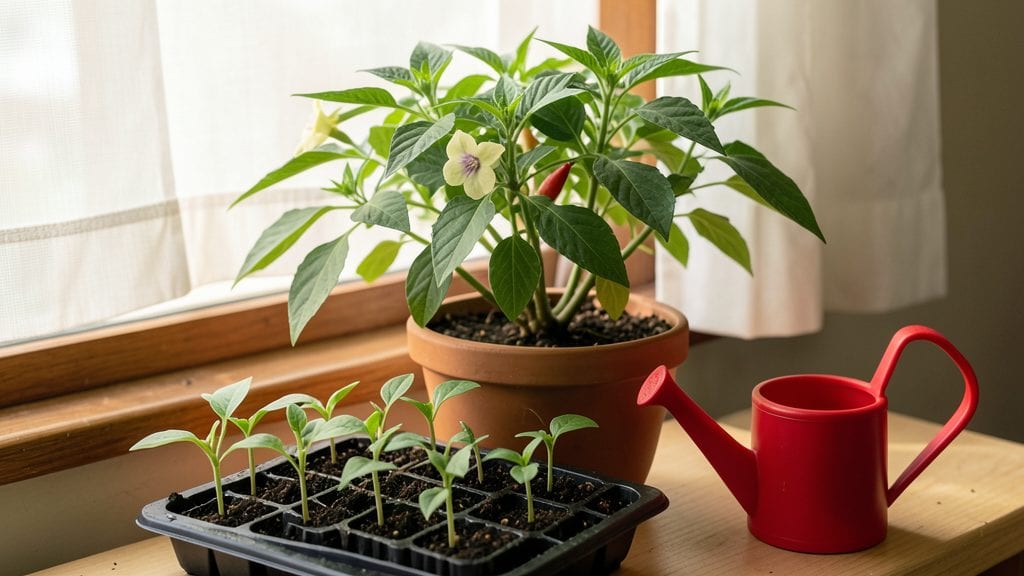
Sprouting habanero seeds is where the real heat begins—literally. 🌱 These fiery little seeds need warmth, patience, and just the right moisture to wake up, and I’ve cracked the code after three failed attempts with soggy, moldy trays.
The key isn’t just waiting; it’s creating the perfect cozy environment where they’ll push through the soil in 10-14 days instead of giving up after a week.
You’ll need a heat mat (or a warm spot like on top of the fridge), a shallow tray with drainage, and a mix of sterile seed-starting soil—no compost yet, that’s a damp-off disaster waiting to happen.
Keep the soil damp like a wrung-out sponge, not soaked, and cover the tray with plastic wrap until you see tiny green sprouts breaking through. Habaneros hate cold drafts, so if your home runs chilly, a seedling heat mat is your best friend.
By day 10, you’ll spot the first signs of life—tiny white roots followed by those first fragile leaves. The real magic happens when they develop their second set of leaves, about 2-3 weeks in, because that’s when they’re ready to stretch toward the light.
Just don’t rush it: too much light too soon scorches those delicate seedlings, and nobody wants crispy habanero starts.
Once they’re a few inches tall with sturdy stems, you’ll transplant them into bigger pots or the garden—just wait until nighttime temps stay above 55°F to avoid shock. The payoff?
A plant that’ll reward you with bright orange peppers so hot they’ll make your mouth tingle for days. Here’s how to get them there without the usual struggles.
📚 In This Guide
- What you need
- Instructions
- Tips and common mistakes
- Wrapping up and next steps
What you need
- ● Habanero seeds – 5–10 seeds (fresh or stored properly) for a small batch.
- ● Seed-starting mix – 2–3 cups of sterile, well-draining potting soil (avoid garden soil—it may harbor pathogens).
- ● Small seed trays or pots – 2–4 biodegradable or 2–3 inch containers (one per seed or a shared tray with dividers).
- ● Spray bottle – For gentle watering (avoid over-saturation!).
- ● Clear plastic dome or plastic wrap – To create a humidity tent (a small Ziploc bag works too!).
- ● Grow lights or sunny windowsill – A southern-facing window (6+ hours of light/day) or a LED grow light (12–16 hours/day).
- ○ Heating mat (optional but helpful) – A seedling heat mat (70–85°F range) speeds up germination.
- ● Seedling labels – To track varieties (especially if testing multiple habanero types!).
- ● Fertilizer – A balanced, water-soluble fertilizer (diluted to half-strength) once sprouts appear.
- ● Humidity monitor – Keeps moisture levels ideal (aim for 70–80% humidity).
- ● Tweezers – For delicate seed placement (if you’re a perfectionist!).
Step-by-Step instructions for sprouting habanero seeds
Here’s how to jumpstart your habanero plants with confidence—no guesswork, just reliable germination.
🌱 Step 1: Soak Seeds for 12 Hours to Softened Coatings
Place the habanero seeds in a small bowl and cover them with lukewarm water. A 12-hour soak softens the tough outer coating, which speeds up germination. I use a shallow dish to avoid losing seeds—just enough water to fully submerge them. After soaking, drain the seeds and let them sit on a paper towel for 30 minutes to dry slightly. This prevents rot while keeping the outer layer pliable.
Here’s the thing—don’t skip this step. Habanero seeds germinate slower than milder peppers, and soaking gives them a head start. You’ll see the seeds swell slightly, signaling they’re ready for planting. If you’re impatient, you might be tempted to plant them dry, but that can delay germination by a week or more.
💧 Step 2: Plant Seeds in Moistened, Sterile Mix
Fill your seed-starting trays with the seed-starting mix (never garden soil—it’s too dense and can harbor fungi). Moisten it until it’s damp like a wrung-out sponge, but not soggy. Press the mix down lightly to remove air pockets, then make small holes about ¼ inch deep—just enough to cradle the seeds without burying them too deeply. I use a toothpick to poke the holes, as it’s precise and won’t compact the soil.
Drop one seed into each hole and cover it lightly with a sprinkle of the same mix. Mist the surface with water until it’s evenly damp, but avoid soaking it. The goal is to keep the environment humid without creating a swamp. Place the tray in a warm spot, like on top of the fridge or near a sunny window. You’ll know it’s right when the soil feels cool to the touch but doesn’t glisten with excess moisture.
☀️ Step 3: Provide Warmth and Humidity for Germination
Habanero seeds thrive in warmth, so aim for a consistent 75-85°F environment. A seedling heat mat set to 70°F works wonders if your home runs cooler. Cover the tray with a clear plastic dome or plastic wrap to trap humidity—this mimics the tropical conditions habaneros love. Check the soil daily, misting lightly if the surface feels dry to the touch. You should see sprouts in 7-14 days, though some stubborn seeds take up to 21 days.
Real talk: Don’t overwater now. Too much moisture can cause damping-off, a fungal disease that turns seedlings into mushy stems overnight. If you notice blackened stems or wilting, remove the dome immediately and let the soil dry slightly between waterings. Patience is key—habaneros aren’t in a hurry, but they’ll reward you with fiery results.
⏰ Step 4: Thin Seedlings and Introduce Gentle Light
Once the seedlings reach 1-2 inches tall, thin them so only the strongest remains in each cell. Use small scissors to snip the weaker ones at the soil line—this avoids disturbing the roots of the survivors. After thinning, move the tray to a bright, indirect light source. A south-facing window or a grow light kept 4 inches above the plants works best. You’ll know they’re getting enough light when the leaves are dark green and compact, not stretched or pale.
Here’s where it gets fun—watch the cotyledons (those first tiny leaves) unfurl within a week. Once the first true leaves (the second set, which look like miniature pepper leaves) appear, you can gradually increase sunlight exposure. Start with 2-3 hours of direct light daily, then slowly extend the time over a week. This hardening process prevents shock when you eventually transplant them outdoors.
Tips & tricks for perfect habanero germination
Mastering habanero seed germination is all about patience and precision—these small tweaks make all the difference between waiting weeks for sprouts or watching them emerge in record time.
The Soak Secret: That 12-hour soak in Step 1 isn't just about softening—it's about waking up dormant enzymes. Use lukewarm water (around 85°F) to avoid shocking the seeds. I like to soak them in a small glass jar so I can easily swirl them occasionally. After draining, the 30-minute drying period on a paper towel is crucial—it prevents rot while keeping the seed coat pliable. Trust me on this: I've seen seeds rot overnight when I skipped this step.
Planting Precision: In Step 2, those ¼-inch deep holes are perfect for habaneros. Use a toothpick to make them—it gives you better control than fingers. Press the seed-starting mix lightly after planting to eliminate air pockets, which can cause uneven moisture. Pro tip: If your mix feels too dry after planting, give it a light mist with a spray bottle rather than pouring water directly. The goal is to keep the environment humid without creating a swamp.
Heat Control: Maintaining that 75-85°F range in Step 3 is easier than it sounds. If your home runs cooler, a seedling heat mat set to 70°F works wonders. Place it under the tray, not on top—this prevents overheating. I've found that placing the tray on top of the fridge (where it's naturally warmer) gives consistent results without needing extra equipment. Watch for condensation on the plastic dome—this is your sign that humidity levels are perfect.
Light Transition: When you're ready for Step 4, those first 2-3 hours of direct light should be gentle. I start with morning sunlight—it's less intense than afternoon rays. If you're using a grow light, position it 4 inches above the seedlings and adjust as they grow. Look for leaves that are dark green and upright—if they're stretching toward the light, they need more intensity. This gradual approach prevents shock that can stunt growth.
Pro Tips for Sprouting Habanero Seeds
- Mastering habanero seed germination is all about patience and precision—these small tweaks make all the difference between waiting weeks for sprouts or watching them emerge in record time.
- The Soak Secret: That 12-hour soak in Step 1 isn't just about softening—it's about waking up dormant enzymes.
- Planting Precision: In Step 2, those ¼-inch deep holes are perfect for habaneros.
Frequently asked questions
Got questions about sprouting habanero seeds?
You’re not alone—this fiery process can be tricky for beginners! Below, we’ve answered the most common questions to help you grow your own heat with confidence.
How long does it take for habanero seeds to sprout?
Habanero seeds typically sprout within 7–14 days under ideal conditions (warmth, moisture, and darkness). Patience is key—some seeds may take longer, especially if stored improperly. Keep the soil consistently moist and maintain a temperature around 80–90°F for best results.
What’s the best way to speed up germination?
To give your seeds a boost, try soaking them in warm water for 24 hours before planting. Use a seedling heat mat or place the tray on top of a refrigerator to maintain warmth. Avoid overwatering—keep the soil damp, not soggy, and cover the tray with plastic wrap to trap humidity.
Can I grow habaneros from store-bought peppers?
Yes! Save seeds from organic, non-hybrid habaneros for the best success. Rinse the seeds thoroughly to remove pulp, then dry them before storing in a cool, dark place. Avoid seeds from hybrid peppers (like many grocery-store varieties), as they may not produce true-to-type plants.
What if my seeds aren’t sprouting after 2 weeks?
Don’t panic—seeds can take up to 3 weeks to germinate. If nothing emerges, check for rot (moldy soil) or dryness. Try replanting fresh seeds or test a few in a paper towel (moistened and sealed in a bag) to see if they’re viable. Poor storage (old seeds) is often the culprit!
Do habanero seedlings need light immediately after sprouting?
Once sprouts appear, remove any covering and place them under bright, indirect light (like a south-facing window or grow lights). Direct sunlight can scorch delicate seedlings, so start with 12–14 hours of light daily and gradually increase exposure. Avoid cold drafts!
Wrapping up and next steps
Growing habanero seeds into fiery plants is a rewarding journey—one that blends patience with passion! With the right soil, warmth, and consistency, you’ll see those first green sprouts in just two weeks, setting the stage for a harvest of bold, aromatic peppers.
Don’t let the heat scare you; every seed holds the potential for your next culinary masterpiece.
Ready to take the next step? Once your seedlings are thriving, transplant them into larger pots or your garden bed (after the last frost!). Keep nurturing them, and soon, you’ll be harvesting homegrown habaneros to spice up your favorite dishes. Happy growing! 🌱