
Propagation
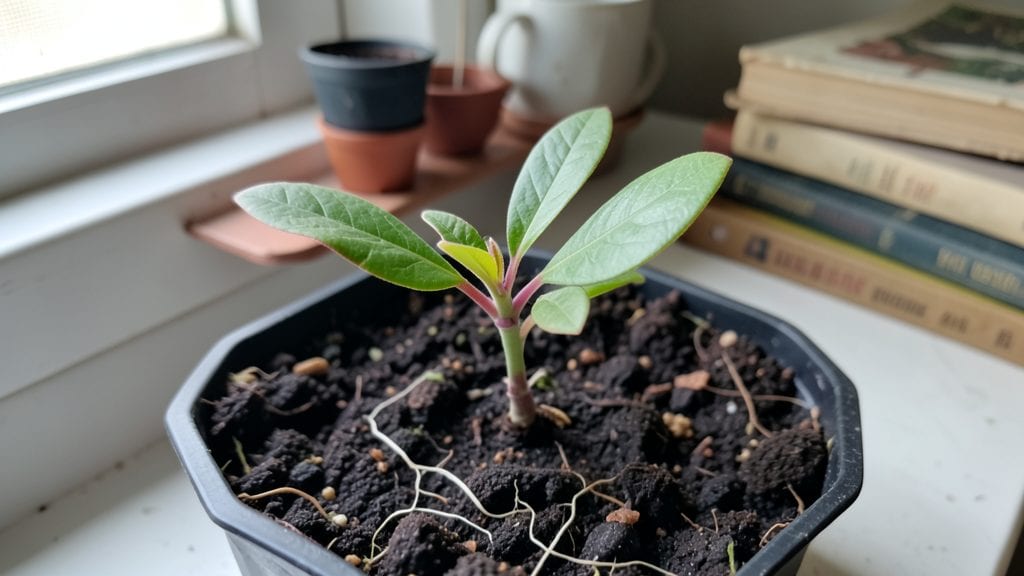
Turn that pomegranate rind into a year-round blooming bush—yes, really. 🌱 I’ve sprouted pomegranate seeds from grocery store scraps into lush, flowering plants that thrive indoors or out, and the process is simpler than you’d think.
The key lies in mimicking their Mediterranean roots while working with your kitchen’s leftover seeds.
You’ll need just three things: a jar with a mesh lid, a sunny windowsill, and patience. Soak the seeds overnight, rinse them daily, and within 10-14 days, you’ll see tiny green sprouts reaching for light.
The real magic happens when they mature—those same seeds can grow into 10-foot-tall trees with stunning red blooms and edible fruit, all from scraps you’d otherwise toss.
By summer, your sprouts will be sturdy enough to transplant, and by next year, you could have a fragrant, shade-providing plant that also feeds birds and butterflies.
Even if you live in a small space, this method works—just keep them in containers and prune regularly. The best part? Every seed holds potential.
Fair warning: Mold is the biggest nemesis, but a quick rinse and fresh air fix it fast. Slow germination? Just stay consistent with moisture. Once you’ve mastered this, you’ll see pomegranate seeds everywhere—turning waste into living art that keeps giving back.
📚 In This Guide
- What you need
- Instructions
- Tips and common mistakes
- Wrapping up and next steps
What you need
- ● Pomegranate seeds: 1–2 fresh pomegranates (or ½ cup dried seeds if you’re starting from there). Choose organic if possible to avoid pesticides.
- ● Sprouting jar or container: A clean, wide-mouth mason jar (16–32 oz) with a mesh lid, or a sprouting pod with a drain spout.
- ● Organic sprouting seeds: 1–2 tablespoons of alfalfa, radish, or broccoli seeds (your choice—each has unique flavors!). Opt for raw, non-GMO seeds.
- ● Water: Room-temperature, filtered water (chlorine-free for sprouts).
- ● Paper towels or sprouting mesh: 2–3 sheets of unbleached paper towels or a fine mesh screen for draining.
- ● Colander or fine-mesh strainer: For rinsing sprouts (if using a jar without a lid).
- ● Small bowl or plate: For soaking pomegranate seeds (if you’re planting them for regrowth).
- ● Spray bottle: For gentle misting of pomegranate seeds to encourage germination.
- ● Grow light or sunny windowsill: Pomegranate seeds need bright, indirect light (4–6 hours/day).
- ● Potting soil or hydroponic medium: If you’re transplanting pomegranate seedlings (cactus/succulent mix works well!).
- ○ Small pots (2–4 inches): For pomegranate seedlings (optional, if you’re not using a tray).
- ● Food processor or mortar & pestle: To crush pomegranate seeds for compost or fertilizer (if desired).
- ● Notebook & pen: To track sprouting progress and germination dates!
Step-by-step instructions for growing pomegranate sprouts from seeds
Turn those leftover pomegranate seeds into lush, year-round blooms with this foolproof method.
🌱 Step 1: Extract and Prepare the Seeds
Start by scooping out the seeds from your pomegranate—save only the plump, firm ones. Rinse them thoroughly under cool water to remove any residual fruit pulp, which can rot during germination. Spread them on a paper towel to dry completely; this prevents mold from forming in your growing medium.
Here's the thing—pomegranate seeds have a hard outer shell that slows germination. To speed things up, I like to gently rub them between two sheets of sandpaper for about 30 seconds per seed. This scratches the shell just enough to encourage faster sprouting. Place them in a bowl of lukewarm water for 12-24 hours before planting. You'll see the seeds plump up and soften, signaling they're ready for soil.
🪴 Step 2: Plant in Moist, Well-Draining Soil Mix
Fill small pots—3-4 inches deep—with a lightweight potting mix (avoid garden soil; it’s too dense). I blend mine with 20% perlite to ensure excellent drainage, which pomegranate sprouts crave. Moisten the mix until it’s damp but not soggy—think of a wrung-out sponge. Press it down lightly to remove air pockets, then make a shallow ¼-inch-deep hole for each seed.
Place 1-2 seeds per pot (they germinate quickly, and you’ll likely get multiple sprouts). Cover them with a thin layer of soil, then mist the surface gently with water. Don’t bury them too deep—pomegranate seeds need light to trigger germination. Place the pots in a warm spot (70-75°F) like on top of the fridge or near a sunny window.
💧 Step 3: Maintain Consistent Moisture and Warmth
Keep the soil evenly moist but never waterlogged. I check daily by sticking my finger ½ inch deep—if it feels dry, it’s time to water. Overwatering is the fastest way to kill these delicate sprouts, so use a spray bottle for precision. Within 7-14 days, you’ll see tiny green shoots emerge—this is your cue that germination has succeeded.
Once sprouts reach 1-2 inches tall, thin them to the strongest seedling per pot. Use small scissors to snip the weaker stems at the base, leaving the healthiest one to grow. Move the pots to a bright, indirect light spot (like an east-facing window) to prevent leggy growth. Avoid direct sun at this stage—it can scorch tender new leaves.
☀️ Step 4: Transition to Sunlight and Fertilize Lightly
After 4-6 weeks, when sprouts have 3-4 sets of true leaves, it’s time to introduce them to morning sun (2-3 hours daily). Gradually increase exposure over 10-14 days to avoid shock. You’ll notice the leaves darken and thicken as they acclimate—this is a sign they’re strengthening.
Start fertilizing with a balanced, water-soluble fertilizer (10-10-10) diluted to half-strength every 4 weeks. Pomegranate sprouts are sensitive to salt buildup, so always water thoroughly after feeding. Keep the soil slightly dry between waterings—pomegranates hate soggy roots but appreciate consistent moisture.
✂️ Step 5: Prune and Encourage Bushy Growth
When your sprouts reach 6-8 inches tall, pinch back the top set of leaves to encourage branching. This simple step transforms a single stem into a fuller, bushier plant. Use clean, sharp scissors to make the cut just above a leaf node—this is where new growth will sprout.
Continue pruning throughout the year to shape the plant and remove any leggy or crowded stems. Deadhead spent flowers (if any appear) to redirect energy into foliage growth. With patience, your pomegranate sprouts will reward you with year-round blooms—though fruit production may take 3-5 years in container culture.
Tips & tricks for perfect pomegranate sprouts
Transforming kitchen scraps into thriving plants takes patience—but these game-changing strategies will help you skip the common pitfalls and nurture your pomegranate sprouts to their full potential.
Seed Preparation Secret: The 30-second sandpaper rub on your pomegranate seeds might seem excessive, but trust me—it's the difference between waiting weeks for germination and seeing those first green shoots in just 7-10 days. If you're short on time, you can soak seeds in warm water for up to 48 hours instead of the 12-24 hour minimum, but don't exceed this—over-soaking can cause the seeds to split before sprouting.
Soil Mix Strategy: That 20% perlite addition isn't just about drainage—it creates tiny air pockets that prevent the dreaded "soggy bottom" syndrome. I've learned the hard way that garden soil compacts too much, suffocating those delicate roots. For a budget-friendly alternative, blend your potting mix with coarse sand instead of perlite, but sift it thoroughly to remove any fine particles that can clog drainage.
Germination Timing: The 7-14 day germination window can feel like an eternity, but here's what nobody tells you: seeds planted in the evening often sprout faster because the cooler night temperatures help prevent premature drying. Keep your pots in a sealed plastic bag during germination to maintain humidity—just remember to remove the bag once you see those first sprouts to prevent fungal growth.
Light Transition Hack: When you're ready to move your 4-6 week old sprouts to morning sun, start with just 30 minutes of exposure on the first day. Gradually increase by 30 minutes each subsequent day until you reach the full 2-3 hours. This slow acclimation prevents the "sunburn shock" that turns leaves yellow and crispy—something that's happened to me more times than I'd like to admit.
Pro Tips for Sprouts Pomegranate Seeds
- Transforming kitchen scraps into thriving plants takes patience—but these game-changing strategies will help you skip the common pitfalls and nurture your pomegranate sprouts to their full potential.
- If you're short on time, you can soak seeds in warm water for up to 48 hours instead of the 12-24 hour minimum, but don't exceed this—over-soaking can cause the seeds to split before sprouting.
- Soil Mix Strategy: That 20% perlite addition isn't just about drainage—it creates tiny air pockets that prevent the dreaded "soggy bottom" syndrome.
Frequently asked questions
Got questions about sprouting pomegranate seeds or keeping your kitchen blooms thriving? Here are some of the most common queries—and their answers!
How long does it take for pomegranate seeds to sprout?
Patience is key! Pomegranate seeds typically sprout within 10–20 days, though some may take up to a month. Keep them in a warm, humid environment (like a seedling tray) and mist them daily. If you don’t see sprouts after 30 days, they may not be viable—try fresh seeds!
Can I use store-bought pomegranate seeds for sprouting?
Yes, but with a caveat: organic, untreated seeds work best. Store-bought seeds are often treated with preservatives or wax to extend shelf life, which can inhibit sprouting. Rinse them thoroughly and soak overnight in warm water to remove any coatings before planting.
How often should I water pomegranate seed sprouts?
Keep the soil consistently moist but not soggy. Mist the seeds lightly 2–3 times daily or use a spray bottle to maintain humidity. Once sprouts emerge, reduce to 1–2 waterings per day and ensure good drainage to prevent rot.
What if my pomegranate seeds mold or rot?
Mold or rot usually means too much moisture or poor airflow. If you spot fuzzy mold, discard the seeds immediately and sterilize your container with a 10% bleach solution. For future sprouts, use a well-ventilated tray and avoid overcrowding seeds.
Can I grow pomegranate seeds indoors year-round?
Pomegranate sprouts thrive indoors with bright, indirect light (a south-facing window or grow light works best). Keep temperatures between 65–75°F (18–24°C) and rotate the pot weekly for even growth. Just be patient—they’ll reward you with vibrant blooms!
Pro Tip:
If your sprouts stretch tall and leggy, they’re reaching for light. Move them closer to a window or supplement with a LED grow light 12 inches above for 12–14 hours daily. Happy sprouting!
Wrapping up and next steps
Transforming kitchen scraps into vibrant sprouts and pomegranate seeds is a rewarding way to grow fresh, nutrient-packed greens year-round—no green thumb required! 🌱 With just a few simple steps, you can enjoy crunchy, flavorful sprouts and lush pomegranate seedlings while reducing waste.
Start small, experiment with flavors, and watch your kitchen become a mini greenhouse!
Ready to dive in? Grab your scraps, follow the guide, and let your culinary adventures bloom! 🌟