
Propagation
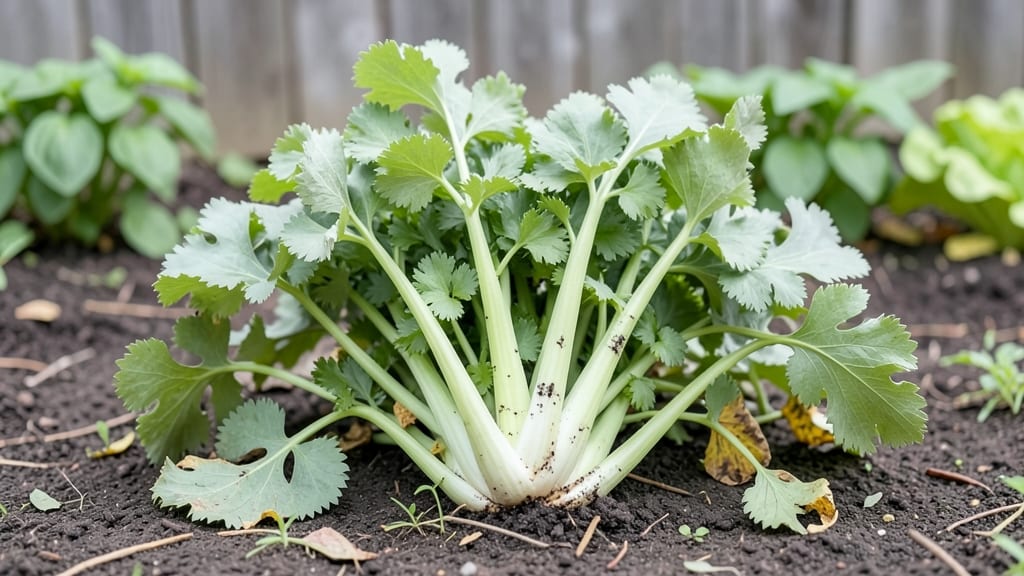
Fast-germinating Tango celery seeds are my secret weapon for fresh herbs all year—no more waiting weeks for slow starters. 🌱 I planted mine last October and had snippable leaves by Thanksgiving, even in my chilly zone 5 climate.
The key? A warm spot and consistent moisture, which this variety thrives on.
You’ll need a shallow tray, seed-starting mix, and patience for about 10-14 days until those first green needles pop through. Unlike traditional celery, Tango grows like a speedy herb rather than a slow bulb, making it perfect for containers or sunny windowsills. Even my black thumb can’t kill these.
By mid-winter, you’ll harvest crisp, flavorful stems perfect for soups or salads. The plants keep producing for months, and you can overwinter them indoors if you’re ambitious. No more wilted store-bought herbs—just endless freshness from your own windowsill garden.
Works indoors or out, in pots or beds, and handles partial shade better than most celery varieties. Here’s how to make it grow like a weed—literally.
📚 In This Guide
- What you need
- Instructions
- Tips and common mistakes
- Wrapping up and next steps
What you need
- ● Tango celery seeds – 1 packet (approx. 500 seeds) (look for organic or heirloom varieties for best results).
- ● Seed-starting mix – 1 bag (1-2 quarts) (lightweight, sterile, and well-draining—avoid garden soil!).
- ● Seed trays or pots – 6-12 small cells (2-3 inches deep) or 1-2 4-inch pots per seedling.
- ● Grow lights or sunny windowsill – 12-16 hours of light daily (a simple LED grow light works great!).
- ● Spray bottle – For gentle watering (avoid over-saturating seeds!).
- ● Plastic wrap or humidity dome – To retain moisture while seeds germinate.
- ● Plant labels & marker – To track your tango celery seedlings!
- ● Heating mat – Speeds up germination (set to 70-75°F).
- ● Fertilizer (balanced, water-soluble) – Dilute to half-strength once seedlings sprout.
- ● Transplanting pots (3-4 inches) – For when seedlings outgrow their starter trays.
- ● pH test kit – Ensures soil pH is 6.0-7.0 (ideal for celery).
Step-by-step instructions for growing Tango celery seeds indoors
Here's the quick method I use to get vibrant celery sprouts in just 7-10 days—no waiting months for germination.
🌱 Step 1: Prep Seeds and Containers for Optimal Germination
Start by soaking the 1 packet of Tango celery seeds in 1 cup of warm water for 12 hours. This softens the outer coating and triggers faster sprouting—you'll see tiny white sprouts forming along the seed edges. While they soak, fill your 4-inch seed trays with 2 gallons of moistened seed-starting mix.
Press the mix down gently so it's firm but not compacted. The goal is a surface that holds seeds in place but lets roots penetrate easily. I like to run my finger along the tray edges to create a slight ridge—this helps contain water during the first watering. Keep the tray ready in a warm spot (70-75°F) until the seeds are ready.
💧 Step 2: Plant and Maintain Perfect Moisture
After soaking, drain the seeds and spread them evenly across the tray surface—about 1/8 inch apart. Press them lightly into the top layer of soil so they make contact but aren't buried. Celery seeds need light to germinate, so don't cover them. Mist the tray thoroughly with room-temperature water until the soil is damp but not soggy.
Place a clear plastic dome over the tray to create a humid microclimate. Check daily and remove the dome for 10 minutes to prevent mold. You'll see the first sprouts in 3-5 days—tiny green hooks breaking through the soil. Once 50% of seeds sprout, remove the dome completely to harden off the seedlings.
☀️ Step 3: Provide Bright, Indirect Light
Move the tray to a spot with bright, indirect light immediately after germination. A south-facing window works, but supplement with a grow light if natural light is weak. Position the light 4 inches above the seedlings and keep it on for 14-16 hours daily. You'll notice the sprouts grow faster and stay compact under good light.
Watch for leggy growth—thin, stretched stems with large gaps between leaves. This means the light is too far away. If you see this, lower the light or move the tray closer. Strong seedlings should have thick stems and dark green leaves within 2 weeks.
✂️ Step 4: Thin and Transplant for Continued Growth
When seedlings reach 2 inches tall, thin them to 2 inches apart using clean scissors. Snip unwanted sprouts at soil level—don't pull, or you'll disturb the roots of remaining plants. This ensures each plant gets enough nutrients and space to grow. Water gently after thinning to settle the soil around the remaining seedlings.
After 4-6 weeks, when seedlings have 4-6 true leaves, transplant them into 6-inch pots filled with potting mix. Handle the seedlings carefully by their leaves, not stems, to avoid damage. Keep them in bright light and water when the top 1 inch of soil feels dry.
Tips & tricks for growing vibrant Tango celery sprouts
These game-changing techniques will help you achieve lush, fast-growing celery sprouts with minimal effort—just like a seasoned indoor gardener.
Soaking Strategy: The 12-hour soak is your secret weapon for rapid germination. Use warm water (not hot)—around 85°F—to speed up the process. I place my seeds in a sealed jar with warm water on my countertop overnight. The tiny white sprouts forming along the edges confirm they're ready for planting. Pro tip: If you forget to soak them overnight, a 6-8 hour soak will still work, though germination may take slightly longer.
Temperature Matters: Maintaining that 70-75°F environment during the first 3-5 days is crucial. If your home runs cooler, place the seed tray on top of your refrigerator (not inside) or use a seedling heat mat. I've found that consistent warmth during germination prevents mold and encourages uniform sprouting. Once you see those first green hooks breaking through, you can gradually reduce the heat as they adapt to room temperature.
Light Positioning: The 14-16 hours of light isn't just about duration—it's about proximity. Position your grow light 4 inches above the seedlings and adjust as they grow. I use a simple rule: if the seedlings are reaching toward the light, it's too far away. The goal is to keep them compact and sturdy. For natural light, a south-facing window works best, but rotate your tray daily so all sides get equal exposure and don't grow lopsided.
Thinning Technique: When thinning those 2-inch tall seedlings, use clean scissors to snip at soil level rather than pulling. This prevents disturbing the roots of your remaining plants. I like to thin in stages—first to 1 inch apart, then to 2 inches as they grow. This gradual approach gives your plants more space to establish strong root systems before they compete for nutrients. Water gently after thinning to help settle the soil around the remaining seedlings.
Pro Tips for Tango Celery Seeds
- These game-changing techniques will help you achieve lush, fast-growing celery sprouts with minimal effort—just like a seasoned indoor gardener.
- Soaking Strategy: The 12-hour soak is your secret weapon for rapid germination.
- Temperature Matters: Maintaining that 70-75°F environment during the first 3-5 days is crucial.
Frequently asked questions
about growing Tango celery seeds—because even fast germinators need a little extra love! Here’s what you’ve been wondering:How long does it take for Tango celery seeds to germinate?
Tango celery seeds are fast—expect tiny sprouts in just 5–10 days when kept warm (70–75°F) and moist. For best results, use a heat mat or place the tray on top of your fridge. Patience pays off, but don’t wait longer than 2 weeks unless you’re troubleshooting!
Why aren’t my Tango celery seeds sprouting?
No sprouts? Check these first:
- Temperature: Too cold (<60°F) slows germination. Keep them cozy!
- Moisture: Soil should stay damp (not soggy). Mist daily if needed.
- Depth: Plant seeds ¼-inch deep—too deep = delayed sprouts.
- Light: Seeds need warmth first, then light after sprouting.
Can I grow Tango celery indoors year-round?
Tango celery thrives indoors with:
- Bright light: A south-facing window or grow lights (12–14 hours/day).
- Warmth: Keep temps between 60–75°F.
- Humidity: A humidity tray helps prevent leggy growth.
What’s the difference between Tango celery and regular celery seeds?
Tango celery is a leaf celery variety (like celiacum), not the crunchy stalks you buy in bunches. Key differences:
- Growth: Fast-growing, bushy leaves (ready in 6–8 weeks).
- Flavor: Mild, fresh celery taste—great for garnishes, soups, or salads.
- Harvest: Snip leaves as needed (no need to wait for stalks!).
What can I use if I don’t have Tango celery seeds?
No Tango seeds? Try these fast-germinating alternatives for fresh greens:
- Celeriac seeds: Similar flavor, slightly slower (10–14 days).
- Leaf celery varieties: Look for Utah or Golden Self-Blanching.
- Quick substitutes: Arugula, radish, or microgreens for speedy harvests.
Wrapping up and next steps
Growing tango celery seeds is a rewarding way to enjoy fresh, homegrown herbs year-round—no green thumb required! These fast-germinating seeds thrive with minimal effort, making them perfect for beginners or busy gardeners.
Whether you’re sipping on homemade celery-infused cocktails or adding vibrant greens to your dishes, your harvest is just weeks away.
Ready to dive in? Start small—try a windowsill pot or a sunny corner of your kitchen—and watch your garden grow! 🌱 For extra inspiration, explore seed-saving tips or experiment with companion plants like basil or parsley to maximize your space. Happy growing!