
Propagation
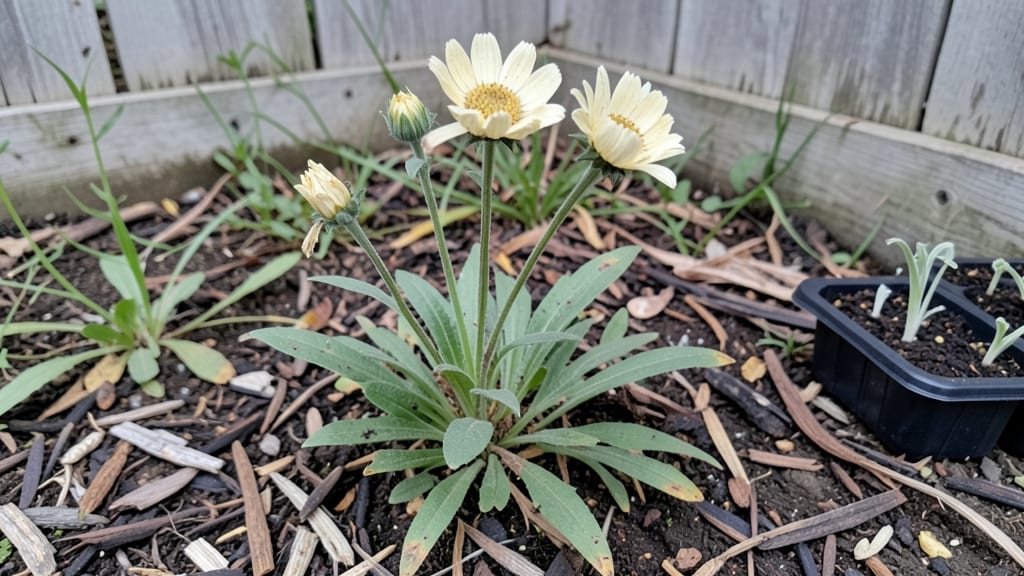
Growing strawflowers from seed delivers those shockingly lush papery blooms in just 90 days—no cold stratification needed. ✨ I’ve grown them from seed three times now, and each batch outdoes the last, with flowers that last for weeks in vases.
The secret isn’t complicated: it’s all about timing, light, and a little patience with those slow-to-start seeds.
You’ll need three simple supplies: a shallow tray or flat, well-draining potting mix, and a sunny windowsill or grow light. Plant seeds just ¼ inch deep, keep them moist but not soggy, and expect germination in 10–21 days—sometimes longer.
The key is consistency: strawflower seeds love warmth (around 70°F) and bright light from day one.
Once sprouted, those seedlings grow fast—leggy if they stretch for light. Pinch them back to encourage bushiness, and transplant when they’re 2–3 inches tall. By midsummer, you’ll have bold, sun-catching blooms that dry beautifully too.
The best part? These flowers thrive in poor soil and need almost no maintenance once established.
Perfect for cut flower gardens, beginner growers, or anyone who loves long-lasting blooms with zero fuss. Here’s the exact method that’s worked for me—no cold treatment, no guesswork, just reliable results.
📚 In This Guide
- What you need
- Instructions
- Tips and common mistakes
- Wrapping up and next steps
What you need
- ● Strawflower seeds: High-quality, fresh seeds (aim for 100+ seeds if you want a full display). Look for varieties like ‘Dwarf’ or ‘Mojave’ for compact growth.
- ● Seed trays or pots: Small, shallow containers (4–6" deep) with drainage holes. 6–12 trays will give you plenty of space for germination.
- ● Seed-starting mix: Lightweight, well-draining potting soil (avoid garden soil—it’s too dense!). A sterile, peat-free blend works best.
- ● Grow lights or sunny windowsill: Strawflowers thrive in full sun (6+ hours/day). A LED grow light (12–16 hours/day) is ideal if natural light is limited.
- ● Spray bottle: For gentle watering—avoid over-saturating the soil.
- ○ Plastic wrap or humidity dome: Keeps moisture in during germination (optional but helpful in dry climates).
- ○ Fertilizer (optional but recommended): A balanced liquid fertilizer (5-5-5 or 10-10-10) diluted to half-strength.
- ● Or slow-release granules mixed into the soil at planting.
- ● Trowel or small shovel: For transplanting seedlings.
- ● Pruning shears: To snip leggy seedlings or deadhead spent blooms.
- ● Labels & markers: Track seed varieties and planting dates (trust us, it helps!).
- ○ Heat mat (optional): Speeds up germination in cooler climates (70–75°F is ideal).
- ● Pebbles or perlite: Adds drainage to pots if your mix isn’t already well-aerated.
Step-by-Step instructions for growing strawflowers from seed
Here's how to coax vibrant strawflowers from seed in just 90 days—no cold treatment required.
🌱 Step 1: Prepare Containers and Sow Seeds
Fill 4-inch diameter pots with a lightweight seed-starting mix. Strawflower seeds germinate best in well-draining soil—pack it gently but firmly to eliminate air pockets. I like to press the mix down with my fingers until it feels like a damp sponge, then create small ¼-inch-deep furrows using a pencil or chopstick.
Sow seeds ½ inch apart along each furrow, then cover lightly with additional mix. The key here is patience—don't press the soil over the seeds. Instead, sprinkle a fine layer and pat it down with your fingertip. Place the pots in a warm, sunny windowsill or under a grow light immediately after sowing, as strawflower seeds need consistent warmth to germinate.
💧 Step 2: Maintain Moisture and Warmth for Germination
Keep the soil evenly moist but never soggy—strawflower seeds rot quickly if overwatered. I use a spray bottle to mist the surface daily until germination, which typically occurs in 7-14 days. You'll know it's time when tiny green shoots push through the soil with a slight upward curve.
Once sprouts appear, remove any plastic wrap or humidity dome if you used one. Strawflowers dislike damp conditions after germination. Place a small fan on low setting near the seedlings to encourage strong stems—this mimics natural wind and prevents leggy growth. Maintain soil moisture by watering at the base rather than overhead.
☀️ Step 3: Provide Bright Light and Thin Seedlings
Strawflowers need 6-8 hours of direct sunlight daily to develop vibrant blooms. If growing indoors, position seedlings within 2-3 inches of a south-facing window or under a full-spectrum LED grow light. You'll notice healthy seedlings with deep green leaves and sturdy stems—if they stretch toward the light with pale leaves, they need more intensity.
When seedlings reach 2 inches tall, thin them to the strongest plant per pot. Gently grasp the unwanted seedlings at the base and pull upward—twisting can damage roots. Leave 3 inches between remaining plants. This spacing prevents competition and ensures each plant gets adequate nutrients and light for robust growth.
🪴 Step 4: Transplant and Encourage Bushy Growth
After 4-6 weeks, when seedlings have 4-6 true leaves, transplant them into 6-inch pots filled with a well-draining potting mix. Strawflowers hate soggy roots, so I always add a handful of perlite to the mix for extra aeration. Water thoroughly after transplanting to settle the soil around the roots.
Pinch back the tips of each stem when they reach 6 inches tall to encourage bushier growth. This might seem counterintuitive, but it triggers the plant to produce more side branches where flowers will form. You'll see new growth sprouting from the leaf axils within a week—this is your signal that the plant is responding well.
✂️ Step 5: Harvest and Maintain for Long-Lasting Blooms
Strawflowers bloom in 90 days from seed, producing vibrant flowers that last for weeks when cut. Harvest stems when 2-3 buds have opened along the stem—this extends the vase life significantly. Cut just above a leaf node with clean, sharp scissors to prevent damage to the plant.
To prolong flowering, deadhead spent blooms by snipping them off at the base. This redirects the plant's energy into producing new flowers rather than seeding. With proper care, strawflowers continue blooming for 6-8 weeks, making them one of the most rewarding annuals for seed growers. Enjoy their cheerful, papery blooms that dry beautifully for arrangements!
Tips & tricks for perfect strawflower cultivation
Here's what I've learned after growing strawflowers from seed for years—these small adjustments make all the difference between mediocre sprouts and show-stopping blooms.
Soil Texture Matters: In Step 1, when preparing your 4-inch pots, I can't stress enough how critical the soil texture is for strawflower seeds. They despise compacted soil that holds moisture. After filling the pots, I press the mix down firmly with my fingers until it feels like a damp sponge—this eliminates air pockets that can trap excess moisture. For even better drainage, I like to add a thin layer of perlite to the bottom of each pot before adding the seed-starting mix. This creates tiny air channels that prevent the dreaded seed rot that can occur during the crucial 7-14 day germination period.
Light Positioning Secret: The 6-8 hours of direct sunlight requirement in Step 3 is non-negotiable for vibrant blooms, but here's the pro tip: position your seedlings within 2-3 inches of the light source, but not touching it. I've found that placing them just slightly below the light intensity creates stronger stems. If you notice seedlings stretching toward the light with pale, elongated leaves (a condition called etiolation), it's time to move them closer. For indoor growers, a full-spectrum LED grow light positioned 2-3 inches above the seedlings works wonders—just be prepared to adjust the height as they grow.
Thinning Technique That Works: When thinning seedlings in Step 3 to leave just one strong plant per pot, I've developed a method that prevents root damage. Instead of pulling directly upward, I grasp the unwanted seedlings at the base and gently wiggle them side-to-side while pulling upward at a 45-degree angle. This minimizes root disturbance to the remaining plant. The 3-inch spacing between plants is crucial—it might seem excessive, but this prevents competition for nutrients and light, which directly impacts bloom quality and quantity.
Transplanting Hack: In Step 4, when transplanting to 6-inch pots, I always water the seedlings thoroughly in their original pots first. This helps maintain root integrity during the move. After transplanting, I give them a good drink of water to settle the soil around the roots. The key moment comes when you pinch back the tips at 6 inches tall—this might seem counterintuitive, but it triggers the plant to produce more side branches where flowers will form. I've seen plants that would have grown tall and spindly instead become bushy and prolific after this simple pinch.
Pro Tips for Strawflowers From Seed
- Here's what I've learned after growing strawflowers from seed for years—these small adjustments make all the difference between mediocre sprouts and show-stopping blooms.
- Soil Texture Matters: In Step 1, when preparing your 4-inch pots, I can't stress enough how critical the soil texture is for strawflower seeds.
- I've found that placing them just slightly below the light intensity creates stronger stems.
Frequently asked questions
Got questions about growing strawflowers from seed? You’re not alone! Here are answers to the most common queries to help you cultivate these cheerful blooms with confidence.
How long does it take for strawflower seeds to germinate?
Strawflower seeds typically germinate in 7–14 days when kept in warm, moist conditions (around 70°F). For faster results, soak seeds overnight before planting. Patience is key—some stubborn seeds may take up to 3 weeks!
Do strawflower seeds need cold stratification?
Great news! Unlike many perennials, strawflowers thrive without cold stratification. Their seeds germinate easily in warm soil, making them perfect for quick, hassle-free growing. Just keep the soil consistently moist until sprouts appear.
Can I grow strawflowers indoors?
Yes! Strawflowers adapt well to container gardening or indoors near a sunny window. Use a well-draining potting mix and ensure they get 6+ hours of light daily. A grow light can help if natural light is limited. Just avoid overwatering—these drought-tolerant beauties prefer dry soil.
What if my strawflower seeds don’t sprout?
Try these fixes: Check moisture (soil should stay damp but not soggy), test seed viability by soaking a few in water (they should sink), or replant with fresh seeds. Some seeds may need light to germinate—place the tray near a window or use a clear lid to trap warmth.
Are strawflowers annuals or perennials?
Strawflowers are tender perennials but often grown as annuals in cooler climates. In USDA zones 8–11, they may self-seed and return year after year. In colder areas, treat them as annuals or overwinter indoors for a head start next spring!
Wrapping up and next steps
Growing strawflowers from seed is a rewarding journey that brings vibrant blooms to your garden in just 90 days—without the fuss of cold stratification! 🌸 With the right soil, sunlight, and a little patience, you’ll enjoy cheerful, long-lasting flowers that thrive with minimal effort.
Whether you’re a beginner or a seasoned gardener, these cheerful blooms are the perfect way to add color and joy to your space.
Ready to dive in? Start by gathering your supplies and follow the simple steps to sow those seeds today. Your future garden will thank you! 🌱