
Planting
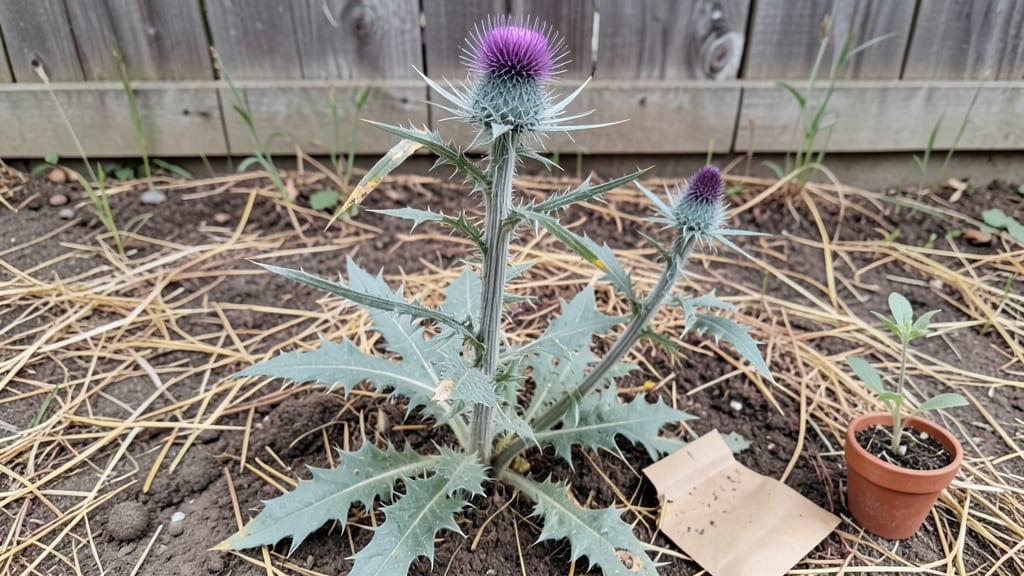
Growing thistle plant seeds isn’t just about hardy blooms—it’s about reclaiming wild beauty in your garden. 🌿 I’ve learned the hard way that these prickly plants reward patience with striking, drought-resistant blooms that hummingbirds adore.
The key starts with knowing exactly how deep to plant those tiny seeds and when to expect the first green push through the soil.
You’ll need well-draining soil (thistles hate soggy roots), a sunny spot with at least 6 hours of direct light, and a little trick to break their stubborn seed coats. Scotch thistles and globe thistles both thrive in poor soil, making them perfect for neglected corners or wildflower meadows.
Just don’t expect instant results—germination can take 2-4 weeks, and seedlings grow slowly at first.
Once established, these plants become nearly indestructible, popping up year after year with minimal care. The deep purple blooms of Scotch thistle or the fuzzy globe shapes of Echinops add bold texture to any landscape, and they’re tough enough to outlast most pests.
The real magic happens when you let them naturalize—imagine a field of thistles swaying in the breeze, all from a handful of seeds.
Fair warning: thistles spread aggressively, so plant them where they can roam. If you’re growing them for cut flowers or pollinators, give them space to multiply. For container gardens, opt for dwarf varieties like Echinops ritro—still striking, but less likely to take over.
Here’s how to get those first sprouts without the frustration.
📚 In This Guide
- What you need
- Instructions
- Tips and common mistakes
- Wrapping up and next steps
What you need
- ● Thistle Seeds: 1 packet (5-10 seeds, depending on desired plant count). Choose Cirsium or Carduus varieties for best results.
- ● Seed Starting Mix: 1 bag (1-2 cubic feet) of high-quality, sterile potting soil (avoid garden soil—it can harbor pests!).
- ● Seed Trays or Pots: 4-6 small pots (3-4 inches deep) or a seed tray with individual cells (for better organization).
- ○ Grow Lights or Sunny Window: A full-spectrum LED grow light (optional but helpful for indoor starts) or a south-facing window with 6+ hours of sunlight daily.
- ● Spray Bottle: 1 (for gentle watering—thistle seeds need moisture without drowning!).
- ● Plastic Wrap or Humidity Dome: 1 sheet (to retain moisture while seeds germinate).
- ● Plant Labels: Small markers or tags to track seed varieties (thistles can look similar!).
- ○ Heat Mat: 1 (optional for faster germination—thistles prefer warmth, ~70-75°F).
- ● Fertilizer: A balanced, water-soluble fertilizer (5-5-5 NPK ratio) for post-germination growth.
- ● Pruners or Scissors: For transplanting seedlings later.
- ● Gloves: 1 pair (thistle plants can be prickly—protect your hands!).
- ● A space with consistent temperature (60-75°F is ideal for germination).
- ● Patience! Thistle seeds can take 2-4 weeks to sprout—don’t rush them! 🐢
- ● Outdoor space (if transplanting later) with full sun exposure (6+ hours daily).
Step-by-step instructions for growing thistle plants from seeds
Thistles thrive when you start them right—here’s my battle-tested method for strong, healthy plants.
🌱 Step 1: Prepare the Soil for Seeds
Thistle seeds need loose, well-draining soil to prevent rot. Mix 1 part sand with 2 parts garden soil to create a gritty texture that mimics their natural rocky habitats. I like to add a handful of perlite to the mix—it keeps the soil airy and prevents compaction, which thistles hate.
Sow seeds directly in the garden after the last frost when soil temperatures reach 60°F or warmer. Scatter seeds lightly on the surface—don’t bury them. Thistle seeds need light to germinate, so pressing them just ¼ inch deep is all you need. Water gently with a fine spray to avoid displacing seeds.
💧 Step 2: Maintain Moisture Without Overwatering
Keep the soil consistently moist but never soggy. Thistles are drought-tolerant once established, but seedlings need steady moisture to root. Water when the top 1 inch of soil feels dry—this usually means watering every 2-3 days in warm weather.
I use a soaker hose to water deeply but slowly, avoiding wetting the leaves. Overhead watering can cause fungal issues, and thistles are prone to mildew if their foliage stays damp. If rain is forecast, skip watering—thistles prefer natural rainfall once they’re a few inches tall.
☀️ Step 3: Provide Full Sun and Space for Growth
Thistles love full sun (6+ hours daily), so choose a spot with no afternoon shade. I’ve found they grow best in open, sunny areas where they won’t compete with aggressive neighbors. Space seedlings 12-18 inches apart—they spread quickly and need room to establish strong roots.
If your seedlings start leaning toward the light, rotate the pots or plants a quarter turn every few days. This ensures even growth and prevents lopsided stems. Thistles are tough, but they’ll grow straighter and bushier with proper light exposure.
✂️ Step 4: Thin and Support as Needed
Once seedlings reach 3-4 inches tall, thin them to the strongest 4 plants per section (as per your servings). Use scissors to snip weak stems at the base—this prevents disturbing the roots of the remaining plants. Thistles have deep taproots, so avoid digging around them.
As plants mature, they may need staking or support, especially in windy areas. I tie tall stems to a bamboo stake with soft twine to prevent snapping. Thistles are sturdy, but their spiky blooms can get heavy—support helps them reach their full height without breaking.
🌿 Step 5: Encourage Blooms with Minimal Care
Thistles are low-maintenance once established. Fertilize lightly in spring with 10-10-10 fertilizer (½ teaspoon per plant), but don’t overdo it—they prefer lean soil. Deadhead spent blooms in late summer to encourage a second flush of flowers, but leave some seed heads for wildlife.
Watch for pests like aphids or slugs, which can damage young plants. A quick spray of neem oil or hand-picking slugs keeps them in check. Thistles are hardy, but early intervention prevents long-term damage. With minimal care, you’ll have striking blooms by next year!
Tips & tricks for perfect thistle plant germination
Here's what nobody tells you about getting thistle seeds to sprout like a pro—these tricks make all the difference between struggling seedlings and thriving plants.
The Soil Secret: Thistles despise soggy soil, so mix that sand and garden soil thoroughly before planting. I like to run my fingers through the mix—it should feel like damp sand at the beach, not mud. If it feels compacted, add another handful of perlite and fluff it up. Proper drainage at the start prevents rot that kills seeds before they even sprout.
Timing is Everything: Wait until soil hits that 60°F minimum—cold soil slows germination dramatically. I check soil temp with a cheap thermometer from the garden center. If it's cooler, hold off until after last frost. Once planted, keep that soil consistently moist but never wet—think of it like a wrung-out sponge. Overwatering is the #1 killer of thistle seedlings.
Light Love: Thistle seeds need light to germinate, so don't bury them! That ¼ inch depth is crucial—any deeper and they won't make it to the surface. I use a fine mist spray bottle to water, keeping the seeds in place while giving them the moisture they need without disturbing their position.
Pest Prevention: Thistles attract wildlife, but you can outsmart pests early. After planting, cover seeds with a lightweight fabric row cover until they sprout—this keeps slugs and birds away without blocking sunlight. Once seedlings appear, remove the cover and watch for aphids. A quick spray of neem oil when you see the first signs keeps them from becoming a problem.
Pro Tips for Thistle Plant Seeds
- Here's what nobody tells you about getting thistle seeds to sprout like a pro—these tricks make all the difference between struggling seedlings and thriving plants.
- The Soil Secret: Thistles despise soggy soil, so mix that sand and garden soil thoroughly before planting.
- Timing is Everything: Wait until soil hits that 60°F minimum—cold soil slows germination dramatically.
Frequently asked questions
Got questions about growing thistle plant seeds? You're not alone!
Here are some of the most common concerns—and their answers—to help you get started with confidence. Whether you're a beginner or a seasoned gardener, these tips will smooth the way to those stunning, hardy blooms.
When is the best time to plant thistle seeds?
Thistle seeds thrive when planted in early spring (after the last frost) or late summer (for fall blooms). They prefer cooler soil temps (50–70°F). If sowing in fall, do it at least 6–8 weeks before your first frost to allow germination before winter. Pro tip: Start indoors 4–6 weeks early if your climate has harsh winters!
How long does it take for thistle seeds to germinate?
Germination usually takes 10–21 days under ideal conditions (moist, well-drained soil and consistent warmth). Keep the soil lightly moist but not soggy—thistles hate waterlogged roots. If seeds don’t sprout in 3 weeks, try pressing them lightly into the soil or soaking them overnight to soften the tough outer shell.
Can I grow thistle seeds indoors before transplanting?
Yes! Start seeds indoors in small pots with seed-starting mix, keeping them in a sunny window or under grow lights. Transplant outdoors once seedlings have 2–3 sets of true leaves and night temps stay above 50°F. Warning: Thistles grow fast—give them space! Thin seedlings to 12–18 inches apart to avoid overcrowding.
Are thistle plants invasive? Should I worry about them spreading?
Some thistle species (like Cirsium vulgare) can be aggressive, but ornamental varieties (e.g., Eryngium or Cynara cardunculus) are non-invasive. To control spread, deadhead spent blooms or plant in containers. Fun fact: Thistles attract pollinators—great for wildlife gardens!
What can I do if my thistle seeds aren’t sprouting?
Try these troubleshooting steps:
- Check moisture: Thistle seeds need consistent dampness but can rot if overwatered.
- Test seed viability: Soak seeds in warm water for 24 hours—if they sink, they’re likely viable.
- Adjust light: Thistles need full sun (6+ hours daily). Move pots or use grow lights if needed.
- Scratch the seed coat: Use sandpaper to lightly roughen the shell for faster germination.
If all else fails, order fresh seeds—some varieties lose viability after 1–2 years.
Wrapping up and next steps
Growing thistle plant seeds is a rewarding journey that yields stunning, hardy blooms—perfect for pollinators and wildlife! 🌱 With the right soil, patience, and care, you’ll soon enjoy their rugged beauty in your garden. Ready to dive in? Start by gathering your supplies, then follow the step-by-step guide to kickstart germination. Next up: pick a sunny spot, prep your soil, and watch those resilient seeds transform into vibrant thistles!