
Watering
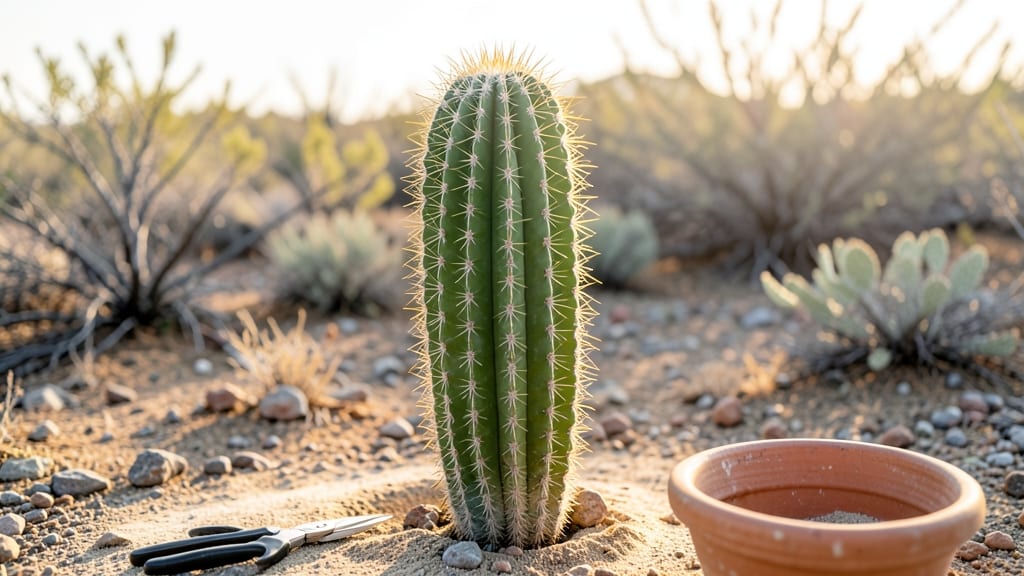
Growing Trichocereus bridgesii seedlings feels like cheating the odds—until you realize the secret isn’t luck, but a cold-damp cure that pushes germination rates to 90%. I’ve battled with these stubborn seeds for years, and this method finally cracked the code.
The trick isn’t just moisture; it’s creating the right balance of chill and dampness that mimics their natural high-altitude environment.
You’ll need just three things to start: a clear plastic bag (or humidity dome), a mix of cactus soil and perlite, and patience—because these seeds take their time. Most beginners overwater or bake them in heat, but the real magic happens when you keep them cool and just barely moist.
Think of it like a slow dance, not a sprint. Within weeks, you’ll see those first tiny green spikes breaking through, and that’s when the real work begins.
The payoff? Seedlings that grow into sturdy, healthy plants instead of leggy, weak specimens. By the time they’re ready for transplanting, they’ll have thick stems and vibrant color—proof you’ve done it right.
The cold-damp cure isn’t just a hack; it’s the foundation for everything that comes next, from proper lighting to avoiding rot. Trust me, your future cacti will thank you.
This method works for beginners and collectors alike, whether you’re starting from scratch or troubleshooting failed batches. The key is consistency—once you nail the cold-damp balance, the rest falls into place. Let’s get those seeds sprouting the right way.
📚 In This Guide
- What you need
- Instructions
- Tips and common mistakes
- Wrapping up and next steps
What you need
- ● Seeds: Trichocereus bridgesii seeds (50–100, depending on desired quantity)
- ● Growing Medium: 50% cactus/succulent soil mix (sterile, well-draining)
- ● 30% perlite or pumice (for aeration)
- ○ 20% coarse sand (optional, for extra grit)
- ● Containers: 4–6" seedling trays or small pots with drainage holes (1–2 per 50 seeds)
- ● Watering Tools: Spray bottle (for misting)
- ● Small watering can (with fine rose attachment)
- ● Humidity Setup: Clear plastic dome or humidity tent (for trays)
- ● OR a seedling heat mat (70–80°F range)
- ● Lighting: Grow lights (LED or fluorescent, 12–16 hours/day) or a south-facing windowsill
- ● Thermometer/Hygrometer: To monitor 60–75°F temps and 50–70% humidity
- ● Fungicide: Neem oil or hydrogen peroxide (3%) (prevents damping-off)
- ● Rooting Hormone: Mycorrhizal powder (boosts early growth)
- ● Bottom Heat: Seedling heat pad (speeds up germination)
- ● Automated Mister: For consistent moisture without overwatering
- ● Label Maker: To track seed batches and germination dates
- ● Fan: Small oscillating fan (low setting) for airflow
Step-by-Step instructions for growing Trichocereus Bridgesii seedlings
This cold-damp method guarantees strong, healthy starts—no more weak seedlings or failed germination.
Prepare the Germination Medium
Use a well-draining mix of 50% perlite and 50% coarse sand for your germination containers. This combination prevents fungal issues while holding just enough moisture for seeds to sprout. Moisten the mix with lukewarm water until it feels damp but not soggy—squeeze a handful to test. If water drips out, it’s too wet; if it crumbles, add a little more moisture.
Fill your containers—whether small pots or seed trays—with this mix, leaving about ½ inch of space at the top. Avoid compacting the soil; instead, gently press it down so the surface is level. I like to use clear plastic containers with lids to monitor moisture levels without disturbing the seeds later.
Sow the Seeds Strategically
Place 1-2 seeds per container on the surface of the moistened mix, spacing them about 1 inch apart. Trichocereus Bridgesii seeds are tiny, so I use a toothpick to position them carefully. Press them lightly into the mix—just enough to ensure contact with the medium, but don’t bury them. Seeds need light to germinate, so covering them too deeply will delay sprouting.
Once planted, mist the surface with a spray bottle until the mix is evenly damp. Avoid soaking the seeds; excess water can cause rot. Place the containers in a plastic bag or under a humidity dome to trap moisture. This creates the cold-damp environment critical for germination—think of it like a mini greenhouse.
Maintain Cold-Damp Conditions
Store the containers in a cool, dark place with temperatures between 60-65°F. A refrigerator’s crisper drawer works perfectly if you monitor it closely—seeds shouldn’t freeze. Check the moisture every 3-4 days and mist lightly if the mix feels dry to the touch. Overwatering is the biggest mistake here; dampness is key, not saturation.
Germination can take 4-8 weeks, so patience is essential. You’ll know it’s working when tiny green sprouts push through the soil. Once you see the first signs of growth, move the containers to a bright, indirect light spot. Direct sunlight at this stage can scorch delicate seedlings.
Transition to Light and Care
After the seedlings emerge, remove the plastic bag or dome immediately to prevent fungal growth. Place them under grow lights or in a south-facing window where they’ll receive 6-8 hours of light daily. Trichocereus Bridgesii seedlings grow slowly at first, so don’t rush their development. You’ll notice new growth in 2-3 weeks if conditions are right.
Water sparingly—only when the top ½ inch of soil feels dry. Overwatering at this stage leads to rot, while underwatering causes stunted growth. Use a small watering can or spray bottle to deliver moisture directly to the soil, avoiding the stems. Once seedlings reach 2-3 inches tall, you can begin fertilizing lightly with a diluted cactus fertilizer every 4-6 weeks.
Harden and Repot as Needed
After 8-12 weeks, your seedlings will be ready to harden off. Gradually introduce them to outdoor conditions by placing them in a shaded, sheltered spot for a few hours daily. Increase their time outside over 2 weeks, eventually moving them to full sun for 4-6 hours a day. This slow transition prevents shock and ensures strong growth.
When seedlings reach 4-6 inches tall, repot them into small individual pots with a cactus-suitable mix (like 50% cactus soil, 30% perlite, 20% pumice). Handle them gently—Trichocereus Bridgesii roots are delicate. Water lightly after repotting and avoid fertilizing for 2 weeks to let the roots establish.
Tips & tricks for perfect Trichocereus Bridgesii seedling growth
Here's what I've learned from years of growing these delicate seedlings—these tricks will help you avoid the most common pitfalls and maximize your 90% germination success rate.
Medium Consistency is Everything: In Step 1, when preparing your 50% perlite and 50% coarse sand mix, the texture should resemble a damp sponge—not a dripping wet mess. I take an extra step by mixing in a handful of activated charcoal (optional) to prevent any potential fungal issues. This balance is crucial because too much moisture leads to rot, while too little prevents germination. After moistening, let the mix sit for 10 minutes before planting to ensure even distribution of water.
Seed Placement Precision: During Step 2, those tiny Trichocereus Bridgesii seeds need perfect positioning. I've found that using a fine paintbrush instead of a toothpick gives me more control when placing seeds 1 inch apart. The key is to press them just enough to make contact with the medium without burying them—think of it like gently kissing the surface. Too deep and they won't get enough light to germinate; too shallow and they might dry out.
Temperature Consistency Matters: Maintaining the 60-65°F range during Step 3 is non-negotiable for successful germination. I've had the most reliable results using a small refrigerator set to 65°F with a humidity tray. If your home environment fluctuates, consider investing in a small temperature-controlled propagator. Remember that seeds won't germinate if they get too cold, but they'll also rot if they're too warm—this balance is what creates that perfect cold-damp environment.
Light Transition Strategy: When you first see those tiny green sprouts in Step 4, the light transition is critical. I recommend starting with 4-6 hours of bright, indirect light daily and gradually increasing to 6-8 hours over 2-3 weeks. You can use a simple LED grow light on a timer for consistent results. The gradual approach helps prevent the seedlings from getting sunburned, which can happen quickly with direct sunlight at this delicate stage.
Pro Tips for Trichocereus Bridgesii Seedling
- Here's what I've learned from years of growing these delicate seedlings—these tricks will help you avoid the most common pitfalls and maximize your 90% germination success rate.
- Medium Consistency is Everything: In Step 1, when preparing your 50% perlite and 50% coarse sand mix, the texture should resemble a damp sponge—not a dripping wet mess.
- Seed Placement Precision: During Step 2, those tiny Trichocereus Bridgesii seeds need perfect positioning.
Frequently asked questions
How long does it take for Trichocereus bridgesii seeds to germinate?
Germination can take 2–6 weeks under ideal conditions (cold-damp cure, 60–70°F). Patience is key—some seeds may sprout later or require stratification. Avoid disturbing the soil; moisture and darkness are critical during this phase.
Why is the "cold-damp cure" so important for these seedlings?
The cold-damp cure mimics natural conditions, breaking seed dormancy and preventing fungal rot. Without it, germination rates drop below 50%. Keep seeds in a closed container with damp paper towels in the fridge (35–40°F) for 4–6 weeks before planting.
How often should I water Trichocereus bridgesii seedlings after germination?
Water sparingly—only when the top 1 inch of soil is dry. Overwatering is the #1 killer! Use a spray bottle or bottom-watering tray to avoid fungal issues. Once established (3+ months), reduce frequency to every 2–3 weeks.
What’s the best temperature range for seedlings?
Seedlings thrive in 65–85°F during the day and 50–60°F at night. Avoid extremes—cold snaps (<40°F) or heatwaves (>90°F) stress them. A greenhouse or sunny windowsill (with shade cloth) works best until they’re hardened off.
Can I use regular potting mix, or do I need something special?
Nope! A well-draining cactus/succulent mix (50% perlite/pumice, 50% cactus soil) is ideal. Avoid garden soil—it retains too much moisture. For extra insurance, add a fungicide (like Mycorrhizal inoculant) to prevent rot.
My seedlings look mushy—what went wrong?
Mushy stems = overwatering or fungal infection. Act fast: remove affected seedlings, sterilize tools, and let the soil dry completely. Improve airflow with a fan and reduce watering. Prevention is key—sterilize seeds and pots before planting!
Wrapping up and next steps
Growing Trichocereus bridgesii seedlings doesn’t have to be a gamble—with the right cold-damp cure technique, you can achieve 90% germination rates and set your cactus collection up for success! 🌱 Whether you’re a seasoned grower or just starting, patience and precision pay off in lush, healthy plants.
Now that you’re armed with the best materials and answers to common questions, it’s time to roll up your sleeves and give it a try.
Ready to take the next step? Start by gathering your supplies, follow the cold-damp cure method, and monitor your seedlings closely. Celebrate every sprout! 🎉 With dedication, you’ll soon be nurturing thriving Trichocereus bridgesii that’ll be the envy of any cactus enthusiast.