
Flowers
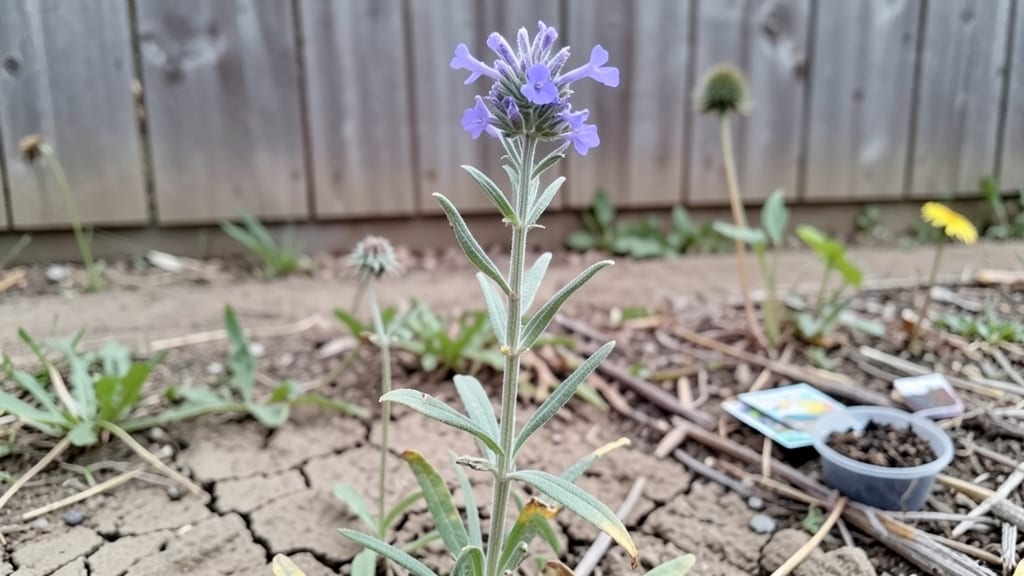
Growing verbena rigida seeds starts with a simple cold-moist trick that cuts germination time in half. I learned this after struggling with slow starts—until I discovered how a damp paper towel and fridge trick jumpstarts these tough little seeds. The secret isn’t complicated: patience and a little moisture work wonders.
These seeds thrive in well-draining soil and full sun, making them perfect for dry climates or low-maintenance gardens. Once sprouted, they develop into hardy plants that bloom from summer through fall, attracting pollinators while needing almost no extra water once established.
The key is spacing them 12–18 inches apart to let them spread naturally.
You’ll see the first green shoots in just 10–14 days with the cold-moist method, and by late summer, you’ll have a bushy plant covered in tiny purple flowers. The trick keeps seedlings strong and ready for transplanting without the usual fuss of weak starts.
Works best in zones 7–11, but even cooler climates can try this with a little extra warmth. Once you’ve got a few plants going, they’ll self-seed happily, giving you free blooms for years. Here’s how to get those first sprouts without the guesswork.
📚 In This Guide
- What you need
- Instructions
- Tips and common mistakes
- Wrapping up and next steps
What you need
- ● Verbena rigida seeds: 1 packet (50–100 seeds, depending on desired coverage). Choose fresh seeds for best germination rates!
- ● Well-draining potting mix: 1–2 gallons (sterilized, seed-starting blend preferred). Avoid heavy garden soil.
- ● Seed trays or small pots: 4–6 inch containers (with drainage holes). Reuse plastic containers or buy seed starter kits.
- ● Spray bottle: For gentle watering (avoid over-saturating the mix).
- ● Plastic wrap or humidity dome: To retain moisture during stratification.
- ● Ziploc bag or airtight container: For cold-moist stratification (quart-sized or larger).
- ● Refrigerator: Must maintain temps between 35–40°F (2–4°C) for 4–6 weeks.
- ● Grow lights or sunny windowsill: After stratification, seeds need 6–8 hours of light daily.
- ● Heating mat: Speeds up germination post-stratification (set to 70–75°F).
- ● Seedling heat mat: For extra warmth if your home runs cool.
- ● Fertilizer (diluted): ½ strength balanced fertilizer (e.g., 5-5-5) after sprouts emerge.
- ● Label markers: To track planting dates and varieties.
- ● Fine-mesh screen: For transplanting delicate seedlings later.
Step-by-step instructions for germinating verbena rigida seeds
This cold-moist trick speeds up germination and ensures strong, vibrant blooms next season.
Prepare the Seeds for Cold Stratification
Place the verbena rigida seeds in a small paper towel or between layers of dampened paper towels. Fold the towels to cover the seeds completely, ensuring they stay evenly moist but not soaked. I like to use a zip-top bag to hold them—this keeps everything contained while allowing airflow. The goal is to simulate the natural winter chilling period these seeds need to break dormancy.
Refrigerate the bagged seeds for 4-6 weeks at a temperature between 35-40°F. Check on them weekly to ensure the towels haven’t dried out. If they feel dry to the touch, mist them lightly with water and reseal. This cold treatment mimics the winter conditions verbena rigida seeds experience in nature, which is critical for faster and more reliable germination.
Plant the Stratified Seeds in Moist Soil
Fill a small seed tray or individual pots with well-draining potting mix—verbena rigida hates soggy roots, so avoid garden soil or anything heavy. Moisten the mix until it feels like a damp sponge, but not dripping. Plant the seeds 1/8 inch deep, just barely covering them. I use a toothpick to create small holes for each seed, which makes placement precise and prevents overcrowding.
Cover the tray or pots with clear plastic wrap or a humidity dome to retain moisture and warmth. Place the setup in a warm, bright spot—70-75°F is ideal. You’ll know the seeds are happy when the soil surface stays consistently moist but not waterlogged. Avoid overwatering now; verbena rigida seeds rot quickly if they sit in wet conditions.
Monitor for Germination and Provide Light
Germination typically takes 2-4 weeks after planting, but some seeds may take longer. Keep the soil surface moist by misting lightly every 2-3 days—you’ll see tiny sprouts emerge first, followed by the first true leaves. Once you spot the first signs of green, remove the plastic wrap immediately. Verbena rigida seedlings are sensitive to excess humidity, which can cause damping-off disease.
Move the seedlings to a south-facing window or under grow lights for 14-16 hours of light daily. If the seedlings stretch toward the light or develop long, weak stems, they’re not getting enough brightness. Adjust the light source to within 4 inches of the plants. Strong, compact growth is your signal that everything is on track.
Thin and Harden Off Seedlings
When seedlings reach 2-3 inches tall and have 2-3 sets of true leaves, thin them to the strongest plant per pot. Use scissors to snip unwanted seedlings at the soil line—this prevents disturbing the roots of the ones you’re keeping. Verbena rigida can be finicky, so handle them gently. After thinning, water deeply to help the remaining plants establish.
Begin hardening off the seedlings 2 weeks before transplanting outdoors. Place them outside in a sheltered spot for 1-2 hours the first day, gradually increasing their time outdoors over 10-14 days. Watch for signs of stress, like wilting or yellowing leaves—these indicate they’re not ready for full sun yet. Once they tolerate full sun and outdoor conditions, they’re ready for the garden.
Tips & tricks for germinating verbena rigida seeds
These simple strategies will help you achieve faster, more reliable germination with your verbena rigida seeds.
The Cold Stratification Secret: The 4-6 week refrigeration period at 35-40°F is non-negotiable for verbena rigida seeds. This mimics their natural winter dormancy period, breaking their dormancy and preparing them for germination. I've found that using a refrigerator's crisper drawer—where temperatures stay consistently around 38°F—works perfectly. If your fridge runs warmer, consider placing the seeds on a shelf near the back where it's coolest.
Moisture Management Matters: During the cold stratification phase, maintaining even moisture is crucial. I recommend checking your seeds weekly and misting them only when the paper towels feel dry to the touch. Overwatering can lead to mold growth, while letting them dry out completely can prevent germination. For extra peace of mind, place a small piece of damp paper towel in the bag with your seeds—this helps maintain consistent humidity levels throughout the process.
Light Requirements After Germination: Once you've planted your stratified seeds, providing the right amount of light becomes critical. The 14-16 hours of daily light is essential for strong, compact seedlings. If you're using grow lights, position them just 4 inches above your seedlings. I've noticed that LED grow lights with a full spectrum (including red and blue wavelengths) work particularly well for verbena rigida. If using natural light, a south-facing window is ideal, but supplement with artificial light if your seedlings start stretching toward the light source.
Transplanting Timing Tip: When it comes time to harden off your seedlings, don't rush the process. The gradual increase from 1-2 hours to full outdoor exposure over 10-14 days is crucial for their survival. I've learned this the hard way—rushing the hardening off process can shock the delicate verbena rigida seedlings, leading to wilting or even death. Watch for signs of stress like yellowing leaves or drooping stems, which indicate they need more time to acclimate.
Pro Tips for Verbena Rigida Seeds
- These simple strategies will help you achieve faster, more reliable germination with your verbena rigida seeds.
- The Cold Stratification Secret: The 4-6 week refrigeration period at 35-40°F is non-negotiable for verbena rigida seeds.
- Moisture Management Matters: During the cold stratification phase, maintaining even moisture is crucial.
Frequently asked questions
about Verbena rigida seeds—because growing these drought-tolerant beauties should be stress-free! Here are answers to the most common queries.How long does it take for Verbena rigida seeds to germinate?
With the cold-moist stratification trick, germination typically takes 2–4 weeks. Keep seeds moist and refrigerated for 4–6 weeks first, then plant in warm soil. Patience pays off—those tiny seeds pack a blooming punch!
Can I skip the cold-moist trick and plant seeds directly?
You can, but germination rates will be much slower (or nonexistent!). The cold-moist trick mimics winter conditions, breaking seed dormancy. For best results, follow the stratification steps—your future blooms will thank you.
What’s the ideal temperature for growing Verbena rigida?
Seeds thrive in 60–75°F (15–24°C) after stratification. Once sprouted, keep soil warm (70–80°F / 21–27°C) for faster growth. In hot climates, provide afternoon shade to prevent stress. Pro tip: Mulch to retain moisture!
Are Verbena rigida seeds prone to pests or diseases?
Generally low-maintenance, but watch for aphids or whiteflies on new growth. Overwatering can invite fungal issues like powdery mildew. Improve airflow, avoid wet foliage, and use neem oil if needed. Prevention: Healthy plants resist pests!
Can I save seeds from my Verbena rigida plants for next year?
Let some flowers fade naturally on the plant—seed pods will form. Harvest when brown and dry, then store in a cool, dry place. Note: Germination may vary slightly from store-bought seeds, but it’s a rewarding experiment!
Wrapping up and next steps
Growing verbena rigida seeds with the cold-moist stratification trick is your secret weapon for vibrant blooms next season! 🌸 By mimicking winter’s natural conditions, you’ll break dormancy faster and set your plants up for a stunning, low-maintenance display.
Whether you’re a seasoned gardener or just starting, this method is simple, cost-effective, and packed with rewards.
Ready to transform your garden? Grab your seeds, follow the steps, and start your cold-moist stratification today! Your future verbena blooms will thank you—happy planting! 🌱