
Propagation
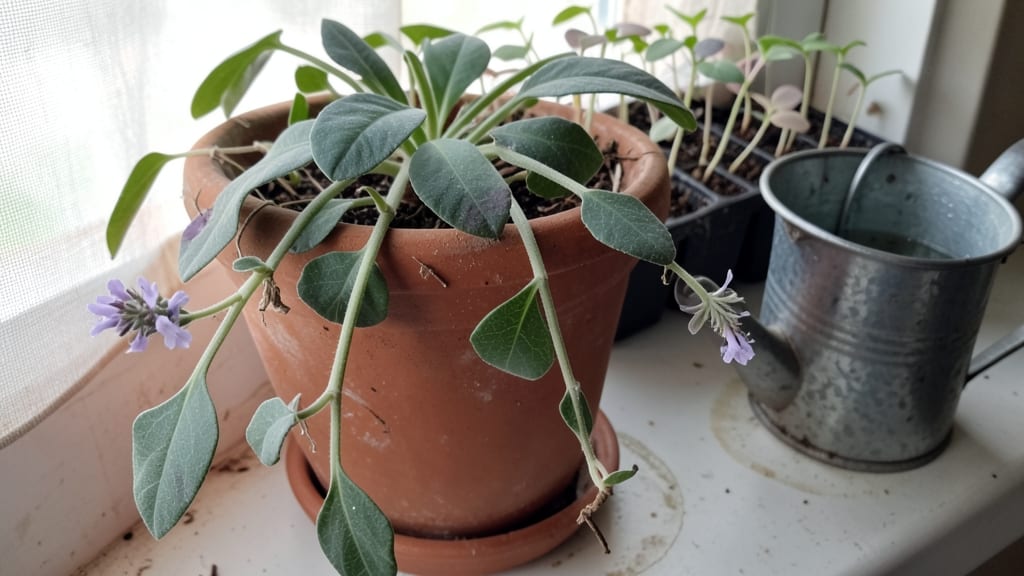
Cold-stratifying Wandering Jew seeds unlocks vibrant blooms in just 90 days—a game-changer for anyone who’s waited months for color. 🌱 I’ve grown this plant from seed three times, and the trick isn’t just patience; it’s mimicking winter’s chill to break dormancy.
Most seeds sit for weeks without sprouting, but with this method, you’ll see tiny green shoots within 2-4 weeks of starting.
The secret lies in the soil mix and timing. You’ll need a 50/50 blend of peat moss and perlite, a zip-top bag, and your fridge’s crisper drawer. No fancy equipment—just a little science.
Wandering Jew thrives in bright, indirect light once sprouted, but those first weeks in the cold are non-negotiable for strong seedlings. Skip it, and you’ll end up with leggy, weak plants that bolt too fast.
By day 90, you’ll be pinching back new growth to encourage bushiness, and those first blooms will appear—usually in soft pink or purple hues, depending on the variety. The plants keep growing year-round indoors, but outdoor gardeners can treat them as annuals in warmer climates.
Confession: my first batch took 120 days to bloom because I rushed the cold stratification. Don’t make that mistake.
This method works for both Tradescantia pallida (the purple-leafed variety) and Tradescantia zebrina (the striped one). Start seeds in early spring for summer blooms, or late summer for winter color indoors. The key is consistency—light, warmth, and patience. Once you’ve mastered it, you’ll never buy Wandering Jew plants again.
📚 In This Guide
- What you need
- Instructions
- Tips and common mistakes
- Wrapping up and next steps
What you need
- ● Wandering Jew seeds: 10–20 seeds (store-bought or harvested from a mature plant). Pro tip: 💡 Use fresh seeds for best germination rates!
- ● Seed-starting mix: 2–3 cups of sterile, well-draining potting soil (look for a blend labeled "seed-starting" or "cactus/succulent mix").
- ○ Small seed trays or pots: 2–4 shallow containers (3–4 inches deep) with drainage holes. Optional: Biodegradable peat pots for easy transplanting.
- ● Plastic wrap or a humidity dome: To retain moisture during germination.
- ● Spray bottle: For gentle watering (avoid soaking the soil!).
- ● Grow lights or sunny windowsill: A south-facing window or LED grow lights (12–16 hours/day) for optimal growth.
- ● Refrigerator (for cold stratification): A paper towel and ziplock bag to pre-treat seeds (if using the 90-day method).
- ○ Fertilizer (optional): A balanced, water-soluble fertilizer (5-5-5 or 10-10-10) for seedlings.
- ● Heating mat (70–75°F) to speed up germination.
- ● Humidity tray (to maintain moisture without overwatering).
- ● Plant labels (to track varieties if testing multiple seeds).
- ● Pruning shears (for future trimming—Wandering Jew grows fast!).
Step-by-Step instructions for growing Wandering Jew from cold-stratified seeds
Here’s how to coax vibrant blooms from finicky Wandering Jew seeds using cold stratification—my foolproof method for breaking dormancy.
🌱 Step 1: Prepare Seeds for Cold Stratification
Wandering Jew seeds need 60-90 days of cold, moist conditions to germinate. Start by placing them in a sealed plastic bag with damp paper towels—just enough moisture to feel damp, not soggy. I like to fold the towels into a square, sprinkle the seeds in the center, then fold again before sealing the bag. This mimics winter’s natural moisture while preventing mold.
Store the bag in your refrigerator’s crisper drawer (around 35-40°F). Check weekly for moisture—if the towels dry out, mist lightly with water. After 60 days, seeds should look slightly swollen. If not, extend stratification another 2-3 weeks. This step is critical—skipping it leaves seeds dormant indefinitely.
💧 Step 2: Sow Stratified Seeds in Light Mix
Fill a 4-inch pot with a well-draining mix of 50% potting soil and 50% perlite. Wandering Jew roots need aeration to prevent rot. Press the mix down gently to remove air pockets, then moisten until evenly damp—like a wrung-out sponge. Scatter seeds ¼ inch deep, spacing them 1 inch apart.
Cover lightly with a thin layer of perlite to deter fungal spores. Place the pot in a humidity dome or cover with plastic wrap to retain warmth. Keep the soil temperature at 65-70°F—a seedling heat mat helps if your home runs cooler. Germination takes 14-28 days, so patience is key. Watch for tiny green shoots breaking through the surface.
☀️ Step 3: Provide Bright, Indirect Light
Once seedlings emerge, remove the humidity dome immediately to prevent damping-off. Move the pot to a bright, east-facing window or under grow lights for 12-14 hours daily. Direct sun scorches delicate seedlings, so avoid south-facing windows until plants are 2 inches tall.
Rotate the pot quarter-turn weekly to encourage even growth. You’ll notice leggy stems if light is insufficient—this is your cue to adjust. Strong seedlings have deep green leaves and compact spacing between nodes. Fertilize lightly with a half-strength balanced fertilizer once true leaves appear (not the initial seed leaves).
🪴 Step 4: Transplant and Encourage Blooms
After 6-8 weeks, when seedlings reach 3-4 inches, transplant them into 6-inch pots with fresh potting mix. Wandering Jew thrives in containers but needs 1 inch of extra depth for root expansion. Pinch back the tips of leggy stems to promote bushier growth—this triggers lateral branches where blooms form.
Once outdoors (after last frost), place in partial shade with morning sun only. Overhead watering wets foliage, inviting powdery mildew. Instead, water at the base until top inch of soil feels dry. Deadhead spent blooms regularly to encourage continuous flowering. With proper care, you’ll see vibrant blooms in 90 days from sowing.
Tips & tricks for perfect Wandering Jew blooms
Cold stratification might sound intimidating, but these key insights will help you coax vibrant blooms from your Wandering Jew seeds without the guesswork.
The Stratification Secret: During the 60-90 day cold period in Step 1, place a small piece of tape on the outside of your plastic bag with the date you started. This prevents "out of sight, out of mind" syndrome—many gardeners forget to check their seeds until it's too late. The 35-40°F temperature in your fridge's crisper drawer mimics winter's natural dormancy period, but consistency is key. If your fridge fluctuates wildly, consider a dedicated seed stratification box for more stable conditions.
Soil Science Matters: In Step 2, don't skimp on the perlite—it's not just filler. The 50/50 mix of potting soil and perlite creates the perfect air-to-moisture ratio for Wandering Jew roots. I've found that adding a handful of orchid bark (optional) to this mix improves drainage even further. When pressing down the mix, imagine you're making a pancake—just firm enough to remove air pockets without compacting. Overly dense soil leads to root rot, while loose soil won't support the delicate seedlings.
Lighting Strategy: The 12-14 hours of daily light in Step 3 is non-negotiable for strong seedlings. If you're using grow lights, position them 6 inches above the seedlings—they'll grow toward the light, becoming leggy if too far away. I've had success with a simple LED grow bulb on a timer, but avoid incandescent bulbs—they generate too much heat. For natural light, east-facing windows provide perfect morning sun without the harsh afternoon rays that can scorch tender leaves.
Transplant Timing: When you're ready to transplant in Step 4, wait until your seedlings have at least 4 true leaves (not counting the initial seed leaves). This indicates they've developed enough root mass to handle the transplant shock. The 6-8 week timeline is a guideline—let the plant's development dictate the pace. Hardening off (gradually acclimating to outdoor conditions) for 5-7 days before final outdoor placement prevents transplant shock from temperature fluctuations.
Pro Tips for Wandering Jew Seeds
- Cold stratification might sound intimidating, but these key insights will help you coax vibrant blooms from your Wandering Jew seeds without the guesswork.
- The Stratification Secret: During the 60-90 day cold period in Step 1, place a small piece of tape on the outside of your plastic bag with the date you started.
- Soil Science Matters: In Step 2, don't skimp on the perlite—it's not just filler.
Frequently asked questions
Got questions about growing Wandering Jew seeds? You’re not alone! Here are answers to the most common queries—from timing to troubleshooting—so you can confidently cultivate these vibrant plants.
How long does it take for Wandering Jew seeds to germinate?
Patience is key! Wandering Jew seeds (Tradescantia) typically germinate in 14–30 days when kept in warm, moist conditions (70–75°F). Cold stratification (chilling seeds for 4–6 weeks) can speed this up, but some may take longer. Keep soil consistently damp and avoid overwatering to prevent mold.
Why is cold stratification necessary for these seeds?
Cold stratification mimics winter’s natural dormancy, breaking seed dormancy and boosting germination rates. For Wandering Jew, 4–6 weeks in the fridge (not freezer!) in a damp paper towel tricks seeds into thinking it’s time to sprout. Skip this step, and you might wait months—or never see sprouts!
Can I grow Wandering Jew from cuttings instead of seeds?
Cuttings are easier and faster. Snip a 3–4 inch stem, remove lower leaves, and root it in water or moist soil. Roots form in 2–3 weeks. Seeds are trickier but rewarding for collectors. Pro tip: Use a rooting hormone to speed up propagation!
My seeds sprouted, but the seedlings look weak or leggy. What’s wrong?
Leggy seedlings usually mean too little light or overcrowding. Move them to a bright spot (but avoid direct sun) and thin seedlings to 2–3 inches apart. If soil stays soggy, reduce watering—root rot can kill fragile sprouts. A grow light helps if natural light is dim.
Are Wandering Jew seeds invasive? Should I worry about them spreading?
Wandering Jew (Tradescantia) is not invasive like its namesake (which refers to a different plant). However, it can spread via runners if grown outdoors in warm climates. Contain it in pots or monitor growth if planting in gardens. Always check local regulations—some areas restrict ornamental plants!
Wrapping up and next steps
Growing Wandering Jew seeds with cold stratification isn’t just rewarding—it’s a game-changer for vibrant, fast blooms in just 90 days! 🌱 Whether you’re a seasoned gardener or a curious beginner, this method unlocks lush foliage and stunning flowers with minimal fuss.
The key? Patience, precision, and a little chill—and you’ve got all the tools to succeed.
Ready to transform your space? Start today—gather your seeds, prep your containers, and dive into the process. Before you know it, your garden will be bursting with life, and you’ll be the proud grower of show-stopping Wandering Jew blooms. Happy gardening! 🌸