
Advice
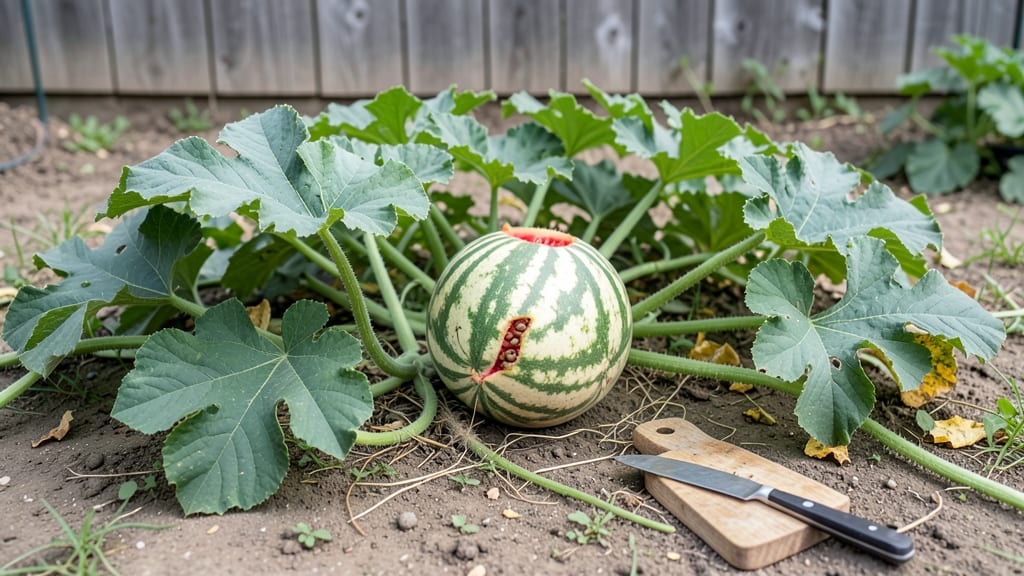
Watermelon seeds turning brown isn't just a cosmetic issue—it’s a sign your seeds might be past their prime or exposed to moisture.
I’ve salvaged plenty of seeds that looked hopeless at first glance, and the difference between a failed sprout and a thriving vine often comes down to a few simple checks.
The first time I saw my carefully saved seeds go brown, I nearly tossed the whole batch—until I learned the truth about storage and viability.
Brown seeds usually mean one of three things: they’ve dried out completely, they’ve absorbed too much moisture and started to spoil, or they’re simply old. Seeds from last year’s watermelon might still work, but if they’ve been sitting in a damp bag or exposed to heat, their chances drop fast.
The good news? You can test them before planting—just float a few in water for 15 minutes. Sunk seeds are still good; floaters are done for.
What you’ll discover is that many brown seeds can still produce plants—especially if they’re only surface-damaged. Store them in a cool, dry place in a sealed container with silica packets, and you’ll extend their life for another season.
Properly saved seeds from this year’s crop could even outperform store-bought ones, giving you vines that produce sweeter, juicier fruit by midsummer.
This works whether you’re growing in backyard plots, raised beds, or even large containers. The key is acting fast—once those seeds turn brown, the clock starts ticking. Let’s get them back in shape before planting season begins.
The Hidden Causes Behind Dark Seeds
If you’ve ever cracked open a watermelon only to find brown or black seeds instead of the usual cream or white ones, you might be wondering what went wrong. 🤔 The truth is, several factors—some preventable, others natural—can turn those seeds into an unexpected (and unappetizing) shade.
Let’s break down the science behind why your watermelon seeds are changing color, so you can take action next time.
Not all watermelons are created equal—and their seeds certainly aren’t either. Some heirloom or hybrid varieties naturally produce darker seeds due to their genetic makeup. For example:
- Seedless watermelons (triploid varieties): These are bred to be sterile, meaning they don’t produce viable seeds—or if they do, they’re often small and discolored. The brownish tint can be a sign of incomplete development.
- Heirloom or wild-type seeds: Older watermelon varieties, like those grown from saved seeds, may have seeds that darken as they mature. This is a natural trait and not necessarily a sign of spoilage.
- Black or striped seeds: Some watermelon types, such as Citrullus lanatus varieties, are bred to have darker seed coats as a visual marker for farmers or seed savers.
Actionable tip: If you’re growing watermelons from seed, check the variety description. If dark seeds are listed as a trait, don’t panic—it’s just part of the plant’s DNA! 🌱
Watermelons are over 90% water, and their seeds are no exception. When the plant doesn’t get consistent moisture, it can trigger stress responses that alter seed development. Here’s how:
- Drought conditions: If the vine experiences water scarcity during flowering or early fruit development, the seeds may absorb pigments or nutrients irregularly, leading to browning.
- Overwatering or poor drainage: While too little water causes stress, too much can also be problematic. Soggy soil leads to oxygen deprivation in the roots, which can cause the seeds to develop abnormally, including darkening.
- Uneven watering: If some parts of the vine receive more water than others, the seeds in those areas may not develop uniformly, resulting in a mix of light and dark seeds.
Pro tip: For gardeners, aim for 1–1.5 inches of water per week, delivered consistently at the base of the plant. Use mulch to retain moisture and prevent extreme fluctuations. 💧
Seeds are like tiny nutrient storage units, and if the soil lacks key elements, they can turn brown as a sign of distress. Here’s what to watch for:
| Nutrient Deficiency | Effect on Seeds | Quick Fix |
|---|---|---|
| Magnesium (Mg) | Seeds may develop brown or black spots due to poor chlorophyll production in surrounding tissues. | Apply Epsom salt (magnesium sulfate) or compost rich in organic matter. |
| Calcium (Ca) | Dark, shriveled seeds can occur if calcium isn’t available during seed formation. | Use crushed eggshells or lime to amend soil. |
| Potassium (K) | Seeds may appear weak and discolored if potassium levels are low, as it’s crucial for enzyme activity. | Add wood ash or a balanced fertilizer (5-10-10). |
| Zinc (Zn) or Boron (B) | Severe deficiencies can cause seeds to darken prematurely or fail to develop properly. | Use a chelated micronutrient spray or soil drenches. |
💡 Soil test first! Before adding amendments, test your soil’s pH and nutrient levels. Most watermelons thrive in pH 6.0–6.8 with balanced NPK (nitrogen, phosphorus, potassium).
Timing is everything when it comes to watermelon seeds. Harvest too early or too late, and you’re asking for discoloration:
- Underripe watermelons: Seeds in unripe fruit are often small, pale, or even brownish because they haven’t fully developed. The surrounding flesh may also be bland or grainy.
- Overripe watermelons: As the fruit ages, enzymes break down seed coatings, causing them to darken or even mold. The seeds may also become soft or mushy.
- Ethylene gas buildup: Overripe fruit releases ethylene, a gas that accelerates aging. This can speed up pigment changes in the seeds, turning them brown or black.
How to check ripeness:
- 🔊 Tap the watermelon—it should sound deep and hollow.
- 🍑 The tendril near the stem should turn brown and dry.
- 🖤 The spot where the watermelon rested on the ground should be creamy yellow.
Harvest at the peak for creamy seeds and sweet flesh! ⏰
Sometimes, the issue isn’t what you’re doing—it’s what’s attacking your watermelon. Pests and diseases can wreak havoc on seed development:
- Seed weevils (e.g., Diaprepes abbreviatus): These beetles lay eggs in watermelon flowers, and their larvae burrow into the fruit, causing seeds to darken or rot.
- Fungal infections (e.g., Fusarium or Alternaria): Fungi can infect the fruit, leading to dark, shriveled seeds or even black mold on the seed coat.
- Bacterial soft rot (Erwinia spp.): This causes seeds to turn brown and mushy as the fruit decomposes.
- Nematodes: Microscopic worms in the soil can stunt seed development, leading to irregular colors and sizes.
Prevention tips:
- 🛡️ Use row covers to block pests during flowering.
- 🌿 Rotate crops and practice crop rotation to reduce soil-borne pathogens.
- 🧴 Apply neem oil or copper fungicide as a preventive spray.
If you suspect pests, inspect the seeds and surrounding tissue for holes, mold, or unusual odors. 🚨
Fixing Brown Watermelon Seeds Fast
If your watermelon seeds have turned brown, don’t toss the fruit just yet! Here’s how to diagnose the issue and restore those seeds to their normal color—plus tips to keep them fresh longer.
Before jumping into fixes, pinpoint why the seeds are brown. The solution depends on the root problem:
- Overripe or Spoiled Fruit – Seeds darken when the watermelon’s flesh breaks down.
- Moisture or Mold – Excess humidity or fungal growth turns seeds brown and slimy.
- Improper Storage – Heat, light, or poor airflow accelerate discoloration.
- Genetic Variety – Some heirloom or older watermelons naturally have darker seeds.
1. If the Watermelon Is Overripe or Spoiled
🍉💀 Fix: Save what you can by acting quickly. - 🔪 Cut Out the Bad Spots – Use a sterile knife to remove only the brown-seeded sections.
Check nearby flesh for mushiness or sour smells. - 🧊 Store Remaining Fruit Properly – Wrap the good portion in plastic wrap and refrigerate for 2–3 days max.
Eat or freeze it soon. - 🍫 Use the Seeds (If Safe) – If the seeds are brown but the flesh is still firm, rinse and dry them. Roast for snacks (see below) or plant them—some varieties sprout just fine!
Prevention:
- 📅 Buy Firm, Heavy Watermelons – Tap it: a deep, hollow sound means ripe. Check the stem end—it should be slightly soft.
- ❄️ Store Correctly – Keep whole watermelons at 50–55°F (unrefrigerated). Cut watermelons last 3–5 days in the fridge.
2.
If Seeds Are Brown from Mold or Moisture 🍄💦 Fix: Sanitize and dry the seeds to prevent spread. - 🧼 Clean the Seeds – Scoop them out, rinse under cool water, and scrub with a soft brush to remove slimy residue. - 🌞 Dry Thoroughly – Spread seeds on a paper towel in a sunny, well-ventilated spot (or use a food dehydrator at 135°F for 2–3 hours). - 🔥 Roast for Snacks (If Safe) – If seeds are only brown (not moldy), toss them in oil, salt, and spices, then bake at 300°F for 15–20 mins until crispy.
Prevention:
- 🌡️ Control Humidity – Store watermelons in a cool, dry place (not the fridge until cut). Use a food-safe silica packet in the container if humidity is high.
- ⏳ Eat or Process Quickly – Once cut, consume within 3–5 days or freeze the flesh in portions.
3.
If Storage Conditions Caused Discoloration 🏠☀️ Fix: Adjust how you store watermelons to keep seeds fresh. - 🗑️ Discard If Soft or Fermenting – If the fruit smells like alcohol or has a sticky texture, compost it. - 🧊 Refrigerate Cut Pieces – Wrap tightly in plastic wrap + aluminum foil to slow oxidation.
Eat within 2 days. - 🥫 Freeze for Later – Scoop out flesh, blend with lemon juice (to prevent browning), and freeze in ice cube trays for smoothies.
Prevention:
- 🌑 Avoid Light Exposure – Store whole watermelons in a dark pantry or cardboard box (light speeds up spoilage).
- 🌬️ Use Airflow – If storing cut watermelon, place it on a wire rack in the fridge to prevent moisture buildup.
Yes! Healthy brown seeds (not moldy or mushy) can sprout. Try this:
- 🧼 Rinse and Soak – Clean seeds in water for 10 mins to remove residue.
- 🌱 Plant in Soil – Bury ½ inch deep in moist potting mix.
Keep soil damp (not soggy). 3. 🌿 Wait 7–14 Days – Seeds may germinate slower than fresh ones but can still grow into watermelon plants!
- 🍋 Add Lemon Juice – Drizzle a little on cut watermelon to slow browning.
- 🥄 Store in Airtight Containers – Use glass or BPA-free plastic to lock in freshness.
- 🍫 Roast Seeds for Long-Term Use – Preserves them for months in the pantry.
- 🌡️ Check Seed Color Before Buying – Some varieties (like ‘Moon and Stars’) have naturally dark seeds—do your research!
Final Note: If the entire watermelon is mushy and smells off, it’s safest to discard it. But for minor browning? You’ve got options—from snacks to regrowth! 🌱🍉
Frequently asked questions
Are brown watermelon seeds safe to eat?
Only if they're dry and firm—not moldy or mushy. Brown seeds from overripe fruit are usually safe to roast for snacks, but discard any with a slimy texture or off smell. Always wash seeds thoroughly before eating or planting.
Can I still grow watermelons from brown seeds?
Yes! Healthy brown seeds (not moldy) can still sprout. Rinse them, soak for 10 minutes, then plant ½-inch deep in moist soil. They may take 7-14 days to germinate, but can grow into normal watermelon vines.
Why do some watermelon varieties have naturally dark seeds?
Heirloom and certain hybrid varieties (like 'Moon and Stars') develop darker seeds as part of their genetic traits. This isn't spoilage—just a natural variation. Always check seed packets for variety-specific characteristics before planting.
How do I prevent watermelon seeds from turning brown?
Store whole watermelons at 50-55°F in a dark, dry place. Once cut, refrigerate in airtight containers for 3-5 days max. Use lemon juice on cut surfaces to slow oxidation. For long-term storage, freeze watermelon flesh in portions.
What's the difference between brown seeds from overripe fruit vs. mold?
Overripe seeds are dry and firm with brown color, while moldy seeds feel slimy and may have black spots. The flesh around moldy seeds often smells sour or fermented. When in doubt, discard the entire section—mold spreads quickly.