Fertilization
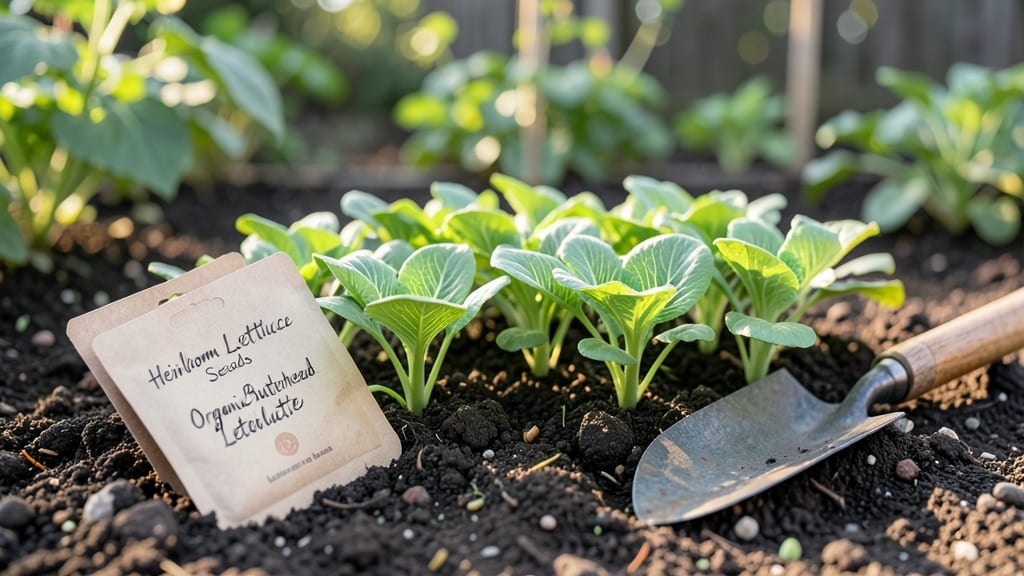
Direct seeding is a gardening method where seeds are planted directly into the soil where they will grow, eliminating the need for transplanting. It saves time, reduces stress on seedlings, and works best for hardy crops like beans, peas, and corn.
Direct seeding means skipping the nursery step and planting seeds right where they'll mature, which is especially useful for plants that thrive in cooler temperatures or don't handle root disturbance well. 🌱 This method cuts down on transplant shock and labor, but it requires precise timing—seeds must go into warm, well-prepared soil to germinate properly.
I've found that crops like carrots and lettuce benefit most from this approach, as they establish strong roots without being moved.
One key advantage is the cost savings—no need to buy young plants, and you can grow more varieties since you're not limited by what's available at nurseries.
However, it does demand careful planning around frost dates and soil conditions. For example, planting too early in cold soil can delay germination for weeks.
💡 In This Article
- Direct Seeding vs Transplanting: Key Differences
- Best Practices for Successful Direct Seeding
Direct seeding vs transplanting: key differences
The core difference between these methods lies in how plants handle disturbance and temperature sensitivity. Direct seeding works best for hardy annuals and perennials that establish deep root systems quickly, like beans (which germinate in 5-10 days at 70-85°F) or corn (which thrives in 60-85°F soil).
These plants don't mind being planted directly because their roots can anchor immediately without transplant shock. In contrast, delicate seedlings like tomatoes or peppers need the controlled environment of transplanting to survive their early growth stages.
Soil temperature is the critical factor determining which method works. For direct seeding, soil must reach at least 60°F for most vegetables—any cooler, and germination slows dramatically. I've seen carrot seeds take 3-4 weeks to sprout in 50°F soil, while they emerge in just 7-10 days at 70°F.
Transplanting gives you flexibility to start seeds indoors when it's still too cold outside, then move them when conditions are ideal. The trade-off? Transplanted plants often suffer from root circling if not handled carefully.
Plant biology plays a huge role too. Direct seeding is ideal for crops with taproots (like radishes or beets) that can't tolerate being disturbed after germination. These roots grow straight down and can't recover if transplanted.
Meanwhile, plants with fibrous root systems (such as lettuce or spinach) handle both methods well. The key is matching the plant's natural growth habit to the method—something I learned the hard way when my transplanted carrots grew forked roots from disturbed taproots.
Another consideration is germination timing. Direct-seeded crops must emerge before weeds take over, which typically means planting within a 2-3 week window after soil warms. Transplanting extends this window since you control the starting point.
For example, you can start basil indoors in February but wouldn't direct-seed it until May—a 3-month difference in potential harvest time. This timing flexibility often makes transplanting the better choice for warm-season crops in cooler climates.
Pest pressure also shifts between methods. Direct-seeded plants often face fewer transplant-related pests (like cutworms that attack young seedlings), but they're more vulnerable to soil-borne diseases if the area wasn't properly rotated.
Transplanted plants might attract more attention from birds or insects during the moving process, but they're less likely to succumb to damping-off diseases that plague crowded seed trays. The method you choose directly impacts your pest management strategy.
Here's what most gardeners don't realize: The choice between methods affects your entire growing season. Direct seeding forces you to work with nature's timeline, while transplanting lets you manipulate it.
For instance, in Zone 5, I direct-seed peas in early spring when soil is 40°F (they tolerate cold), but transplant eggplants in late June after the last frost to give them the long, warm season they need. This strategic pairing maximizes my growing window.