Plants
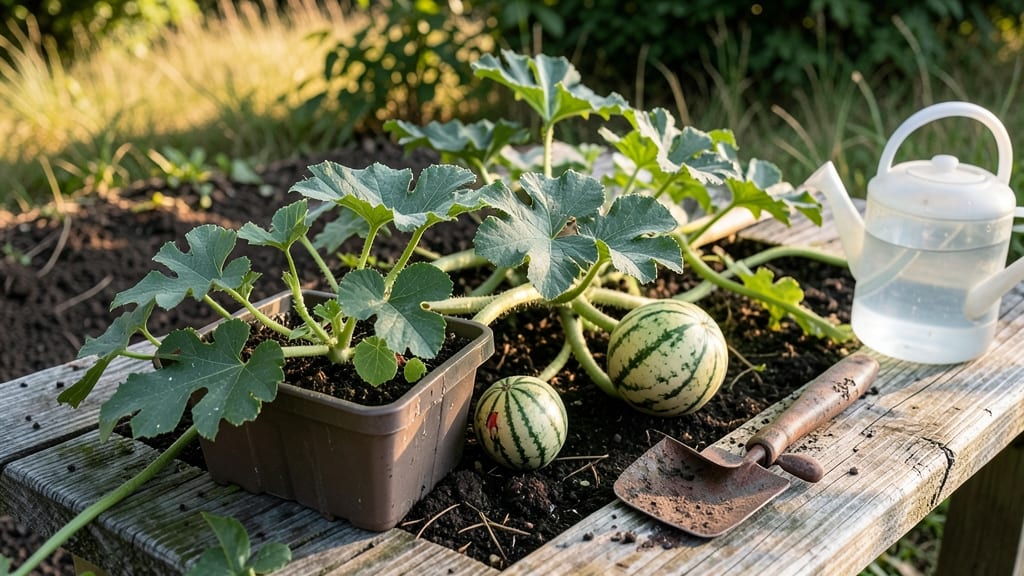
You can plant watermelon seeds straight from the fruit safely, since most store-bought varieties use hybrid seeds designed for reliable germination. Simply rinse the seeds clean, let them dry completely, then sow them directly into warm soil after the last frost date for optimal growth.
This method works because watermelon seeds from commercial fruit are already hybridized for better disease resistance and yield. 🌱 The key is proper preparation—removing excess pulp prevents rot, while drying ensures they won't mold in the soil.
I've found that planting seeds about 1 inch deep in soil warmed to 70-90°F gives them the best chance to sprout within 7-14 days. Just be patient if germination takes longer, as some seeds need extra warmth to break dormancy.
For best results, space your seedlings 2-3 feet apart once they emerge, as watermelons need room to spread. Thin crowded plants early to prevent competition. Mulching around the base helps retain moisture and regulate soil temperature—critical factors for these heat-loving plants.
If you're growing heirloom varieties, expect slightly longer germination times compared to hybrids.
💡 In This Article
- How Watermelon Seed Germination Works
- Best Practices for Direct Watermelon Seed Planting
How watermelon seed germination works
Watermelon seed germination begins when moisture triggers the seed's metabolic processes. The seed coat absorbs water, swelling and breaking down its protective barrier. Inside, enzymes activate to convert stored starches into sugars, fueling the radicle (embryonic root) to emerge first.
This process requires precise conditions—soil temperatures between 70-90°F create optimal enzyme activity, while cooler soils (60°F) slow germination significantly.
Hybrid seeds from store-bought watermelons often have faster germination rates (7-14 days) because breeders select for consistent, vigorous sprouting. Heirloom varieties may take 2-3 weeks due to natural genetic diversity.
The seed's natural coating (if present) acts like a moisture barrier—some commercial seeds have protective films that dissolve when wet, while organic seeds may need slight abrasion to speed up water absorption. 🌱
Moisture is critical but delicate—too much causes rot, while too little prevents enzyme activation. The ideal soil moisture level maintains consistent dampness (like a wrung-out sponge) without pooling water.
Watermelon seeds contain natural growth inhibitors that break down only when exposed to proper warmth and hydration, explaining why cold-start germination often fails.
Light plays an indirect role: seeds planted too shallowly may dry out before sprouting, while deep planting (beyond 1.5 inches) starves the radicle of oxygen. The seed's energy reserve (cotyledons) fuels early growth, but once the seedling emerges, photosynthesis takes over.
This transition explains why seedlings need 6-8 hours of sunlight daily to thrive after germination.
What most gardeners overlook is the seed's natural dormancy period. Some watermelon seeds enter a secondary dormancy if exposed to temperature fluctuations, requiring 2-3 weeks of consistent warmth before sprouting. This explains why late-season plantings often struggle—even with proper moisture, the seeds may not "wake up" until conditions stabilize. 💫
For comparison, cucumber seeds (watermelon's close relative) germinate in 5-10 days under ideal conditions, while pumpkin seeds can take 10-20 days. The difference lies in seed size and energy reserves—watermelon seeds pack more starch, giving them a slight edge in germination speed when conditions are perfect.