
Vegetables
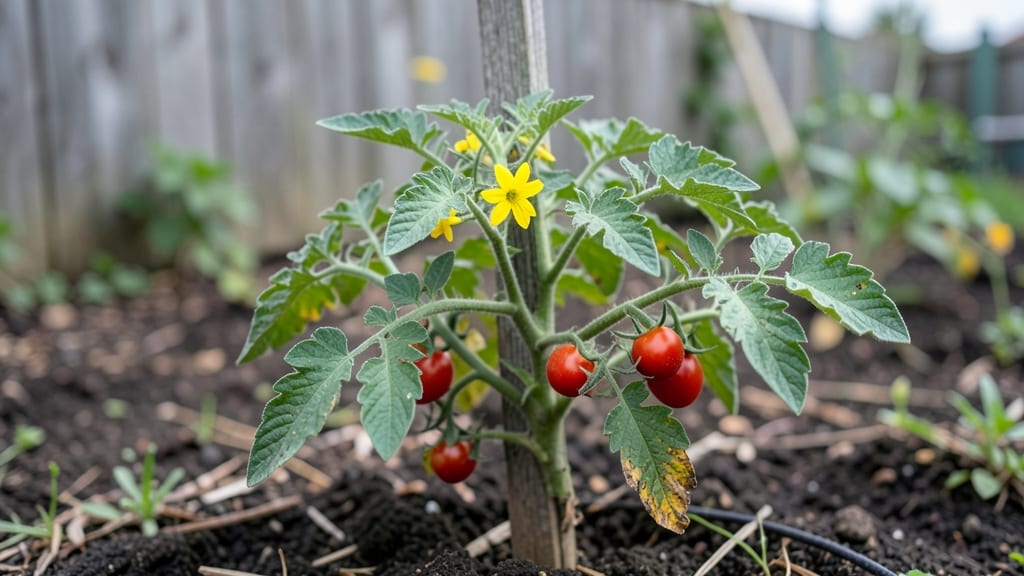
Growing Candyland tomato seeds means tiny, sweet tomatoes that taste like candy—literally. These cherry tomatoes burst with flavor and produce all season, but they need a few special tricks to thrive.
I’ve grown them for years, and the secret to their success starts with cold stratification, which kickstarts germination even in cooler climates.
The Candyland variety is compact, disease-resistant, and perfect for containers or small gardens. You’ll need well-draining soil, full sun (at least 6-8 hours daily), and consistent moisture—but no soggy roots. Plant seeds indoors 8-10 weeks before your last frost, then transplant seedlings after the soil warms to 60°F.
Once established, these plants reward you with hundreds of 1-inch tomatoes that stay sweet even when fully ripe. Prune regularly to encourage airflow, and watch for blossom end rot by keeping soil moisture steady. Harvest every few days to keep production going strong.
Cold stratification isn’t just for winter growers—it also helps break dormancy in early spring or fall plantings. With the right care, you’ll enjoy a year-round harvest of these bite-sized delights, whether in pots or garden beds.
📚 In This Guide
- What you need
- Instructions
- Tips and common mistakes
- Wrapping up and next steps
What you need
- ● Candyland tomato seeds: 5–10 seeds (or more if you’re planting multiple pots). Look for organic, non-GMO seeds for best results!
- ● Seed-starting mix: 1–2 quarts of sterile, lightweight potting soil (avoid garden soil—it’s too dense!).
- ● Small seed trays or pots: 2–4 biodegradable or plastic cell trays (2–3 inches deep) or small pots with drainage holes.
- ○ Grow lights or sunny windowsill: A seedling heat mat (optional but helpful) or a south-facing window (6–8 hours of sunlight daily).
- ● Spray bottle: For gentle watering to keep seeds moist without disturbing them.
- ● Plastic wrap or humidity dome: To create a mini greenhouse effect while seeds germinate.
- ● Refrigerator or cold stratification setup: A sealed plastic bag + damp paper towels (for chilling seeds if starting indoors early).
- ● Labels & markers: To track planting dates (Candyland tomatoes love to be coddled!).
- ● Fertilizer: A balanced, water-soluble fertilizer (5-5-5 or 10-10-10) for seedlings once they sprout.
- ● Transplanting tools: Small trowel or spoon for moving seedlings to larger pots or garden beds.
- ● Garden gloves: To keep hands clean while handling soil and seeds.
- ● Trellis or cages: For supporting vines as plants grow (4–6 feet tall!).
- ● Patience! Candyland tomatoes thrive with 85–90 days to maturity, so plan ahead.
- ● Knowledge of your last frost date (if planting outdoors) to time cold stratification.
- ● Access to a warm, bright space (or grow lights) for seedlings.
Instructions for growing Candyland tomato seeds with cold stratification
This method guarantees vigorous seedlings that thrive year-round, even when starting early.
Prepare Seed Trays and Cold Stratification Mix
Fill four 2-inch-deep seed trays with the sterile seed-starting mix until the surface is level with the tray edges. Press down gently to eliminate air pockets, but avoid compacting the mix—this ensures roots can penetrate easily. Moisten the mix thoroughly with lukewarm water until it feels like a damp sponge, but no water should pool at the bottom. The goal is even moisture without saturation, as excess water can suffocate seeds.
For cold stratification, place the trays in a refrigerator set to 35-40°F for 7-10 days. This mimics the natural winter chill tomatoes experience, breaking dormancy and promoting stronger germination. Check the trays daily to ensure the mix doesn’t dry out—spritz lightly with water if the surface feels dry to the touch. This step is critical: without stratification, Candyland seeds may germinate erratically or produce weak seedlings.
Sow Seeds and Initiate Germination
After cold stratification, remove the trays from the fridge and let them sit at room temperature for 1-2 hours to warm slightly. Using your finger, create small indentations in the soil—about ¼ inch deep—and place 1-2 seeds per hole, spacing them 1 inch apart. Cover the seeds lightly with additional mix, just enough to obscure them without burying them too deeply. Press down gently to ensure good seed-to-soil contact.
Mist the surface with a spray bottle until the soil is evenly moist but not soggy. Place the trays under a grow light or in a south-facing window where temperatures hover around 70-75°F. Germination typically occurs within 7-14 days, but patience is key—some seeds may take longer, especially if your home runs cooler. Once sprouts appear, remove the grow light or adjust it to 2-3 inches above the seedlings to prevent leggy growth.
Transplant Seedlings and Harden Off
When seedlings develop 2-3 sets of true leaves (the second set after the initial cotyledons), they’re ready to transplant. Gently remove each seedling, ensuring you don’t disturb the root ball, and transfer them to 4-inch pots filled with the potting mix. Bury the stems up to the first set of true leaves to encourage stronger root development. Water lightly after transplanting to settle the soil around the roots.
Begin hardening off the seedlings 2 weeks before the last frost date by placing them outside in a sheltered, shaded area for 1-2 hours the first day. Gradually increase their outdoor time by 1 hour daily, exposing them to direct sunlight and wind over 10-14 days. This gradual transition prevents shock and ensures they adapt to outdoor conditions. Watch for wilted or yellowing leaves—this is a sign they’re adjusting, but if it persists, extend the acclimation period.
Plant Outdoors and Maintain for Year-Round Harvest
Transplant the hardened-off seedlings into the garden or larger containers after the last frost date, spacing them 18-24 inches apart to allow for robust growth. Bury the stems deeply, up to the first set of true leaves, to promote additional root development. Water deeply at the base, ensuring the soil is moist 6 inches down—this encourages roots to grow downward rather than staying shallow.
Throughout the growing season, maintain consistent moisture by watering 1-2 inches per week, adjusting for rainfall. Fertilize every 2-3 weeks with a balanced tomato fertilizer to support fruiting. Prune suckers (the small shoots that form in the joint between the stem and a branch) regularly to direct energy toward fruit production. With proper care, Candyland tomatoes will produce sweet, flavorful fruit from early summer through fall, and with proper overwintering techniques, you can extend the harvest into the next season.
Tips & tricks for perfect Candyland tomato seedling growth
Cold stratification transforms Candyland tomato seeds from erratic performers into reliable, vigorous plants. These key strategies ensure your seedlings thrive from the very first step.
Cold Stratification Precision: The 7-10 day refrigeration period at 35-40°F is non-negotiable for Candyland seeds. I've found that using a small refrigerator drawer creates the ideal microclimate—less temperature fluctuation than a full fridge. Place a small dish of water nearby to maintain humidity without over-saturating the mix. This mimics their natural winter dormancy cycle, which is particularly important for heirloom varieties like Candyland that often struggle with inconsistent germination.
Seed Depth and Spacing Strategy: Planting Candyland seeds just ¼ inch deep might seem shallow, but this shallow placement prevents damping-off disease—a common fungal issue with tomato seedlings. I recommend using a toothpick to create planting holes rather than pressing fingers into the soil, as this gives you more precise control. The 1-inch spacing between seeds also allows for better air circulation, which is crucial during the germination phase when seedlings are most vulnerable to mold.
Germination Temperature Management: While the instructions specify 70-75°F for germination, I've noticed that maintaining consistent warmth is more important than hitting that exact range. Place your seed trays on a heating mat set to 72°F if your home tends to run cooler. The key is to avoid temperature swings—even a 5°F drop can delay germination by several days. Use a small thermometer placed directly in the soil to monitor conditions accurately.
Harden Off Gradually: The 2-week hardening-off period is where many gardeners rush and end up with transplant shock. I recommend starting with just 1 hour on the first day, even if your last frost date seems far away. Watch for subtle signs of stress like curled leaves or slightly wilted stems—these indicate the seedlings are adjusting. If you notice these symptoms, extend the acclimation period by another 2-3 days rather than pushing forward.
Pro Tips for Candyland Tomato Seeds
- Cold stratification transforms Candyland tomato seeds from erratic performers into reliable, vigorous plants.
- Cold Stratification Precision: The 7-10 day refrigeration period at 35-40°F is non-negotiable for Candyland seeds.
- Seed Depth and Spacing Strategy: Planting Candyland seeds just ¼ inch deep might seem shallow, but this shallow placement prevents damping-off disease—a common fungal issue with tomato seedlings.
Frequently asked questions
Got questions about growing Candyland tomato seeds? You’re not alone! Here are the answers to the most common queries—from timing to troubleshooting—to help you cultivate a bountiful harvest year-round.
How long does it take for Candyland tomato seeds to germinate?
With cold stratification, germination typically takes 7–14 days at 65–75°F (18–24°C). If your seeds don’t sprout in 2 weeks, gently check moisture levels—keep soil damp but not soggy. Patience is key! Pro tip: Use a heat mat if your home runs cool.
Can I grow Candyland tomatoes indoors without sunlight?
Yes! Use a grow light (LED or fluorescent) for 12–16 hours daily. Place seedlings 6–12 inches below the bulb. Without proper light, plants may grow leggy or weak. Rotate trays weekly for even growth. Bonus: Supplement with a timer for consistency!
Why are my Candyland tomato seedlings wilting after transplanting?
Wilting is often due to transplant shock or overwatering. Harden off seedlings (acclimate to outdoor conditions) for 5–7 days before moving them. Water deeply before transplanting, then let soil dry slightly between waterings. Avoid soggy roots! Fix: Trim wilted leaves to redirect energy.
Are Candyland tomatoes cold-hardy? Can I grow them in winter?
While Candyland tomatoes thrive in warm climates, their seeds benefit from cold stratification for faster germination. Mature plants tolerate light frosts (down to 28°F/-2°C) but need protection (row covers, greenhouses) in harsh winters. Start seeds indoors 8–10 weeks before last frost for best results.
What’s the best alternative if I can’t use cold stratification?
Skip stratification and soak seeds in lukewarm water for 24 hours before planting. Use a seedling heat mat (70–80°F/21–27°C) to speed germination. Alternatively, plant directly in warm soil (70°F+/21°C+) for slower but reliable sprouting. Note: Stratification still boosts vigor!
How do I save Candyland tomato seeds for next year?
Let a few tomatoes fully ripen on the vine, then scoop out seeds and ferment them in water for 3–4 days. Rinse, dry on paper towels, and store in a cool, dark place (like a sealed jar in the fridge) for up to 4 years. Label clearly! Tip: Fermentation removes mold risks.
Wrapping up and next steps
Growing Candyland tomato seeds with cold stratification isn’t just a trick—it’s your ticket to a year-round harvest of sweet, flavorful tomatoes! By mastering this technique, you’re unlocking a secret to extending your growing season and enjoying homegrown produce even in cooler climates. 🌱❄️
Now that you’re armed with the know-how, roll up your sleeves and start sowing! Whether you’re a seasoned gardener or just beginning, every seed planted is a step toward a bountiful, homegrown feast. Happy growing—your taste buds will thank you!