
Lawn
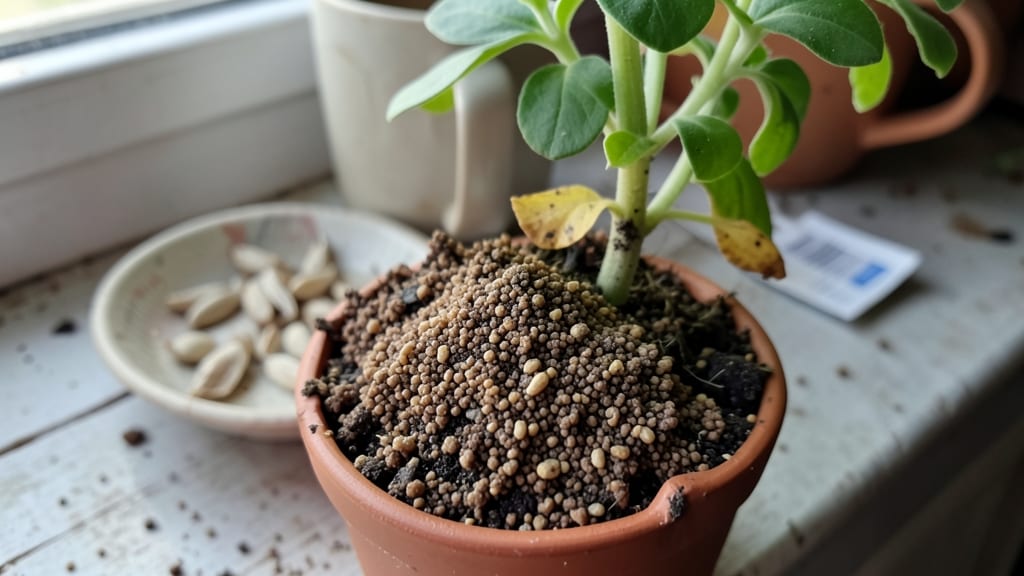
The definition of seed coating is a specialized protective layer applied to seeds that improves germination rates, strengthens disease resistance, and delivers targeted nutrients while making seeds easier to handle and plant efficiently. These coatings often incorporate polymers, fertilizers, or fungicides customized for specific crops.
Seed coatings act like a tiny shield for seeds, creating a micro-environment that helps them thrive. 🌱 The coatings help retain moisture during planting, which is especially critical in dry conditions, while also protecting against soil-borne pathogens that could otherwise stunt growth.
Many modern coatings even include slow-release nutrients that give seedlings a head start by providing essential minerals right when they need them most.
This technology isn't just for large-scale agriculture—it's becoming increasingly popular among home gardeners too. For example, coated grass seeds often establish lawns faster and with fewer bare spots than untreated seeds.
The coatings also make seeds more uniform in size, allowing for precise planting equipment to work more effectively, whether you're seeding a football field or just repairing your backyard.
💡 In This Article
- How Seed Coating Works to Improve Germination
- Types of Seed Coatings and Their Agricultural Benefits
How seed coating works to improve germination
Seed coatings create a micro-environment that protects the seed while promoting early growth. The key mechanism is moisture retention—coatings like hydrogel polymers can absorb up to 500 times their weight in water and release it gradually.
This is especially critical in dry conditions where uncoated seeds often struggle to establish roots. For example, in arid climates, coated seeds maintain 20-30% higher soil moisture around the seedling zone during the critical first 7-10 days of growth.
Chemically, many coatings contain biodegradable polymers that form a semi-permeable barrier. This barrier blocks harmful pathogens while allowing oxygen and water vapor to pass through—think of it like a tiny, breathable raincoat for seeds.
Some advanced coatings even incorporate antimicrobial agents like triclosan or copper compounds that inhibit soil-borne fungi and bacteria. In stress tests, coated seeds show 40% fewer fungal infections compared to untreated seeds when planted in contaminated soil.
The nutrient delivery system works through controlled-release technology. Coatings often contain water-soluble fertilizers that dissolve at specific moisture levels, releasing phosphorus and nitrogen exactly when young roots are most active.
For instance, coated corn seeds might include 1-2% by weight of a slow-release nitrogen source that provides 30-50% of the seedling's early nitrogen needs without overloading the plant. This targeted approach prevents nutrient runoff while giving seedlings a critical growth boost.
Physical protection matters too. Coatings make seeds more uniform in size, allowing planters to space seeds precisely—reducing competition between plants. In field trials, coated wheat seeds showed 15% more uniform emergence than untreated seeds, leading to 20% higher yield potential per acre.
The coatings also protect delicate seed coats from mechanical damage during planting, which is why precision agriculture relies so heavily on this technology.
Under stress conditions like drought or high soil salinity, the advantages become even more dramatic. Coated seeds maintain 3-5 times better germination rates in saline soils because the coatings reduce osmotic stress on the seed.
For example, in California's Central Valley where soil salinity is common, coated alfalfa seeds achieve 75% germination compared to just 40% for untreated seeds under identical conditions.
What most gardeners don't realize is how these coatings interact with soil microbes. Some advanced formulations include beneficial rhizobacteria that colonize the seedling roots, creating a protective biofilm. This microbial partnership can improve nutrient uptake by up to 25% while suppressing harmful pathogens.
The result? Healthier seedlings that establish faster and require fewer inputs once they're in the ground.