How To
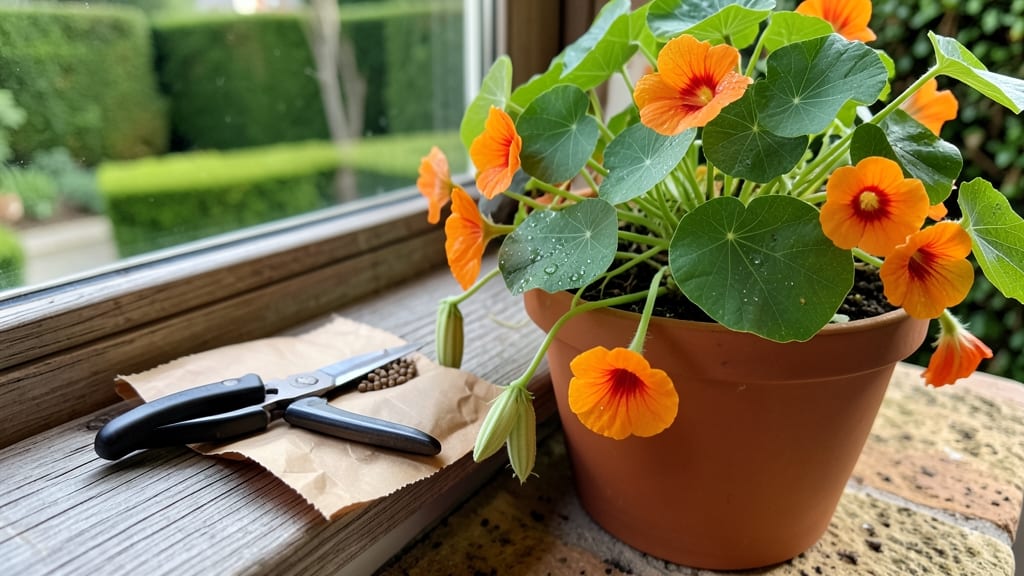
Picking nasturtium seeds at the right time is the secret to strong germination and a bumper crop next year 🌸 — and missing the window means wasted effort.
Nasturtiums aren’t just beautiful edible flowers—they’re powerhouses of flavor and self-seeding potential. But timing your seed harvest wrong means wasted effort. Learn the exact moments to pick nasturtium seeds for maximum germination and yield.
You’ll know it’s time when the seed pods turn from green to brown and feel dry to the touch, usually in late summer or early fall in USDA Zone 6a. A simple shake test reveals if the seeds are ready, but avoid harvesting too early or too late.
Below, I’ll walk you through the three clear signs your nasturtium seeds are ready, plus how to store them for planting next spring.


3 Clear visual signs your nasturtium seeds are ready for harvesting
Harvesting nasturtium seeds at the right time ensures high germination rates for next season's blooms. Miss the window, and you'll either collect underdeveloped seeds or lose them to scattered pods. I've learned the hard way—wait too long, and those dry seed pods will burst open, sending seeds everywhere.
The key lies in three visual cues that transform your nasturtium plants into seed-saving goldmines.
Timing matters most in late summer to early fall, when your plants shift focus from flowers to seed production. This shift is your first clue that harvest season is near.
Pay attention to the pod color, pod texture, and how easily seeds release when you handle the pods. These three signs will tell you exactly when to act—before the seeds scatter on their own.
Here's what to watch for in your garden:
Look for deep brown pods—not just green with brown tips. The entire pod should be uniformly dry and papery.
Gently shake a pod over paper—if you hear a loud rattling, seeds inside are fully mature and ready for collection.
A tiny opening at the pod's tip means seeds are nearly ready—but don't wait until pods fully split open and scatter seeds.
I once waited until pods were fully open, only to find seeds scattered across my entire garden bed. The lesson? Harvest when you see these three signs combined. The brown color, dry texture, and slight cracking together signal peak maturity.
If pods are still green or feel damp, they're not ready—wait a few more days.
Another critical clue is the plant itself. As seeds mature, your nasturtium's leaves will yellow and die back, redirecting energy to seed production. This natural decline is your body's way of telling you it's time to harvest.
I notice this most in late August or September, depending on my local climate. If you're in a warmer zone, harvest might come earlier.
Harvesting too early leads to low germination rates, while waiting too long means lost seeds. I've found that morning harvests work best—pods are dry from overnight air circulation, and seeds are less likely to scatter.
Always use clean scissors or pruners to snip pods cleanly from the stem. Leave a small portion of the stem attached to help with drying.
Once harvested, spread pods on a paper towel-lined tray in a dry, shaded spot for 1-2 weeks. This final drying step ensures seeds are completely dry before storage. I store mine in paper envelopes labeled with the harvest year—this keeps them organized and prevents moisture buildup that could spoil seeds.
Remember, nasturtium seeds stay viable for about 2-3 years when stored properly. But for the best results, use them within a year. Next time you're checking your plants, look for these three signs—they're your ticket to a bountiful harvest of edible flowers and seeds for seasons to come.
How to harvest nasturtium seeds without damaging future blooms
Harvesting nasturtium seeds at the right time ensures high germination rates while keeping your plants healthy for future blooms. The key is patience—waiting too long means seeds scatter, while picking too early results in poor viability.
I’ve learned that late summer to early fall (August-September in most USDA Zone 6a) is ideal, but visual cues matter more than dates.
When harvesting, focus on seed pods that are fully mature but not yet split open. If you remove pods too soon, you’ll miss the chance for full seed development. Conversely, leaving them too long risks self-seeding everywhere, which can become a nuisance.
The goal? Collect seeds when they’re dry and brown but still contained—this preserves both your seeds and your plant’s energy for next year’s growth.
Step-by-Step: When to Pick Nasturtium Seeds
- Step 1: Identify mature pods – Look for dry, brown seed pods (not green). They should feel papery and crisp when touched, not soft or moist.
- Step 2: Check for rattling – Gently shake a pod over a piece of paper. If seeds rattle inside, they’re ready. No rattle? Wait 3-5 more days.
- Step 3: Verify slight opening – The pod’s tip should crack open just a bit, but not fully split. If it’s wide open, seeds have already scattered.
- Step 4: Harvest in dry weather – Pick seeds on a sunny, dry day to prevent mold. Avoid harvesting after rain or in high humidity.
- Step 5: Use clean tools – Snip pods with sterilized scissors or pruners to avoid spreading disease. Leave 1-2 healthy pods per stem to support the plant.
Once you’ve identified the perfect pods, remove them carefully to avoid damaging the plant. I recommend using clean pruning shears or even your fingers for smaller plants.
Leave 1-2 pods per stem behind to ensure the nasturtium can redirect energy into next year’s growth—this keeps your plants vigorous and flowering.
After harvesting, let the pods dry completely in a well-ventilated area for 1-2 weeks. Spread them on a paper towel or mesh screen away from direct sunlight to prevent mold.
Once fully dry, gently crush the pods to release the seeds. Store them in a paper envelope in a cool, dark place for up to 3 years—they’re surprisingly hardy!
Pro tip: Label your seed packets with the harvest date and variety (e.g., ‘Alaska’ or ‘Jewel Mix’). This saves headaches later when you’re ready to replant.
I’ve found that annual nasturtiums like ‘Empress of India’ produce the most seeds, while trailing types (like ‘Black Velvet’) yield fewer but are still worth saving.
Remember, patience pays off—rushing the harvest can mean lower germination rates, while waiting too long means lost seeds. With the right timing and care, you’ll have a bountiful supply of nasturtium seeds ready for next spring’s garden. Happy harvesting! 🌿