Landscaping
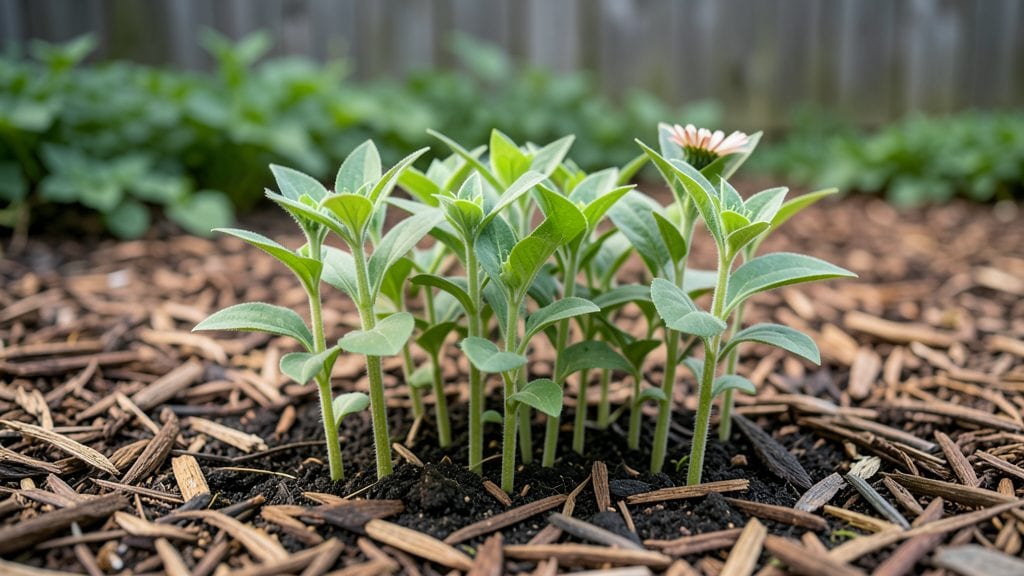
Mulch creates a barrier that prevents seeds from receiving the bright light and oxygen exchange needed for germination. 🌱 The thicker the layer, the harder it is for seedlings to break through—especially for delicate flowers like petunias or snapdragons.
However, certain wildflower seeds or poppies have tougher seed coats that can occasionally force their way through. For best results, consider using lightweight alternatives like straw or coconut coir, or plant seeds in trenches that allow mulch to sit above them without blocking soil contact.
💡 In This Article
- How Mulch Affects Flower Seed Germination Science
- Best Mulch Alternatives for Direct Seed Planting
How mulch affects flower seed germination science
Mulch creates a physical and environmental barrier that disrupts the three critical factors seeds need to germinate: light exposure, oxygen circulation, and consistent moisture levels.
When you cover seeds with mulch thicker than ¼ inch, you essentially smother them by blocking photosynthesis in the seedling stage—most flowers need at least 4-6 hours of direct sunlight daily to develop chlorophyll and establish roots.
Without this light, seedlings either fail to sprout or grow weak and leggy, unable to push through the dense layer above.
The moisture retention effect of mulch works against seeds in two ways.
While mulch keeps soil damp, it can also create an anaerobic environment—meaning oxygen levels drop below the 10-15% range that seeds require for metabolic activation. 🌱 Think of it like suffocating a campfire: too much dampness without airflow prevents the "combustion" of germination.
Even organic mulches like straw or wood chips compact over time, creating a barrier that's 10-20 times denser than loose soil. This physical resistance forces seedlings to expend energy breaking through instead of growing roots.
Temperature regulation is another hidden challenge. Mulch acts as an insulator, which can be beneficial for established plants but problematic for seeds.
Most flower seeds germinate best at 60-75°F, but mulch layers thicker than ½ inch can create microclimates that stay 10-15°F cooler at the soil surface or 5-10°F warmer near the mulch-air interface.
These temperature swings confuse seeds that rely on stable conditions to trigger germination hormones like gibberellins, which signal the seed to break dormancy.
There are exceptions to this rule, particularly with hardy wildflowers like poppies, coreopsis, or certain native prairie species. These plants evolved to thrive in disturbed, compacted soils and have seed coats that can push through up to 1 inch of organic matter. Their secret?
A tougher seed coat combined with rapid initial growth—some poppy seedlings can emerge within 7-10 days and develop enough strength to pierce mulch layers. Even then, their success rate drops dramatically if the mulch is moist and compacted rather than dry and loose.
For comparison, consider how vegetable seeds behave under mulch. Carrot seeds, for instance, have delicate taproots that need direct contact to grow straight downward, while beans—with their sturdier hypocotyls—can sometimes push through ½ inch of straw.
Flower seeds, however, rarely possess this same resilience. 🌸 The key difference lies in their evolutionary adaptation: most ornamental flowers prioritize above-ground growth (leaves, petals) over below-ground resilience, making them more sensitive to physical barriers.
What most gardeners don't realize is that even when seeds do push through mulch, they often emerge weakened and stunted. The energy spent breaking through the barrier diverts from root development, leaving seedlings vulnerable to disease, pests, and drought.
This is why professional landscapers recommend pre-sprouting seeds indoors before transplanting under mulch—a technique that bypasses the germination stage entirely and gives seedlings a fighting chance to establish roots first.