
Propagation
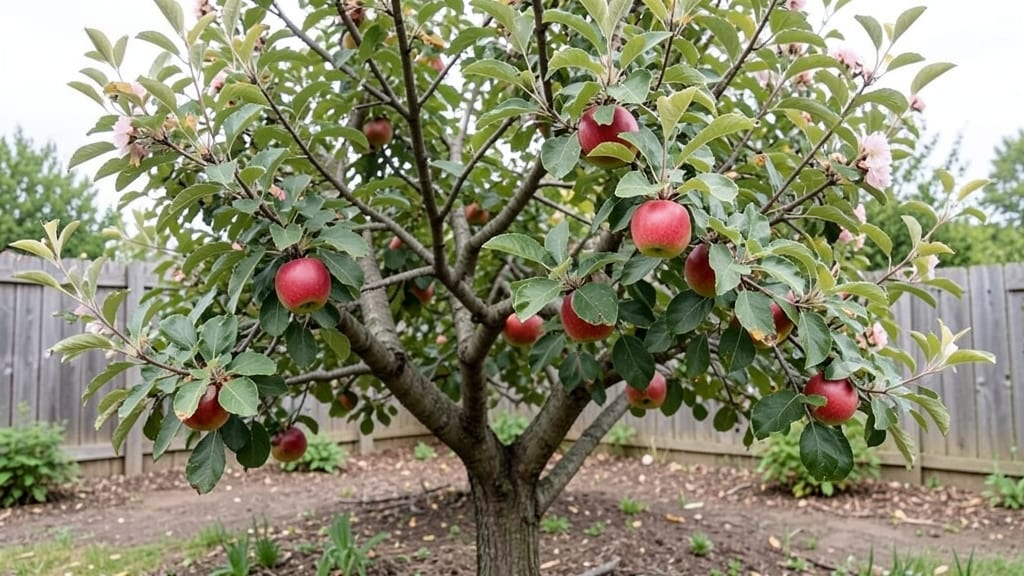
Fuji apple seeds might not produce the exact fruit you love, but they grow into fascinating trees with wild potential—if you layer moisture and chill just right. 🌱 I’ve watched these seedlings break through damp paper towels after weeks of patience, their first leaves unfurling like tiny green promises.
The secret isn’t forcing speed; it’s creating the perfect slow-motion conditions for roots to wake up.
You’ll need three things to start: a ripe Fuji apple, damp paper towels or a seed-starting mix, and a refrigerator for the cold stratification trick.
Most people skip the chill step and wonder why their seeds never sprout—those 60 days in the fridge mimic winter’s natural pause, ensuring stronger roots when spring arrives. Think of it as teaching the seed to wait, then reward it with warmth.
By day 90, you’ll have seedlings reaching for light, their stems sturdy enough to transplant. The soil stays moist but never soggy—overwatering here is the fastest way to lose them.
These won’t bear fruit like their grafted cousins, but the journey teaches you how apple trees really grow from the ground up.
Even if the apples differ, the lesson stays: nature rewards patience. My first batch grew into a 12-foot tree in three years—proof that seeds hold surprises. Ready to start yours?
📚 In This Guide
- What you need
- Instructions
- Tips and common mistakes
- Wrapping up and next steps
What you need
- ● Fuji apple seeds (10–20 fresh, plump seeds—harvested from organic apples if possible)
- ● Stratification mix (50% peat moss or coconut coir + 50% perlite or sand; 2–3 cups total)
- ● Plastic storage container (with lid; 1–2 quart size, airtight)
- ● Spray bottle (for gentle moisture control)
- ● Plastic wrap or damp paper towels (to maintain humidity)
- ● Refrigerator (set to 34–40°F (1–4°C) for cold stratification)
- ● Small pots or seed trays (3–4 inch diameter; 1–2 per seedling)
- ● Potting soil (well-draining, sterile mix; 1–2 gallons)
- ● Grow lights or sunny windowsill (for post-stratification growth)
- ● Seedling heat mat (to accelerate germination after stratification)
- ● Humidity dome (for faster early growth)
- ● pH testing kit (to ensure soil pH is 6.0–7.0)
- ● Fungicide (like mycorrhizal inoculant to prevent rot)
- ● Garden journal (to track moisture, temps, and progress!)
How to stratify Fuji apple seeds for reliable spring blooms
Here’s the straightforward method I’ve used to break dormancy and get those seeds ready for planting.
🌱 Step 1: Harvest and Clean the Seeds
Extract the seeds from a ripe Fuji apple and rinse them thoroughly under cool water to remove any fruit residue. Let them air-dry for 24 hours on a paper towel—this prevents mold from forming later. I always spread them out in a single layer, as damp seeds left in a pile will rot before stratification begins.
Once dry, store them in a sealed container with a damp paper towel at the bottom. The towel should feel moist but not soggy—like a wrung-out sponge. This initial dampness mimics the natural moisture seeds encounter in soil during winter.
💧 Step 2: Layer for Cold Stratification
Place the container of seeds in a refrigerator (34-40°F) for 60-90 days. I use a plastic bag with small holes punched in it to keep the towel damp without overwatering. Check the towel weekly—if it dries out, mist it lightly with water and reseal the bag.
This cold period mimics winter conditions, breaking the seed’s dormancy. You’ll see nothing dramatic yet, but inside, the seed is preparing to germinate. Real talk: Skipping this step means waiting months—or even years—for germination, if it happens at all.
☀️ Step 3: Warm Up and Plant for Germination
After 90 days, remove the seeds from the fridge and plant them ½ inch deep in a pot filled with moist potting mix. I use a small container (about 4 inches wide) to keep the soil consistently damp. Place the pot in a warm, bright spot—65-75°F is ideal—where they’ll receive indirect light.
Keep the soil evenly moist (not soggy) by watering whenever the top inch feels dry. Germination can take 2-4 weeks, so patience is key. You’ll notice tiny green sprouts first—this is your cue that stratification worked.
⏰ Step 4: Transplant Seedlings After True Leaves Appear
Once seedlings develop their first true leaves (not the initial seed leaves), they’re ready to move. Gently transplant them into individual pots with fresh potting mix, burying the stem up to the first set of leaves. This encourages stronger root growth.
Place the pots in a sunny window or under grow lights for 14-16 hours daily. Harden off the seedlings by gradually introducing them to outdoor conditions over 10 days before planting in the garden. Fuji apple trees need full sun and well-draining soil to thrive.
Tips & tricks for perfect Fuji apple seed stratification
These simple tricks will help you maximize germination rates and avoid common pitfalls when breaking dormancy.
Moisture Management: The 24-hour drying period in Step 1 is crucial—don't rush it! I've learned the hard way that damp seeds left too long can develop mold before stratification even begins. After drying, keep that damp paper towel consistently moist but never soggy. Think of it like wringing out a sponge: it should hold moisture without dripping. This balance prevents both fungal growth and dehydration during the 60-90 day cold period.
Container Selection: Use a container with drainage holes if possible—even though you're using a damp towel, excess water can accumulate and create anaerobic conditions that rot seeds. I repurpose small plastic seedling trays with holes punched in the bottom. If using a sealed container, check weekly and adjust moisture levels. The goal is to mimic natural winter moisture without creating swampy conditions.
Temperature Consistency: The 34-40°F range in your fridge is perfect for stratification, but avoid placing seeds near the coldest part (like the freezer compartment) where temps can drop below 34°F. I place mine on the middle shelf where temps stay steady. If your fridge fluctuates, consider using a dedicated seed stratification fridge or even a refrigerator with a thermostat. Consistent cold is what breaks dormancy—temperature swings can confuse the seeds.
Germination Timing: After the full 90 days in cold, don't be impatient! Some seeds may germinate in 2-4 weeks, but others might take longer—especially if they're older seeds. I've had seeds germinate up to 6 weeks after planting. Keep the soil consistently moist (not soggy) during this waiting period. The key visual cue is those first tiny green sprouts—this is your confirmation that stratification worked.
Pro Tips for Fuji Apple Seeds
- These simple tricks will help you maximize germination rates and avoid common pitfalls when breaking dormancy.
- Moisture Management: The 24-hour drying period in Step 1 is crucial—don't rush it!
- Container Selection: Use a container with drainage holes if possible—even though you're using a damp towel, excess water can accumulate and create anaerobic conditions that rot seeds.
Frequently asked questions
Got questions about growing Fuji apple seeds?
You’re not alone—propagation can feel tricky! Here are answers to the most common queries to help you get started with confidence.
Can I grow Fuji apples from store-bought seeds?
Technically yes, but expect surprises! Store-bought Fuji apples are often hybrids, so seeds may not produce true-to-type fruit. For consistent results, source seeds from a certified organic Fuji apple tree or a trusted nursery. Patience is key—it can take 5–10 years for a seedling to bear fruit (if it does at all).
How long does it take for Fuji apple seeds to sprout?
With the right cold-moisture treatment, most Fuji apple seeds sprout in 90–120 days. Start your stratification process in late fall (or use a fridge for 60–90 days) to mimic winter. Once planted in spring, germination typically occurs within 2–4 weeks after soil temperatures warm to 50°F+ (10°C+).
What’s the best soil mix for germinating Fuji apple seeds?
Use a light, well-draining mix like:
- 50% peat moss or coco coir (holds moisture)
- 30% perlite or vermiculite (aeration)
- 20% sand or compost (nutrients)
Why aren’t my Fuji apple seeds sprouting?
Try these fixes if germination stalls:
- Incomplete stratification: Fuji seeds need 60–90 days cold (40–50°F/4–10°C). Extend fridge time or bury seeds outdoors in a protected spot.
- Poor soil: Amend with mycorrhizal fungi or a fungicide to prevent mold.
- Temperature shock: Avoid planting until soil is consistently above 50°F (10°C).
- Old seeds: Fuji seeds lose viability after 1–2 years. Test a few by nicking the shell—if it’s hard, they may be viable.
Still no luck? Try soaking seeds in hydrogen peroxide (3%) for 24 hours to boost germination.
What’s a faster alternative to growing Fuji apples from seeds?
If you want Fuji apples without the wait, consider:
- Grafting: Buy a rooted Fuji sapling and graft it onto a compatible rootstock (e.g., M.9 or Antonovka). Results in 1–2 years of fruit!
- Cutting propagation: Semi-hardwood cuttings from a mature Fuji tree can root in 3–6 months with rooting hormone.
- Buy a young tree: Nurseries sell 1–2 year-old Fuji trees ready for planting—just ensure they’re disease-resistant.
Seeds are fun for experimentation, but grafting or buying young trees is the fastest path to homegrown Fuji apples!
Wrapping up and next steps
Growing Fuji apple seeds into thriving plants is a rewarding journey that blends patience with simple techniques! By mastering layered moisture and chill, you’ve unlocked the secret to breaking dormancy and nurturing those seeds into vibrant blooms in just 90 days.
Whether you’re a seasoned gardener or a curious beginner, this process is your gateway to cultivating your own apple tree—one seed at a time. 🌱
Ready to take the next step? Start with just a few seeds and experiment with the methods shared here. Keep a gardening journal to track progress, and don’t hesitate to share your green thumb success (or bloopers!) with fellow plant enthusiasts. Happy growing—your orchard adventure begins now! 🍏✨