Picking
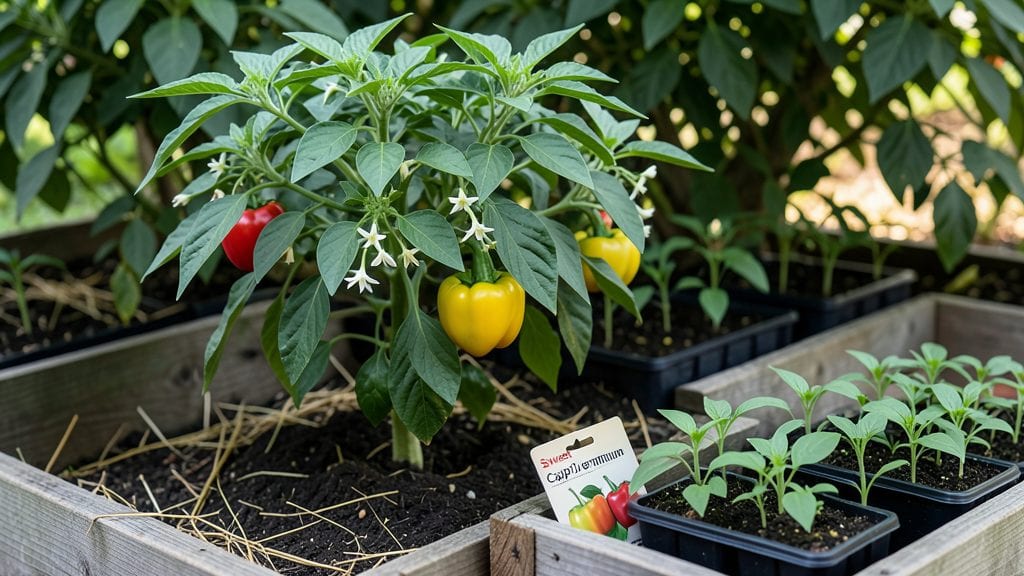
Starting sweet peppers from seeds gives you varieties you won’t find at the store—like sweet banana peppers or thick-walled bell types—that keep producing all season long. 🌱 I’ve grown dozens of plants from seed, and the key to success isn’t complicated: it’s timing, the right soil mix, and a little patience with germination.
Most beginners rush this step, but taking it slow means stronger plants that outperform store-bought seedlings.
The secret to year-round harvesting starts with choosing the right varieties—some like ‘Sweet Banana’ produce continuously, while others like ‘California Wonder’ focus on a single big crop. You’ll need a warm spot (70°F or above) for seeds to sprout, a seed-starting mix that drains well, and containers with drainage holes.
Plant seeds just ½ inch deep and keep them moist until sprouts appear in about 7–14 days.
Once your seedlings have two true leaves, they’re ready to move into larger pots or the garden. Sweet peppers crave full sun—at least 6–8 hours daily—and consistent moisture, but never soggy soil.
With proper care, a single plant can yield pounds of peppers over months, making it one of the most rewarding crops for small spaces.
Whether you’re growing in containers on a balcony or in-ground, the same principles apply. The biggest mistake is overcrowding—space plants 18–24 inches apart for good airflow. Here’s how to keep them thriving all season long.
📚 In This Guide
- What you need
- Instructions
- Tips and common mistakes
- Wrapping up and next steps
What you need
- ● Sweet Pepper Seeds: 5–10 seeds (choose heirloom or hybrid varieties like California Wonder or Sweet Banana for reliable results).
- ● Seed Starting Mix: 1–2 quarts of sterile, well-draining potting soil (avoid garden soil—it’s too dense!).
- ● Seed Trays or Biodegradable Pots: 2–4 small pots (2–3 inches deep) with drainage holes.
- ● Grow Lights or Sunny Windowsill: 12–16 hours of light daily (a basic LED grow light works if natural light is limited).
- ● Watering Can with a Fine Rose: 1 (to avoid disturbing seeds during watering).
- ● Fertilizer: Balanced liquid fertilizer (5-5-5 or 10-10-10) or organic options like fish emulsion.
- ● Trowel or Small Spade: 1 (for transplanting seedlings).
- ● Spray Bottle: 1 (for gentle misting of seeds).
- ○ Heat Mat (Optional but Helpful): 1 (keeps soil warm for faster germination, ~75–85°F).
- ● Pruning Shears: 1 (for harvesting and shaping plants).
- ● Garden Gloves: 1 pair (to protect hands from thorns or soil).
- ● Sunny Location: At least 6–8 hours of direct sunlight daily (or a grow light setup).
- ● Warmth: Sweet peppers thrive in temperatures between 70–85°F (use a greenhouse or indoor setup if outdoors is too cool).
- ● Patience: Germination takes 7–21 days—stay consistent with care!
- ● 🌡️ Soil Temperature Matters: Keep soil at 75–85°F for optimal germination (a heat mat helps!).
- ● ✨ Start Indoors Early: Begin seeds 8–10 weeks before the last frost date for outdoor planting.
- ● 💧 Water Wisely: Keep soil consistently moist but not soggy—overwatering drowns seeds!
Step-by-Step instructions for growing sweet peppers year-round
Here's how to coax continuous harvests from a single plant—no greenhouses needed.
🌱 Step 1: Start Seeds Indoors for Early Growth
Fill 4-inch biodegradable pots with the sterile seed-starting mix (never garden soil—it's too dense). Plant 2-3 seeds per pot at a depth of ¼ inch, then cover lightly with additional mix. Sweet peppers germinate best at 75-85°F, so place pots on a seedling heat mat or in a warm spot like on top of your fridge.
Mist the surface with a spray bottle until the mix feels evenly damp—not soggy. Cover pots with a clear plastic dome to retain warmth and moisture. Check daily but resist watering again until you see first sprouts (usually 7-14 days). The dome traps humidity, so you won’t need to water until half the seeds have sprouted—then remove the dome immediately to prevent damping-off.
☀️ Step 2: Provide Strong Light for Stocky Plants
Once seedlings emerge, move them to a south-facing window or under grow lights for 14-16 hours of light daily. Sweet peppers stretch toward light like sunflowers, so keep the grow light 2-4 inches above the plants and raise it weekly as they grow. You’ll know your light is working if seedlings develop thick stems and dark green leaves—not pale, leggy growth.
Rotate pots a quarter turn daily so plants grow straight. If you notice leaves touching the light fixture, raise it immediately. Without enough light, seedlings become weak and may never recover. After 4-6 weeks, when plants have 3-4 true leaves, they’re ready to transplant.
🪴 Step 3: Transplant to Larger Containers for Continuous Harvests
Fill 1-gallon pots with well-draining potting mix, leaving 1 inch of space at the top. Gently remove seedlings from their biodegradable pots and place them in the center of each gallon container. Fill gaps with additional mix, pressing lightly to eliminate air pockets. Water deeply until it drains from the bottom holes.
Sweet peppers thrive in containers because they hate soggy roots. Use pots with multiple drainage holes and a saucer to catch excess water. Place plants in a spot with 6-8 hours of sunlight daily—a balcony, patio, or sunny windowsill works. If indoors, supplement with grow lights to extend the growing season.
💧 Step 4: Water and Feed for Nonstop Production
Water when the top inch of soil feels dry, but avoid soggy conditions—peppers rot faster than they grow. I use a watering can with a narrow spout to direct moisture at the base, not the leaves. Fertilize every 2 weeks with balanced liquid fertilizer (10-10-10) to encourage steady growth. You’ll see new flowers and peppers within 6-8 weeks of transplanting.
Here’s the trick for year-round harvests: Prune strategically. Pinch off the top set of flowers when the plant is young to encourage bushier growth. Once established, let it fruit continuously—peppers will keep producing as long as you maintain consistent light, water, and warmth. Harvest when peppers reach 3-4 inches for peak sweetness.
✂️ Step 5: Extend the Season with Simple Care
To keep plants productive through cooler months, move them indoors near bright windows or under grow lights. Reduce watering slightly in winter—every 3-4 days instead of daily. If you notice yellow leaves, it’s a sign of overwatering or low light. Adjust accordingly, and your plant will keep yielding.
Deadhead spent flowers (remove them at the base) to redirect energy to new growth. With this method, I’ve had one pepper plant produce fruit for 10 months straight—just rotate it seasonally and keep it happy. The key? Never let it stress from drought, cold, or poor light.
Tips & tricks for perfect year-round sweet pepper growth
Here's what I learned after growing sweet peppers continuously for over a decade—these tricks make all the difference between a struggling plant and a prolific producer.
Heat Factor: That 75-85°F germination range is non-negotiable for sweet peppers. I've tried cooler spots and ended up with patchy germination. Place your seedling heat mat directly under the pots—this consistent warmth is what triggers those first sprouts in just 7-14 days. Pro tip: If your kitchen stays below 70°F, consider using a small greenhouse tray with a built-in heat source for even better results.
Light Strategy: The 14-16 hours of daily light in Step 2 is crucial for preventing leggy seedlings. I use a simple LED grow light on a timer to automate this—no need to remember to turn it on/off. Keep that light 2-4 inches above the plants and adjust weekly. Watch for those dark green leaves and thick stems as your success indicators. If you notice leaves stretching toward the light, it's time to raise the fixture immediately.
Transplanting Wisdom: When moving to 1-gallon pots in Step 3, be gentle with those roots—peppers hate being disturbed. The 1-inch space at the top isn't just for aesthetics; it prevents soil from spilling when you water. I've found that pressing the potting mix lightly around the roots (not too hard!) eliminates air pockets that can cause rot. And remember, those multiple drainage holes are your best friends—never skip them.
Pruning Secret: The strategic pruning mentioned in Step 4 is where the magic happens for year-round production. Pinch off that first flower cluster when your plant has 3-4 true leaves—this forces the plant to grow bushier and produce more fruit later. Once established, let those peppers grow until 3-4 inches for maximum sweetness. I've had plants keep producing for 10 months straight using this method, and it all starts with that initial pinch.
Pro Tips for Sweet Peppers Seeds
- Here's what I learned after growing sweet peppers continuously for over a decade—these tricks make all the difference between a struggling plant and a prolific producer.
- Heat Factor: That 75-85°F germination range is non-negotiable for sweet peppers.
- Light Strategy: The 14-16 hours of daily light in Step 2 is crucial for preventing leggy seedlings.
Frequently asked questions
Got questions about growing sweet peppers from seeds? You’re not alone! Here are some of the most common queries—and their answers—to help you grow a thriving harvest.
How long does it take for sweet pepper seeds to germinate?
Sweet pepper seeds typically germinate in 7–21 days, depending on temperature and moisture. Keep soil warm (70–85°F) and consistently damp—germination speeds up with a heat mat or sunny windowsill. Patience is key!
Can I plant sweet pepper seeds directly in the garden, or should I start indoors?
For most climates, start seeds indoors 8–10 weeks before the last frost (or use a greenhouse). Direct sowing works in warm regions (after soil reaches 60°F+) but risks slower growth and frost damage. Seedlings thrive with early head starts!
Why aren’t my sweet pepper seedlings growing tall?
Slow growth often stems from cool temps, poor light, or overcrowding. Ensure seedlings get 6+ hours of sunlight daily (or grow lights) and thin them to 12–18 inches apart. Leggy seedlings? They’re stretching for light—boost brightness immediately!
Can I save seeds from store-bought sweet peppers?
Most hybrid sweet peppers (like ‘California Wonder’) won’t produce true-to-type seeds. For reliable heirlooms, buy non-hybrid seeds (e.g., ‘Sweet Banana’ or ‘Apache’). Save seeds only from open-pollinated varieties—label them clearly for next year!
What’s the best way to store sweet pepper seeds for next year?
Dry seeds completely, then store them in a cool (35–40°F), dark, airtight container (like a sealed jar or envelope). Seeds stay viable for 1–3 years. Add a silica gel packet to prevent moisture—no fancy tech needed!
Wrapping up and next steps
Growing sweet peppers from seeds is a rewarding journey that brings vibrant flavors and nutrients to your table year-round! With the right variety, soil, and care, you can enjoy a continuous harvest of crisp, colorful peppers—whether you’re a beginner or a seasoned gardener.
The key lies in selecting disease-resistant seeds, providing consistent warmth, and staying patient as your plants thrive.
Ready to turn your green thumb into a pepper-growing powerhouse? Start small with a few seeds, experiment with varieties, and soon you’ll be savoring homegrown sweet peppers in salads, stir-fries, or fresh snacks. Happy planting! 🌱✨