
Vegetables
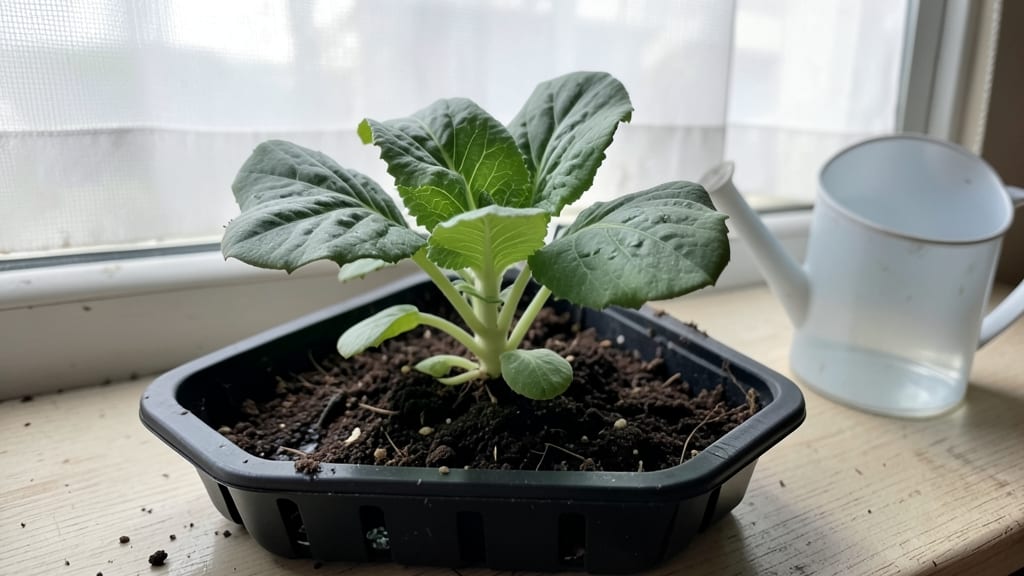
Mastering vegetable seedling identification by leaf shape and color saves you from pulling up the wrong plants—and the heartbreak of wasted effort. 🌱 I’ve pulled up more than a few "tomatoes" that turned out to be peppers, and trust me, those first few weeks are make-or-break for your garden’s success.
The key? Learning just three distinct leaf patterns—lobed, serrated, or smooth—and their colors can tell you everything you need to know before the first true leaves even appear.
Most beginners focus on cotyledons (those first tiny leaves), but it’s the second set—the "true leaves"—that reveal the real story. A tomato seedling’s leaves are deeply lobed like a jagged map, while peppers have smooth, oval leaves with a waxy sheen.
Brassicas (like kale or cabbage) grow in a rosette with smooth, slightly puckered edges, and their leaves often have a bluish tint when young. Grab a magnifying glass or a phone app like "PlantNet" to zoom in on those details—it’s the difference between a thriving garden and a mystery plot.
Once you master these visual cues, you’ll spot mistakes within days, not weeks. Imagine pulling weeds and realizing you’ve been tugging out your future heirloom tomatoes because their leaves looked "too pointy." You’ll also know exactly when to thin seedlings—because you’ll recognize every one of them.
The confidence comes fast, and so does that first harvest, knowing you didn’t accidentally kill your own plants along the way.
This works for any seed-starting setup, from sunny windowsills to grow lights, and it’s especially useful if you’re growing from seed packets with fuzzy photos. Start with just five common seedlings—tomatoes, peppers, lettuce, basil, and broccoli—and soon you’ll be identifying everything from carrots to cucumbers like a pro.
Let’s get those seedlings sorted before they outgrow their pots!
📚 In This Guide
- What you need
- Instructions
- Tips and common mistakes
- Wrapping up and next steps
What you need
- ● Seedling trays or pots: 2–4" deep, with drainage holes (10–20 units, depending on your garden scale).
- ● High-quality potting mix: 5–10 lbs, well-draining and sterile (avoid garden soil to prevent disease).
- ● Vegetable seedling reference guide: Printed or digital (e.g., Rodale’s Illustrated Encyclopedia of Vegetables or trusted online resources).
- ● Magnifying glass: 2x–4x magnification to inspect fine details like leaf veins or hairiness.
- ● Ruler or measuring tape: For tracking leaf size (inches are key for comparison!).
- ● Notebook or seedling log: To record observations (include date, leaf shape, color, and growth stage).
- ● Watering can or spray bottle: With a fine mist setting to avoid damaging delicate seedlings.
- ● Pruning shears: Small, sharp pair for gently trimming leaves if needed (sterilize with rubbing alcohol first!).
- ● Grow lights or sunny windowsill: 12–16 hours of light daily for consistent growth.
- ● Humidity dome or plastic wrap: To retain moisture during the early stages (remove once seedlings sprout).
- ● Seedling heat mat: For cooler climates (70–75°F keeps roots cozy!).
- ● Camera or smartphone: To snap photos of unique leaf patterns for later reference.
- ● Label markers & stakes: Waterproof labels to track varieties (especially if mixing seedlings!).
How to identify vegetable seedlings by leaf shape and color
Confused by tiny seedlings? Here's how I tell them apart—no guesswork.
🌱 Step 1: Observe Leaf Shape First
The most reliable way to ID seedlings is by their first true leaves—the ones after the initial seed leaves. Carrot seedlings have finely divided, fern-like leaves, while bean seedlings show two rounded leaflets that look like little mites. I always check these before anything else because shape is universal across varieties.
Tomato seedlings have oval leaves with a slightly pointed tip, while peppers show broader, more heart-shaped leaves. If you see a single smooth-edged leaf with parallel veins, it's likely a squash or melon seedling. Remember, these shapes stay consistent even as plants grow.
🌿 Step 2: Check Leaf Color and Texture
Healthy seedlings have vibrant colors, but some vegetables have signature hues. Basil seedlings show deep purple stems with bright green leaves, while parsley has finely textured leaves that look almost lacy. I've found that brassicas like broccoli and cabbage start with a slightly bluish-green tint that darkens as they mature.
Watch for hairiness too—lettuce seedlings often have fuzzy stems, while kale leaves appear slightly wrinkled even at the seedling stage. If leaves look pale or yellowish, the seedling needs more light or nutrients, not just a misidentification.
☀️ Step 3: Compare Stems and Growth Habits
Seedling stems reveal a lot. Corn seedlings have a single leaf that wraps around the stem (called a "coleoptile"), while onion seedlings show narrow, grass-like blades. I always check stem thickness—strong seedlings have sturdy stems, while weak ones feel soft and flimsy.
Look at growth patterns too. Vining plants like cucumbers show rapid vertical growth early, while bush varieties stay compact. If you see a seedling with a thick stem and large leaves compared to its size, it's probably a squash or pumpkin.
✂️ Step 4: Use a Quick Reference Chart
Here's my go-to method: I keep a small reference chart nearby with sketches of common seedlings. Draw or print a simple guide showing leaf shapes, colors, and stem types for your top 10 garden vegetables. I've made mine with photos from seed packets—just tape them to my workbench.
When in doubt, count the leaves. Most vegetables have predictable leaf patterns—tomatoes show 2-3 sets of true leaves before flowering, while peppers develop a single pair of opposite leaves first. This simple trick cuts confusion by half.
📝 Step 5: Verify with Seed Packet Info
Always cross-check with your seed packet details. The packet usually includes a tiny sketch or description of the seedling stage. I keep mine in a ziplock bag taped to the back of my seedling tray—no more digging through boxes when I need to confirm.
If you're still unsure, wait 2-3 days. Most seedlings develop more distinctive features as they grow. I've caught many misidentifications by simply watching them develop—what looked like a pepper seedling turned out to be a tomato when the second set of leaves appeared.
Tips & tricks for mastering vegetable seedling identification
Here's what I've learned after years of sorting through seedling trays—these tricks cut mistakes by half.
Leaf Shape is Your Best Friend: In Step 1, when you're comparing carrot's fern-like leaves to bean's rounded leaflets, remember this: the shape stays consistent as the plant grows. I've seen gardeners make mistakes because they focused only on color. Draw quick sketches of the shapes you see—they become your instant reference.
Color Clues Can Be Deceptive: Step 2 mentions basil's purple stems, but here's the thing: color fades fast in weak light. I always check under bright, natural light—or use a grow light—to see true hues. Pale leaves mean more light, not a different plant. And if you see yellowing, it's usually a nutrient issue, not a misidentification.
Stem Thickness Reveals Health: When you're examining stems in Step 3, pay attention to this: sturdy stems mean strong seedlings. I've had weak seedlings with perfect leaf shapes—don't let that fool you. Run your thumb along the stem: it should feel firm, not mushy. This tells you more about plant health than identification.
Growth Patterns Tell the Whole Story: The 2-3 days waiting period in Step 5 is golden. I've caught so many misidentifications by simply watching growth patterns. A cucumber seedling will shoot up vertically while a tomato stays bushy—this becomes obvious within days. Keep a small notebook by your seedlings and jot down daily observations.
Pro Tips for Vegetable Seedling Identification
- Here's what I've learned after years of sorting through seedling trays—these tricks cut mistakes by half.
- Leaf Shape is Your Best Friend: In Step 1, when you're comparing carrot's fern-like leaves to bean's rounded leaflets, remember this: the shape stays consistent as the plant grows.
- Color Clues Can Be Deceptive: Step 2 mentions basil's purple stems, but here's the thing: color fades fast in weak light.
Frequently asked questions
Got questions about identifying your veggie seedlings?
You’re not alone—even experienced gardeners need a quick refresher now and then! Here are the most common queries (and answers) to help you confidently spot those sprouts before they outgrow their tags.
How can I tell if my seedlings are healthy or diseased?
Healthy seedlings have vibrant, firm leaves with no yellowing, spots, or wilting. Look for strong stems and even growth. Diseased seedlings may show mold, holes, or stunted growth. If in doubt, check the soil moisture—overwatering often causes damping-off (a fungal infection). Isolate suspicious plants and treat with neem oil if needed.
When is the best time to transplant seedlings?
Transplant when seedlings have 2–4 true leaves (not just the initial seed leaves) and are about 2–3 inches tall. Wait until nighttime temps stay above 50°F (10°C) to avoid frost damage. Harden off seedlings first by gradually exposing them to outdoor conditions over 5–7 days. Pro tip: Transplant on a cloudy day to reduce stress!
What if my seedlings look like weeds?
Weeds often have irregular leaf shapes, hairy stems, or rapid, scraggly growth. Compare your seedlings to a seed packet guide or use a magnifying glass to check leaf veins and patterns. If unsure, pull one and compare roots—veggie seedlings usually have tapered, white roots, while weeds often have fibrous or invasive roots.
Can I identify seedlings by leaf color alone?
Leaf color helps, but shape and vein patterns are more reliable. For example, purple-tinged leaves might indicate stress (like cold or phosphorus deficiency), while yellowing could signal nitrogen deficiency or disease. Pair color clues with leaf structure: Broccoli has ruffled, dark green leaves, while tomato seedlings have serrated, lighter green leaves.
What do I do if my seedlings don’t match the seed packet?
Mistakes happen! If your seedlings look nothing like the packet, check for cross-pollination (common in squash or corn) or volunteer plants (like tomatoes or peppers sprouting from last year’s seeds). Dig up a few and compare to a seedling ID chart. If they’re truly misidentified, don’t panic—many veggies (like basil or kale) are hardy and edible!
Still stumped? Snap a photo and compare it to online forums or local gardening groups—they’re full of experts ready to help!
Wrapping up and next steps
Mastering vegetable seedling identification through leaf shape and color is your first step toward a thriving garden! 🌱 With the right knowledge, you’ll confidently distinguish between seedlings, avoid mix-ups, and nurture healthy plants.
Now that you’re equipped with this guide, it’s time to roll up your sleeves and get growing—start by labeling your seedlings or sharing your newfound skills with fellow gardeners!